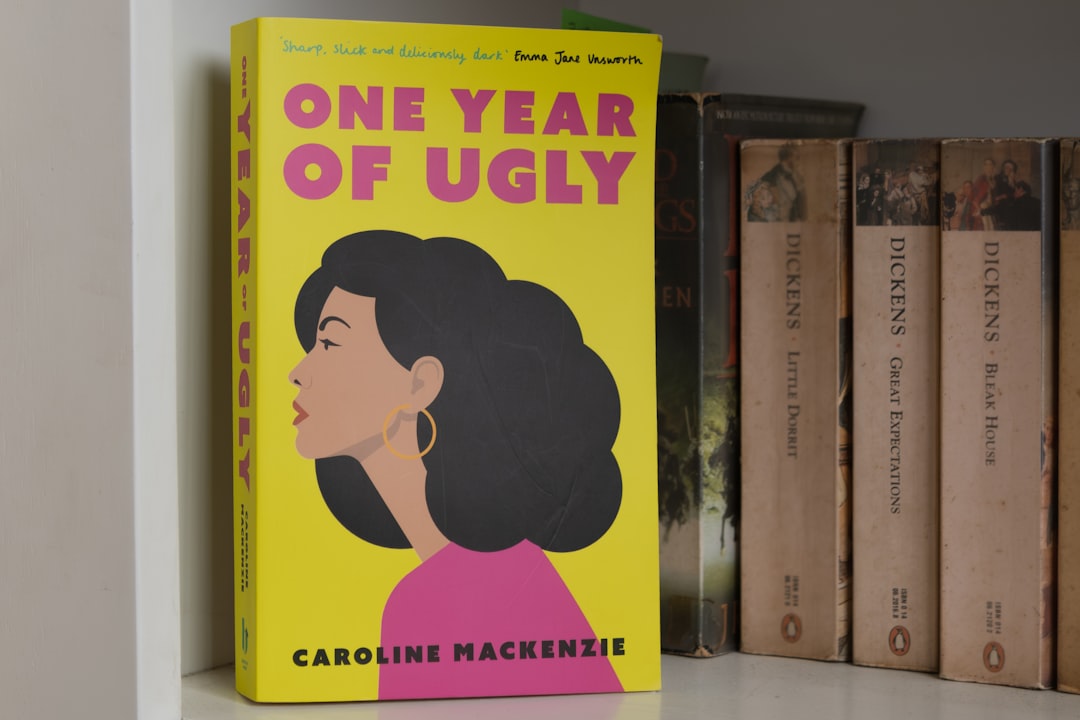
Sarah closed her laptop at 11 PM after finishing her third revenge novel that week. She'd been laid off two months ago—fired, really, though they used softer language—and she couldn't stop reading about protagonists who methodically dismantled the people who'd wronged them. By page 247, the CEO had lost everything. By the epilogue, vindication felt almost real.
She's not alone. The revenge fantasy genre has exploded over the past decade, becoming one of the most voraciously consumed subcategories in contemporary fiction. Publishers have noticed. Amazon's algorithms have noticed. Goodreads lists dedicated to "Brutal Revenge" and "Delicious Comeuppance" now feature hundreds of titles, many with rabidly devoted fanbases that dissect every calculated slight, every perfectly timed humiliation.
But what's really happening when we read these stories? Why do so many of us crave the fantasy of payback more intensely than we crave almost anything else in fiction?
The Economics of Getting Even
The numbers tell part of the story. In 2022, BookTok—TikTok's book recommendation community—catapulted Colleen Hoover's "It Ends with Us" back onto bestseller lists a full six years after publication. The novel isn't technically a revenge story, but its central fantasy is: a woman finally leaves her abusive husband. The book sold more copies in 2022 than it had in its entire first five years combined. That's the power of a revenge moment resonating with millions of readers simultaneously.
Then there are the dominance fantasies disguised as character development. Books like "The Seven Husbands of Evelyn Hugo" by Taylor Jenkins Reid (2017) or "Verity" by Colleen Hoover (2018) feature protagonists who manipulate, deceive, and ultimately emerge victorious against those who underestimated them. "Verity" sold over 5 million copies. Reid's novel has become something of a literary phenomenon, with readers obsessing over which version of events might be true—and whether Evelyn's calculated choices were justified.
The appeal is structural. These books offer something our real lives rarely do: narrative closure. In actual existence, people who wrong us sometimes face consequences. Often, they don't. They get promoted. They move away. They simply carry on, unbothered. But in fiction? The rules change. Every transgression is tracked. Every cruelty is catalogued. And nearly always, there's a final reckoning.
The Satisfaction Problem
Here's where it gets interesting. Revenge fantasies don't actually make us feel better in the long term. Psychologically, we know this. Research on rumination shows that dwelling on wrongs actually intensifies negative emotions and extends our suffering. But fiction offers something rumination doesn't: narrative satisfaction. The difference matters.
When a character you've followed for 400 pages finally orchestrates the downfall of someone who deserves it, there's a physiological release. Your cortisol drops. You feel the imaginary weight lift. It's cathartic in a way that real-world justice almost never is, partly because real-world justice is slow, uncertain, and often unsatisfying even when it arrives.
Consider how many revenge narratives center on exposure—the moment when the villain's crimes or hypocrisy are revealed publicly. In "The Woman in Cabin 10" by Ruth Ware, the protagonist must convince others she witnessed a murder. In "Gone Girl" by Gillian Flynn, the truth about Amy's elaborate revenge unfolds across interviews and unreliable perspectives. We're reading these books during an era when public exposure has become genuinely consequential in ways it wasn't before. Social media has made real-world revenge possible. We've all witnessed a viral post destroy someone's career. These books tap directly into that newly possible fantasy.
The Moral Complexity We Actually Want
The smartest revenge fiction doesn't pretend the protagonist is simply "good." The best-written revenge narratives understand that getting even requires becoming someone harder, colder, potentially crueler. The Unreliable Narrator Problem: When Your Favorite Character Is Lying to You explores this tension perfectly—we don't always know if we're rooting for a hero or a villain, and we don't always care which is which.
Books like "Mexican Gothic" by Silvia Moreno-Garcia or "The Silent Companions" by Laura Purcell feature protagonists who must navigate spaces where the traditional rules of morality are suspended by circumstance. They're not heroes. They're survivors who do what needs doing. That's the real draw of contemporary revenge fiction: the acknowledgment that getting your justice might require you to become someone you didn't expect to be.
This is also why the genre resonates so strongly with readers who feel systematically wronged. Women have long composed the primary audience for revenge fiction, for obvious reasons. In a world where actual justice is unreliable, where harassment goes unpunished, where fired workers rarely get recourse, the fantasy of a woman methodically, intelligently dismantling the system that wronged her feels not just satisfying but somehow necessary.
What We're Really Reading
The explosion of revenge fiction isn't really about morality, despite what some literary critics argue. It's about agency. It's about witnessing a character—usually someone without institutional power—seize control of their own narrative and their own fate. In a world where so many of us feel powerless, where algorithms decide what we see and corporations decide our worth and systems fail us in ways we can barely articulate, there's something intoxicating about watching someone else take what they deserve.
The book closes. The fantasy ends. We return to our real lives, where the person who hurt us probably never finds out how much damage they caused, and definitely doesn't pay for it. But for a few hours, we got to live in a world where that wasn't true. We got to believe in consequences. We got to watch justice served, cold and perfect and absolutely final.
Maybe that's all fiction has ever really been. Not an escape from our world, but a temporary restructuring of it—one where the rules work the way we wish they did.
Comments (0)
No comments yet. Be the first to share your thoughts!
Sign in to join the conversation.