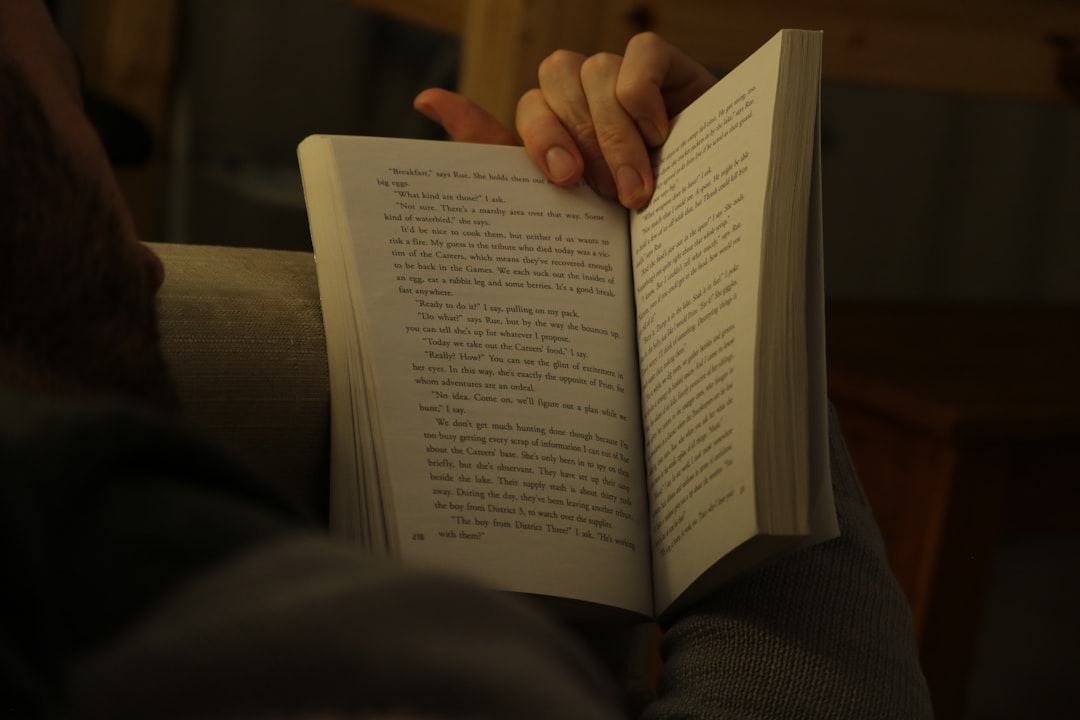
Photo by Alicia Christin Gerald on Unsplash
Death used to mean something in fiction. A character died, readers mourned, the story moved forward. Simple. Final. Absolute.
Not anymore.
Walk through any bookstore and you'll find shelves filled with stories where death is less a period and more a comma—a pause before the character inevitably returns. Stephen King brought back Carrie White through her mother's memories. Colleen Hoover resurrected emotional stakes by making readers question whether her characters truly died or survived. Even Marvel's publishing division has made death so negotiable that fans openly joke about waiting for the inevitable resurrection announcement before they finish grieving.
Something fundamental has shifted in how contemporary fiction treats mortality. And it's worth understanding why.
When Death Became Optional
The resurrection trope isn't new. Comic books perfected it decades ago. Superman died in 1992's "The Death of Superman" arc—one of DC's bestselling storylines—and was back within a year. Readers weren't shocked. They were waiting for it. Death became a marketing opportunity rather than a permanent consequence.
But literary fiction took longer to adopt this philosophy. For generations, if a protagonist died, that was the ending. Their story concluded. Other characters had to carry the narrative forward. Think of Hamlet, of Anna Karenina, of countless classics where death served as ultimate punctuation.
What changed? Partly, it's the influence of serialized storytelling bleeding into traditional novels. Authors now think in terms of universes, interconnected narratives, and character arcs that might extend across multiple books or even decades. Death feels wasteful when you've invested years developing a character's complexity.
There's also something else happening—something psychological. Readers today are less interested in accepting loss. We live in an age where information is retrievable, where nothing truly disappears from the internet, where permanent deletion feels almost impossible. Fiction mirrors this reality. Why should characters be erased when everything else persists?
The Psychology Behind Refusing to Let Go
Here's what fascinates me about this trend: readers actively participate in demanding resurrections. Fan communities don't just accept character deaths passively. They theorize about survival, create alternative endings, and write extensively about why the death "didn't count." Authors, attuned to this audience feedback, sometimes listen.
Take the phenomenon of "Schrödinger's death" in fiction—where a character dies off-page without explicit confirmation, leaving readers in quantum uncertainty. Is the character dead or alive? Both states exist simultaneously until the author clarifies. Some authors deliberately maintain this ambiguity for entire series, understanding that hope is more engaging than closure.
Psychologically, this makes sense. Grief in fiction is painful. Resurrection is hopeful. In an era where real-world anxieties run high—climate change, economic instability, political polarization—readers crave narratives that offer second chances. If your favorite character can return from death, maybe there's hope for other irreversible things too.
YA fiction capitalized on this first. Suzanne Collins brought Peeta back from the brink of death in "The Hunger Games." Rick Riordan resurrected Annabeth Chase repeatedly throughout his series. Young readers, still developing their understanding of mortality, responded powerfully to stories suggesting that death might not be final.
Adult fiction took longer to catch on, but it's here now. And interestingly, it's changing how authors structure emotional stakes. If readers know death isn't permanent, writers have to create different kinds of consequences. Losing a limb. Losing memories. Losing relationships. Losing identity. The story shifts from physical death to existential death—and somehow, that hits harder.
Resurrection as Narrative Redemption
Some authors use resurrection not as a cheap plot device but as genuine character evolution. A character dies and comes back changed—traumatized, altered, reborn psychologically. This isn't avoiding consequences. This is escalating them.
Consider what happens when you bring a character back: they've experienced something unknowable. They've been gone. Other characters had to exist without them. The world moved forward. Their return isn't a reset. It's an intrusion.
This creates narrative tension that straightforward death can't match. A murdered character stays neatly dead. A returned character must navigate a world that's moved on, relationships that have shifted, emotional landscapes that have been rearranged. The stakes, paradoxically, become higher.
The most sophisticated use of resurrection actually deepens character. When done well, it forces exploration of identity—is this character still who they were? Do they have the same memories? The same values? Unreliable narrators often emerge from this uncertainty, unable to trust their own recollections or perceptions after resurrection.
The Future of Fictional Mortality
So where does this trend lead? Probably toward a more nuanced approach. The genre fiction future might be populated entirely by characters who've died multiple times. Literary fiction will likely push back, maintaining death as final—partly out of tradition, partly as a sophisticated rejection of the resurrection trend itself.
What's clear is that authors now have choices their predecessors didn't. You can kill your character and leave them dead. You can kill them and bring them back. You can kill them and never mention what happened to them, leaving readers in permanent limbo. Each choice carries different emotional weight.
The resurrection business isn't thriving because authors are lazy or audiences are sentimental. It's thriving because modern fiction has learned that death, like most permanent things, is more complicated than it used to be. Characters return changed. Readers demand hope. Stories refuse easy endings.
Maybe that's not lazy storytelling. Maybe it's just honest ones.
Comments (0)
No comments yet. Be the first to share your thoughts!
Sign in to join the conversation.