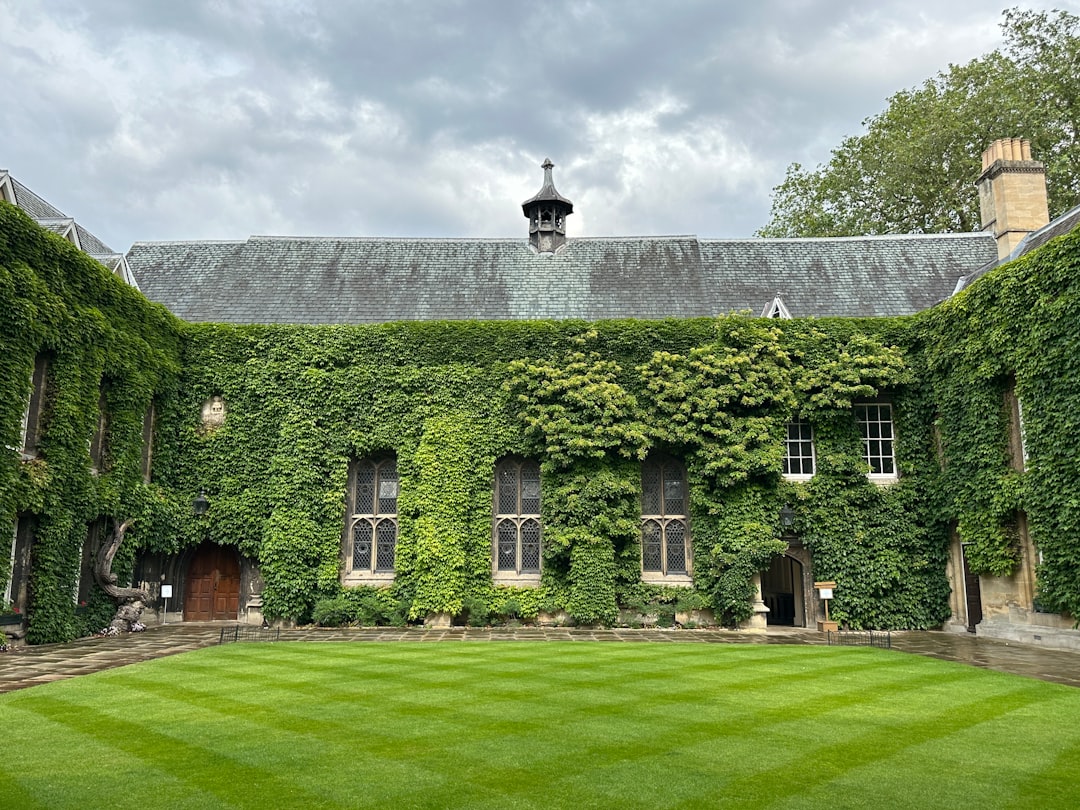
Photo by Andy Wang on Unsplash
The asteroid is coming. Scientists have known for months. There's nothing anyone can do about it, and in three weeks, everyone on Earth will be dead. Stephen King explored this premise in his 1978 novel The Stand, except his apocalypse arrived as a plague, creeping through the population like a ghost nobody could see until symptoms appeared. That's the thing about slow-burn disasters in fiction—they're far more terrifying than any sudden explosion or dramatic collision.
When I first picked up Cormac McCarthy's The Road, I expected a standard post-apocalyptic thriller. Instead, I found myself reading about a father and son trudging through gray ash under a dead sky, unsure what killed the world or when. The disaster had already happened. The real horror wasn't the event itself—it was the endless, monotonous survival afterward. McCarthy doesn't describe a meteor strike or nuclear war with dramatic flair. He simply shows us the aftermath: the cold, the hunger, the ash that falls like snow but brings no beauty.
The Psychological Weight of Waiting
There's a reason slow-burn apocalypses grip our minds more tightly than sudden ones. Sudden disasters allow for shock, adrenaline, action. Your fight-or-flight response kicks in. But slow-burn catastrophes? They demand something far worse: acceptance. They force characters—and readers—to watch hope corrode over time.
Margaret Atwood's Oryx and Crake trilogy doesn't show us a nuclear war or a meteor strike. Instead, she presents a world that collapses through bioengineering, corporate greed, and environmental collapse happening incrementally. The society doesn't fall in one dramatic moment; it crumbles across years. Waterfalls are dammed, forests are cleared, animals go extinct, the water becomes undrinkable. By the time the character realizes civilization is actually ending, it's already mostly gone. That's the insidious power of slow-burn fiction—by the time everyone understands the danger, adaptation becomes almost impossible.
Our brains are wired to fear sudden threats. A car swerving at you triggers immediate panic. But a car moving slowly into your lane? You barely notice until it's too late. This psychological quirk translates perfectly to fiction. Readers can cope with exciting disaster. They struggle with boring decline.
When Nothing Happens (And That's the Point)
Some of the most unsettling apocalyptic fiction contains scenes where absolutely nothing dramatic occurs. In Emily St. John Mandel's Station Eleven, she moves between the moment of pandemic and years afterward, often lingering on mundane moments. Someone scavenging for canned food in an abandoned grocery store. A traveling Shakespeare company performing in empty towns. The absence of action becomes the action.
This approach works because it mirrors real human experience with catastrophe. Most of us will never experience dramatic, cinematic disaster. If something truly catastrophic happened tomorrow, our actual experience would likely involve long periods of uncertainty, confusion, and waiting. We'd spend hours not knowing what was happening. Days wondering if things would improve. Months adapting to a new normal we never wanted.
Fast-paced action novels satisfy our appetite for excitement. But slow-burn apocalyptic fiction satisfies something deeper: it validates our quiet anxiety about genuine, creeping threats. Climate change isn't a meteor strike. Economic collapse rarely happens overnight. Pandemics spread invisibly for weeks before anyone notices the pattern. Fiction that captures this slow horror feels uncomfortably real because it mirrors how real-world disasters actually occur.
The Genre That Gets Worse Every Reread
Here's something remarkable about slow-burn apocalyptic fiction: it often becomes more disturbing the second time you read it. You know what's coming. You watch characters ignore warning signs. You see them make small compromises that lead to larger ones. There's a tragic inevitability to it.
Paolo Bacigalupi's The Windup Girl takes place in a future where oil is gone, genetic engineering controls food, and coastal cities are drowning. The disaster isn't a sudden event—it's the logical conclusion of decisions made decades earlier. Every character is simply trying to survive within a system that's already broken. On second reading, you notice all the moments where intervention might have mattered. You see how each character's reasonable choices collectively doom everyone.
This quality makes slow-burn fiction more emotionally exhausting than action-packed alternatives. There's no climactic battle where heroes triumph. There's no moment where you feel cathartic relief. Instead, there's just the slow realization that this world was doomed from the beginning, and we were watching the inevitable conclusion play out frame by frame.
Why We Need This Kind of Terror
Some readers find slow-burn apocalyptic fiction tedious. They want plot momentum, character arcs that move briskly, resolution that comes decisively. Those readers should absolutely read what appeals to them. But for those who find slow-burn disaster fiction compelling, there's something important happening: we're rehearsing how to think about real catastrophe.
Fiction has always served this function. We use stories to mentally prepare for futures we hope won't arrive. Slow-burn apocalyptic fiction is particularly useful because it teaches us that catastrophe isn't always a binary event where something switches from fine to terrible in an instant. Most real disasters are gradual. Most real suffering involves long periods of adaptation, loss, and persistence. The Unreliable Narrator's Gift: How Lying Characters Tell the Deepest Truths explores another form of psychological complexity in fiction, but slow-burn apocalypse works differently—it asks not what characters lie about, but what reality they can't bring themselves to fully acknowledge.
The best slow-burn apocalyptic fiction doesn't tell us that the world will end. It tells us something more unsettling: that the world can end quietly, incrementally, while people continue making breakfast and arguing about dinner. That might be the closest fiction gets to truth.
Comments (0)
No comments yet. Be the first to share your thoughts!
Sign in to join the conversation.