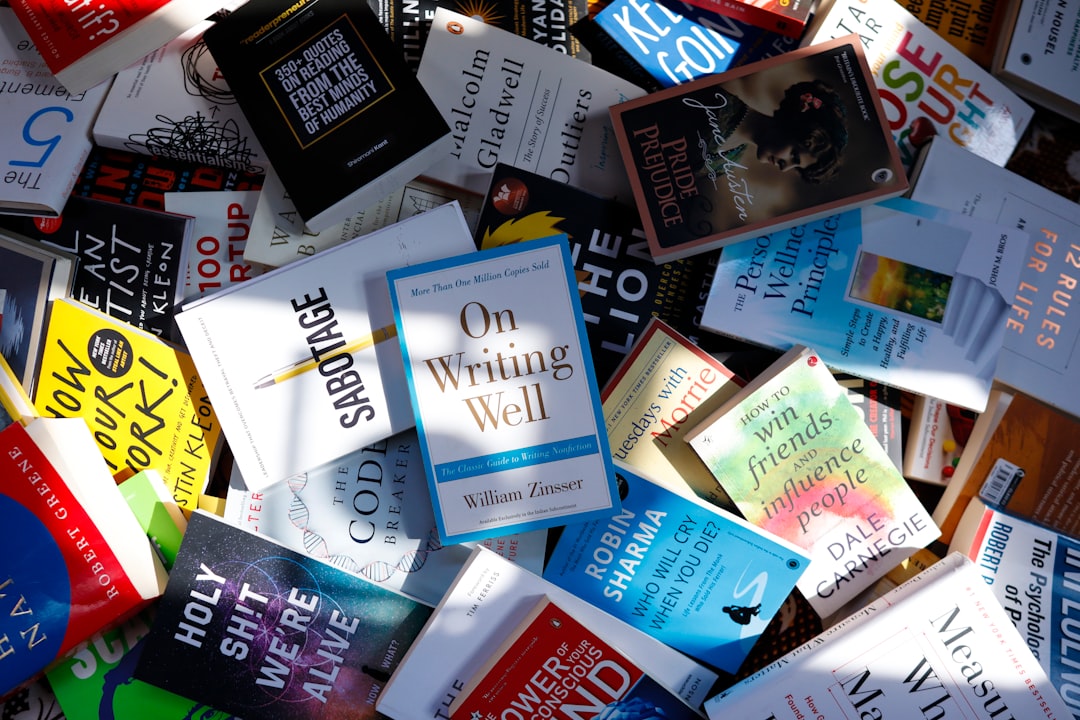
Photo by Shiromani Kant on Unsplash
There's a particular magic that happens when a character is so flawed, so genuinely messed up, that you shouldn't want them to succeed. Yet you do. You desperately do. You stay up until 3 AM reading about their terrible decisions, their self-sabotage, their inability to get out of their own way. This is the paradox of the broken protagonist—and it's one of fiction's most powerful tools.
Most writing advice tells you to give your characters "likability." Make them relatable. Sympathetic. Someone readers can cheer for. But the most memorable characters in modern fiction often violate this rule spectacularly. Think about Holden Caulfield, calling everyone a phony while being unable to connect with a single human being. Or Walter White, whose descent into darkness is so complete that we watch him become someone we'd genuinely fear in real life. These characters shouldn't work. They do anyway.
The Difference Between Flawed and Broken
Let's be precise here, because there's a meaningful distinction. A flawed character has weaknesses that create interesting conflicts. They're impatient, or prideful, or afraid of commitment. These flaws shape their story and often teach them something by the end.
A broken character is different. They're damaged in ways that don't have easy fixes. Their internal wiring is crossed. They can't trust people because trust was weaponized against them. They sabotage relationships because they believe they don't deserve happiness. They lie reflexively, steal compulsively, or hurt people they claim to love. When a truly broken character grows, it doesn't happen because they learn a lesson in Chapter 12. It happens through small, painful moments of recognition. Sometimes it doesn't happen at all—and that's okay.
Consider the protagonist of Sally Rooney's "Normal People." Marianne and Connell are broken in specific ways shaped by class, trauma, and their particular family dynamics. They hurt each other. Repeatedly. Not because of dramatic plot twists, but because they genuinely don't know how to function in an intimate relationship. Yet readers connect with them profoundly because their dysfunction feels authentic. It has the texture of real human damage.
Why Broken Characters Feel More Real Than "Good" Ones
Here's what I've noticed: when I read about a character who's just a bit flawed—impatient, stubborn, but ultimately good-hearted—I often feel like I'm being sold something. The character feels constructed. Designed to be sympathetic. They're a product, not a person.
But when a character is genuinely broken? When they're selfish in ways that feel inevitable given their history? When they hurt people and don't feel particularly bad about it, or worse, feel devastating remorse that doesn't actually stop them from doing it again? That's when the mask comes off. That's when fiction becomes as unsettling and compelling as real life.
We recognize ourselves in broken characters because we are, all of us, somewhat broken. We've all hurt people. We've all made decisions we regret. We've all lied or been cruel or chosen the thing we wanted over the thing we should have wanted. Perfect characters distance us from the story because they're so far from our actual experience. Broken characters pull us in because they feel like looking in a mirror.
Flannery O'Connor understood this. Almost all her protagonists are broken in ways that make you uncomfortable. They're racist, self-righteous, or violently unstable. And yet her stories have a spiritual weight that gentler fiction rarely achieves. The brokenness isn't incidental—it's the point. It's what the story examines.
The Technical Challenge: Broken Without Being Unreadable
Here's where many writers stumble. Creating a broken character is easier than you'd think. Just make them terrible. But creating one that readers actually want to follow through 300 pages? That requires skill.
The key is interiority. You have to let the reader inside the broken character's head enough to understand how they got this way, even if you don't excuse it. When we understand that Humbert Humbert's pathology is connected to his own early loss, it doesn't make what he does acceptable. But it makes him a fully realized person rather than a caricature of evil.
You also need moments of grace, however small. Not redemption—broken characters don't need to be redeemed by the end. But glimpses of something else beneath the damage. A moment where they're kind for no strategic reason. A memory that shows who they might have been. These moments make the broken character three-dimensional.
Additionally, there's the question of plot structure. If your broken character doesn't grow at all and just spirals endlessly, you've lost your reader's investment. But if they grow too much, too quickly, they're no longer broken—they're rehabilitated. The trick is managing incremental change. Real change. The kind that's painfully slow and never feels complete. If you're struggling with maintaining reader interest through a character's transformation, understanding how to avoid the second-act slump is essential, especially when your protagonist isn't obviously "winning."
The Reader's Relationship With Brokenness
Why do we keep reading about characters we wouldn't want to befriend? Partly because fiction allows us to explore parts of human nature we'd never encounter safely in real life. We get to understand someone from the inside without having to suffer the consequences of knowing them.
Partly too, I think, because broken characters give us permission. They show us that you don't have to be good to be worthy of attention. You don't have to be likable to be interesting. You don't have to be redeemed to matter. In a culture that often demands we perform constant improvement and positivity, broken characters feel subversive. They're allowed to be wrong. To be angry. To want things that are bad for them.
There's also genuine compassion at play. Readers of broken characters often feel a kind of protective tenderness toward them. They want the character to suffer less, even as they watch them create their own suffering. That tension between inevitability and hope is what keeps pages turning.
The Future of Broken Characters in Fiction
As mental health becomes more openly discussed in culture, I suspect we'll see even more complex broken characters in fiction. Not broken in ways that are romantic or aestheticized—we're past that—but broken in realistic, ordinary ways. Characters with anxiety disorders, trauma responses, attachment issues. Characters whose brokenness isn't dramatic; it's just how they're wired.
The best fiction doesn't ask you to like its characters. It asks you to understand them. To see their particular damage and recognize something of yourself in it. That recognition—that's where the real power lives. That's why broken characters haunt us long after we've finished the book. They're not solving a puzzle. They're holding up a mirror we didn't know we needed.
Comments (0)
No comments yet. Be the first to share your thoughts!
Sign in to join the conversation.