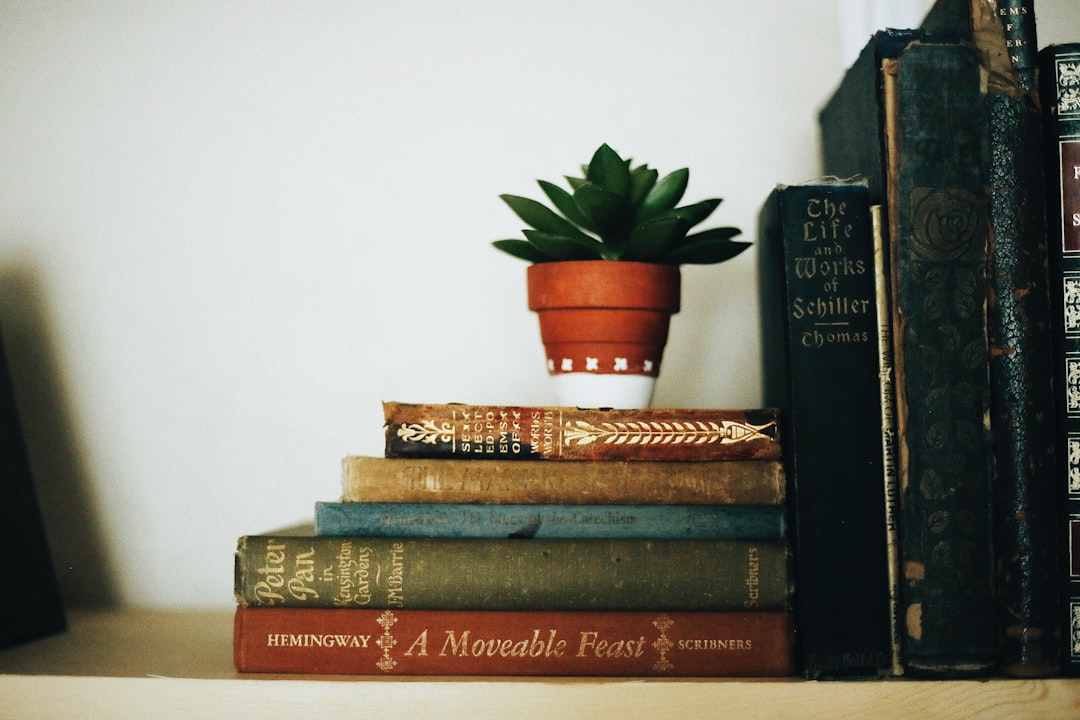
Photo by Fallon Michael on Unsplash
There's something about finding a letter that stops time. Not the digital kind—anyone can screenshot a text message. I mean the real thing. Folded paper. Ink that faded decades ago. Handwriting that trembles slightly on the third page because the writer's hand got tired, or maybe nervous, or maybe both.
This is why epistolary fiction refuses to die, despite having been around since the 1700s. Samuel Richardson basically invented the psychological novel by doing nothing but stringing together letters in Pamela, and somehow, centuries later, we're still captivated by the form. Authors aren't using epistolary structure because they've run out of narrative ideas. They're using it because letters do something no other writing style can quite manage: they collapse the distance between reader and character to almost nothing.
The Intimacy Problem That Letters Solve
Third-person narration keeps readers at a certain remove. Even the most vivid descriptions create a thin pane of glass between you and the character. But a letter? A letter is someone talking directly to you—or to someone they trust enough to put their real thoughts on paper. That's a different animal entirely.
When you read a letter in fiction, you're not being told about a character's emotional state. You're watching them reveal it, word by word, sometimes without meaning to. The gaps between what they say and what they actually mean become the story itself. This is partly why The Guernsey Literary and Potato Peel Pie Society worked so well despite being told almost entirely through correspondence—readers felt like they were excavating the truth about these people rather than being handed it.
Consider how differently we experience a character's breakdown when it arrives as a three-page letter compared to a scene where we watch it happen. The letter version asks us to read through the panic, to piece together what's happening from incomplete sentences and crossed-out words. It's work. It's also absolutely gripping in a way that's hard to replicate otherwise.
When Letters Became Weapons
Some of the most devastating epistolary novels use letters as instruments of power and deception. In Dracula, Bram Stoker uses diary entries, newspaper clippings, and letters to create this mounting sense of dread through fragmented perspectives. No single character can see the whole picture, but the reader can. We become the only one who understands the horror. That's genius.
More recently, consider Emma Cline's The Girls, which uses letters and documents to slowly reveal the truth about a woman's obsession with a cult in the 1960s. The letter format here isn't nostalgic or romantic—it's sinister. We're reading someone's confession, watching them rationalize terrible choices, and the intimacy of the letter-form makes their moral collapse feel uncomfortably immediate.
This is what separates great epistolary fiction from gimmicky versions: the format has to serve the story. When it does, readers don't even think about the unusual structure. They're too busy feeling like they've been handed someone's actual secrets.
Digital Letters and Modern Complications
The format hasn't stayed frozen in the 19th century, obviously. Contemporary writers are experimenting wildly with what counts as an epistolary narrative. Text messages, emails, Instagram captions, Slack conversations—these are all letters, technically. They're just typed instead of handwritten.
What's interesting is how much the medium still matters. A text message has a different rhythm than an email, which has a different rhythm than a handwritten note. Authors who understand this can manipulate reader expectations beautifully. When you see a character using formal, careful language in a text message, it reads as unsettling. Restraint in an unrestrained medium becomes suspicious.
Some writers have pushed this further. There are epistolary novels told entirely through social media, through voice memos, through dating app messages. The bones of the form—one character revealing themselves to another through written communication—stays constant. Everything else gets reinvented.
Why This Matters Right Now
We live in a world of constant, fragmented communication. We're drowning in text. So maybe it makes sense that epistolary fiction is experiencing a genuine renaissance. It's not because the form is retro or charming, though it can be both. It's because letters—in whatever form they take—feel like the only honest way to capture how people actually reveal themselves.
We don't talk to each other the way novels traditionally describe conversation. We text weird fragments. We leave voice memos at 2 AM. We send long emails that are part confession, part rambling. Letters, old and new, are where we're unguarded. That's why fiction writers keep returning to them.
If you're interested in how narrative form itself can become a tool for unreliability and deception, you might also enjoy reading about The Unreliable Narrator's Cruel Trick: Why Readers Keep Getting Played and Loving Every Second—letters can be the perfect vehicle for an untrustworthy voice, after all.
Comments (0)
No comments yet. Be the first to share your thoughts!
Sign in to join the conversation.