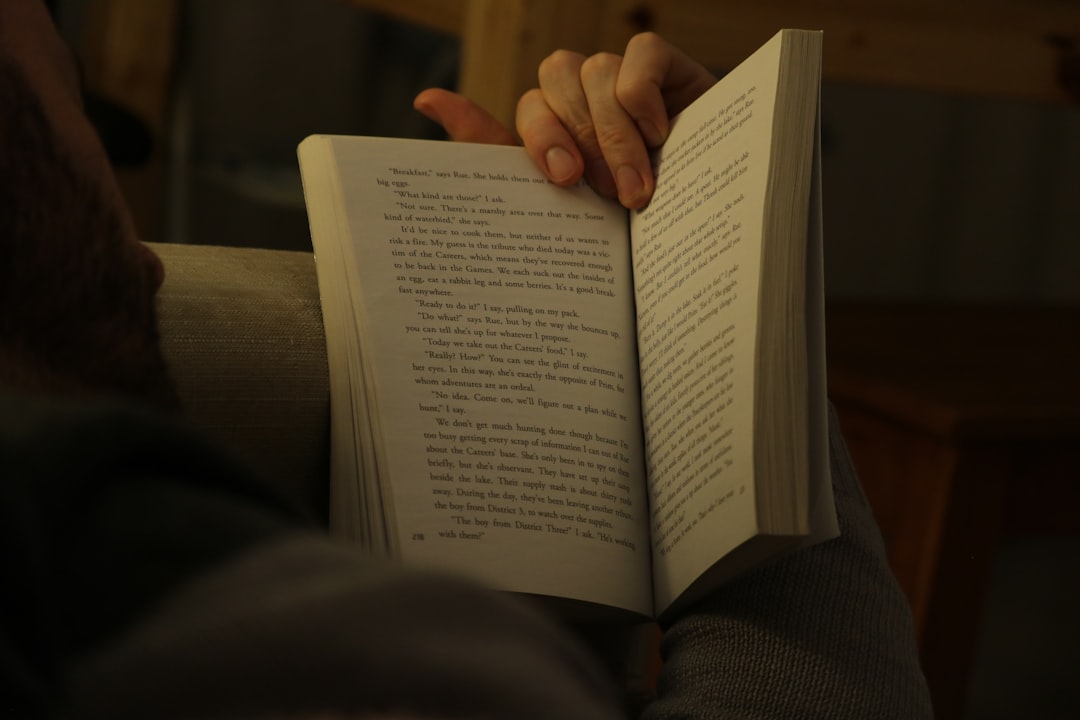
Photo by Alicia Christin Gerald on Unsplash
We've all been there. You're reading a mystery novel, and by page 47, you've already figured out who the killer is. The "shocking" revelation on page 312 lands with all the impact of a wet tissue hitting glass. You close the book feeling cheated, like the author spent 400 pages setting up a punchline you heard coming from three chapters away.
The plot twist isn't dead, but it's definitely on life support. And honestly? That's partly our fault as readers.
Why Twists Feel Predictable in 2024
The problem isn't that writers have stopped trying. It's that we've collectively memorized every move in the playbook. We've binge-watched enough crime dramas to spot a red herring at fifty paces. We know the mentor is secretly the villain. We understand that if a character's backstory is mentioned twice, it's definitely coming back. We've seen the unreliable narrator twist so many times that we automatically question everything a character says, which kind of defeats the purpose.
Sarah Wilson, author of the acclaimed thriller "The Hollow Hours," puts it bluntly in an interview: "Readers come to my books with PhDs in plot mechanics. They've seen everything. So what do you do?" Her answer? She stopped trying to outsmart readers and started trying to understand them instead.
The statistical reality backs this up. A 2023 survey of 2,000 fiction readers found that 73% could predict major plot twists before they occurred in mystery and thriller novels. The data doesn't lie—we've become prediction machines, trained by countless stories to spot the patterns.
The Difference Between Surprise and Inevitability
Here's what separates a plot twist that lands from one that crashes and burns: inevitability. And this might sound counterintuitive, but hear me out.
A truly effective twist doesn't shock you because it blindsides you. It shocks you because, when it happens, you suddenly realize it was always the only logical conclusion. You go back and reread certain scenes with fresh eyes, and everything clicks. The pieces were there all along—you just didn't see how they fit together. That's the twist that sticks with you for weeks.
Compare this to the cheap shock: the revelation that comes from nowhere, that requires the author to hide information from the reader unfairly. "Oh, by the way, the protagonist was actually the antagonist all along, and I never mentioned it because I wanted to surprise you!" That's not a twist. That's cheating.
Brandon Sanderson, who has built a career on complex, satisfying plot structures, frequently emphasizes this distinction. His twists work because they're rooted in character logic and thematic consistency. When you find out the truth, you realize the character had no other choice. The twist becomes inevitable in hindsight, which paradoxically makes it more surprising in the moment.
Modern Masters of the Craft
Some contemporary writers are cracking the code on how to surprise readers who think they can't be surprised. They're doing it by embracing a counterintuitive approach: making the twist obvious, then making it deeper.
Take Tana French's "Faithful Place." If you're paying attention, you figure out the central mystery relatively early. But the real twist isn't about what happened—it's about why it happened and what it means about the characters you thought you knew. The revelation unlocks new dimensions to everything you've already read.
Or consider N.K. Jemisin's work in "The City We Became." She doesn't hide the magical nature of her world. Instead, she keeps twisting the nature of the threat, the source of the conflict, and the characters' understanding of themselves. Multiple surprises stack on top of each other, each one informing and recontextualizing the ones before.
These writers understand something crucial: readers don't actually want to be fooled. They want to be understood. They want to feel like the author respects their intelligence while still managing to surprise them anyway. That's exponentially harder than just hiding information, which is probably why fewer writers are even attempting it.
The Reader's Role in the Twist
Here's something writers rarely discuss: the reader's expectations are part of the equation. When you pick up a cozy mystery, you expect a certain type of reveal. When you open a psychological thriller, you're primed for something darker.
Clever writers use these expectations against you. They give you the story you thought you wanted, but they make you question whether that's really what you wanted all along. That's where the real twist lives—not in plot mechanics, but in belief.
And sometimes—just sometimes—the biggest twist is that there is no twist. That the straightforward reading was the correct one all along, and your paranoia about hidden layers was the real story being told about how we consume fiction now. Understanding how unreliable narrators manipulate reader expectations is essential to grasping how modern twists actually work.
Why This Matters
The plot twist isn't disappearing because readers are too smart. It's evolving because writers are finally taking readers seriously. The best twists in contemporary fiction respect the reader's intelligence while still managing to surprise the mind that thinks it's seen everything.
The next time you read a book with a twist that genuinely gets you, pay attention to what made it work. Chances are good it wasn't about information you didn't have. It was about understanding you didn't possess—not until the author handed you the missing piece, and suddenly the entire story reorganized itself in your mind.
That moment? That's worth the wait.
Comments (0)
No comments yet. Be the first to share your thoughts!
Sign in to join the conversation.