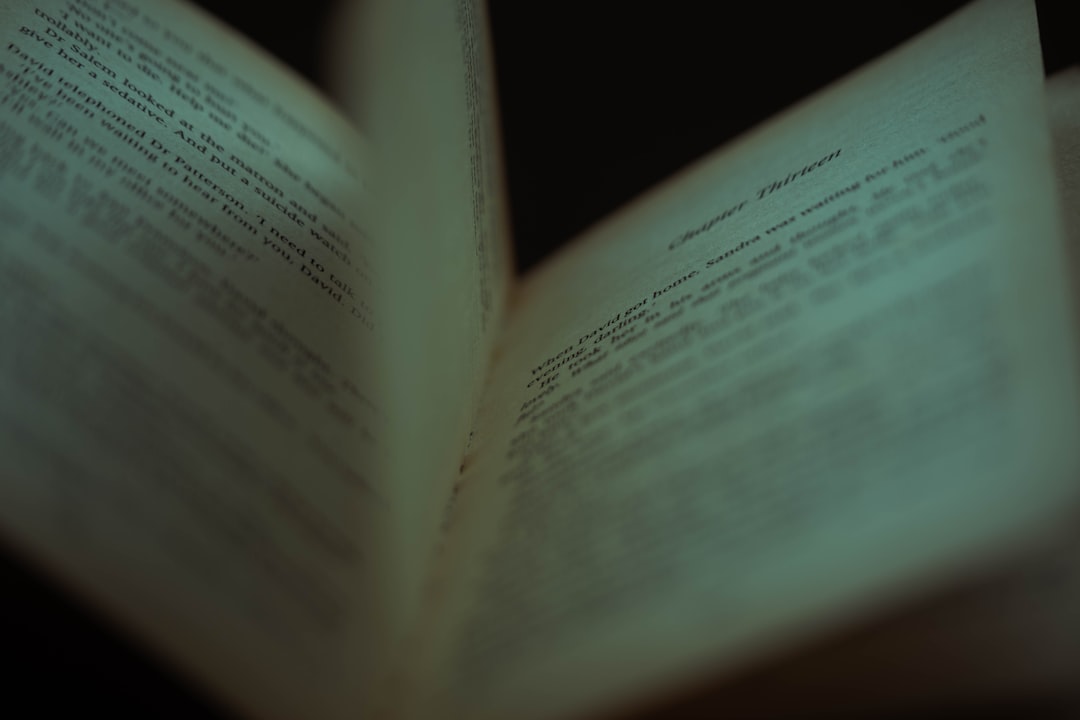
Photo by godwin leones on Unsplash
There's something almost sacred about finding a letter. Not an email notification—an actual letter, folded and sealed, addressed to you in someone's handwriting. Maybe it's nostalgia, maybe it's the rarity of it now, but letters feel like they contain truth. When a character reads a letter in a novel, we believe what it says in a way we might not believe if the author simply told us about it. That's the magic of epistolary fiction, and honestly, it's been criminally underused for the past two decades.
The Epistolary Novel Explained: More Than Just Pretty Format
An epistolary novel tells its story through letters, diary entries, postcards, emails, or some combination of written correspondence. It's not a gimmick. When done well, it's the most intimate narrative voice available to a writer. You're not getting someone's filtered recollection of events—you're getting their immediate, unedited thoughts captured in real time.
Think about Jane Austen's "Pride and Prejudice." Yes, we get lengthy narrative passages, but the letters are where the real drama happens. When Mr. Darcy writes to Elizabeth after his first proposal, that letter does more work than twenty pages of explanation ever could. We see his hurt, his pride, his genuine feelings when he's forced to confront her accusations. The letter format doesn't just convey information; it creates vulnerability. Writers with something to hide can't hide it the same way when they're writing directly to the person who hurt them.
The format also creates a unique pacing problem that forces authors to be more deliberate. You can't have a character ramble for fifteen pages in a letter the way you might in third-person narration. Real letters have natural stopping points. They end. Someone has to seal them. That constraint breeds efficiency.
Why Letters Feel More True Than They Should
Here's the psychological trick epistolary fiction plays on us: letters bypass our skepticism. We've all written emails we didn't send, journal entries we'd die before anyone read, text messages we regretted the second we hit send. We know that written words reveal things that spoken words conceal. When a character's motivations appear in their own handwriting, we trust them at a level that feels almost irrational.
David Mitchell's novel "Cloud Atlas" uses this principle across different formats—a handwritten diary in the 19th century carries more weight than the futuristic corporate memo, even though both are equally fictional. The form itself creates authenticity. A character writing a letter to their lover can't perform the way they might in person or in dialogue. There's no inflection to hide behind, no facial expression to deceive. Just words on a page.
This is why horror novels sometimes use the epistolary format so effectively. "Dracula" by Bram Stoker is a masterclass in creating dread through letters, diary entries, and newspaper clippings. The fragmented format mirrors the fragmented understanding the characters have of what's happening to them. We know something is wrong before they do, and watching them piece it together through their own written words is terrifying.
The Modern Resurrection: Why Now?
The epistolary novel fell out of fashion for roughly sixty years. Too artificial, critics said. Not cinematic enough. Too slow. Too difficult to make feel natural in modern times. But that last objection is laughable now. We live in a world where people write constantly—emails, texts, Twitter posts, Reddit comments, voice notes. The written word is everywhere, and the gap between literary epistolary and our actual daily communication has never been smaller.
Recent novels like "Detransition, Baby" by Torrey Peters and "The Seven Husbands of Evelyn Hugo" by Taylor Jenkins Reid prove readers are hungry for these formats. In Peters' novel, text messages and brief scenes mix with longer narrative sections, creating a rhythm that feels absolutely contemporary. In Jenkins Reid's book, a woman recounting her life story through conversation isn't technically epistolary, but it captures that same confessional intimacy—we're getting information filtered through voice and intention.
The return of epistolary fiction also reflects something deeper about our relationship with truth. We've entered an age where narrative is constantly questioned. Who's telling the story? What's their bias? When you read a character's actual words—even in fiction—it feels like a shortcut past all that uncertainty. A letter is its own kind of evidence. This is why unreliable narrators work so powerfully in epistolary novels—when a character lies in their own handwriting, we feel personally deceived.
The Technical Challenge: Making Letters Sing
Not every author can pull off epistolary fiction. It requires a specific skill set. You need to make the letters feel necessary—not like information delivery, but like genuine communication. A bad epistolary novel reads like an instruction manual from a character to the reader. A good one reads like overhearing something we're not supposed to.
The best epistolary authors vary their formats constantly. A short, desperate note doesn't look the same as a carefully composed formal letter. Someone texting looks different from someone writing in a journal. These variations create voice and subtext. When a character suddenly switches from casual to formal, something has changed emotionally. The formatting itself becomes part of the story.
Length matters too. A 500-word letter in the middle of a novel better be saying something that absolutely couldn't be said another way. Otherwise, you've just written a slow scene disguised as a more authentic one.
Why You Should Care
Epistolary fiction is making a comeback because it does something nothing else can: it creates immediate intimacy between reader and character. No narrative filters, no distance. Just someone's unguarded words meant for another person, and we're reading over their shoulder.
If you haven't read an epistolary novel recently, find one. You might be surprised how alive the form feels. The letter isn't dead. It just needed the right moment to return.
Comments (0)
No comments yet. Be the first to share your thoughts!
Sign in to join the conversation.