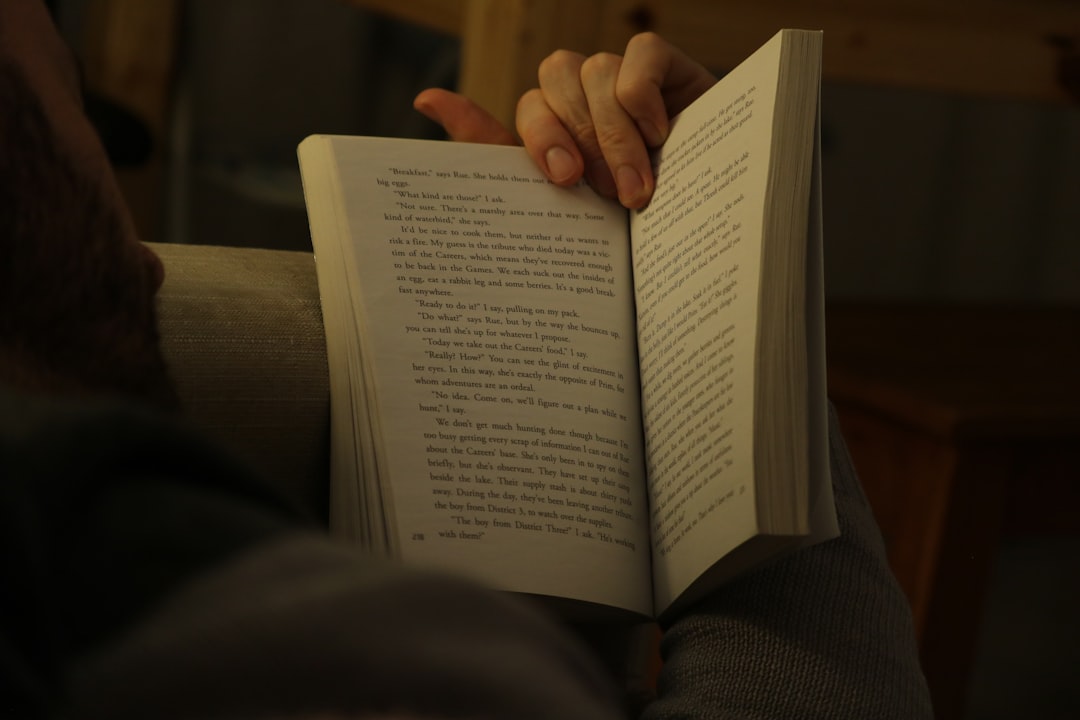
Photo by Alicia Christin Gerald on Unsplash
Agatha Christie died in 1976, yet her Miss Marple novels outsell contemporary thrillers by staggering margins. In 2023 alone, cozy mystery sales increased by 34% according to Publishers Weekly, with independent authors flooding Amazon with tens of thousands of new releases featuring amateur sleuths, small towns, and crimes that somehow involve both a gardening club and a crucial clue found in a soufflé. This isn't a niche phenomenon anymore. It's a genuine cultural shift in how we consume fiction.
What makes this particularly fascinating is the demographic breakdown. Unlike the assumption that cozies appeal exclusively to retirees, the fastest-growing audience segment is women aged 18-35. They're buying these books in bulk, talking about them obsessively on BookTok, and creating fan art that rivals the production value of professional marketing campaigns. Something about a protagonist who solves murders while managing a bookstore cat or running a bed-and-breakfast speaks to modern anxieties in ways that serial killer procedurals simply don't.
The Comfort Food Economics of Crime
Let's be honest: the world feels fractured right now. Economic anxiety, social division, climate dread—these are the background noise of contemporary life. When you pick up a cozy mystery, you're entering a world where problems have solutions. Murders get solved. Justice gets served. Order gets restored. The protagonist—usually a relatable, ordinary person—succeeds through intelligence, persistence, and community support rather than violence or moral compromise.
Compare this to the psychological thriller boom of the 2010s. Gone Girl, The Woman in the Window, We Need to Talk About Kevin—these books thrived on ambiguity, betrayal, and the revelation that nobody can be trusted. They reflected post-2008 financial crisis cynicism perfectly. But people tired of that worldview. There's only so long you can live in a narrative universe where everyone lies and morality is conditional before you crave something different.
Cozy mysteries offer escapism with structure. Death occurs—the stakes are real—but the resolution follows recognizable rules. The amateur detective gathers clues, interviews suspects, experiences a moment of insight, and reveals the culprit. Readers know what they're getting. There's something deeply soothing about that predictability in an era of algorithmic chaos and algorithmic news feeds that serve you rage for engagement.
The Subgenre Explosion Nobody Saw Coming
The cozy mystery market has become almost absurdly specialized. You've got paranormal cozies (witches investigating crimes), culinary cozies (chefs uncovering murderers), paranormal-culinary hybrid cozies (witch chefs solving supernatural crimes through baking). There are cozies featuring craft brewers, lighthouse keepers, funeral home directors, and one genuinely wonderful series centered around a woman who solves murders while working as a professional cat sitter.
This explosion happened because the genre has extremely low gatekeeping barriers. Unlike literary fiction or prestige thriller writing, cozy mysteries embrace genre conventions rather than fighting them. New authors can find their audience, build a following, and establish sustainable income without needing traditional publishing validation. The top-selling independent authors in the cozy mystery space earn six figures annually. That success breeds more writers, more competition, and constant innovation in finding new professions, hobbies, and settings for amateur sleuthing.
Publishers noticed the financial viability too. Major houses now maintain extensive cozy mystery imprints. Penguin Random House publishes approximately 300+ new cozy mysteries annually. The genre went from being quietly successful to being an undeniable profit center, which means better editing, better cover design, and better marketing for serious contenders.
Character Development as Core Plot
What separates genuinely excellent cozy mysteries from forgettable ones is character. The murder investigation functions as the skeleton, but the meat of the story is protagonist growth. Maybe she's learning to assert boundaries with her controlling mother. Maybe he's processing grief from a recent divorce. Maybe the amateur sleuth is working through trust issues or discovering unexpected talents or building community after years of isolation.
This is where cozies actually outperform hardboiled detective fiction. The detective in Raymond Chandler novels is frozen, unchanging—he's a moral constant navigating a corrupt world. But Maggie in M.C. Beaton's Agatha Raisin series, or Stephanie Barron's Jane Austen version of the detective, or Lucy Burdette's food critic solving Florida crimes—these characters actually evolve. They learn things about themselves. They develop relationships. The mystery is the vehicle for character study, not the other way around.
This matters psychologically. Readers don't just solve puzzles alongside protagonists; they witness transformation. That investment in personal development creates deeper attachment than plot complexity alone ever could. You're not just wondering who killed the mayor; you're rooting for the protagonist to gain confidence, find love, or overcome trauma. It's emotionally sophisticated stuff masquerading as lightweight entertainment.
The Anti-Grimdark Statement
Here's what nobody explicitly admits about cozy mystery popularity: it's a rejection of grimdark conventions. For years, we were told that serious fiction meant dark fiction. That realistic meant pessimistic. That complex characters required moral ambiguity. The most acclaimed TV shows tortured their protagonists relentlessly. Literary prestige required nihilism.
Cozy mysteries reject this wholesale. They argue that a character can be complex without being cruel. That a story can be intelligent without being cynical. That exploring human nature doesn't require graphic violence or sexual trauma. The cozy mystery says: you can have clever writing, page-turning plots, and genuine stakes without desecrating every character who appears.
This is why so many cozy mystery fans are women. Women have spent decades having their stories told through the grimdark lens—their suffering as entertainment, their trauma as character development, their agency stripped for narrative tension. The cozy mystery genre, which allows women protagonists to be competent, funny, community-oriented, and moral while still being the heroes of their own narratives, feels revolutionary to readers exhausted by watchingfemale characters tortured for prestige.
The cozy mystery renaissance is ultimately a statement about what readers actually want. We want justice. We want community. We want characters who solve problems rather than succumb to them. We want entertainment that doesn't demand we sacrifice our sense of hope. And we want that in spades—enough to make cozy mysteries one of the fastest-growing segments of fiction publishing. The genre isn't cute or quaint. It's subversive.
If you're interested in how perspective affects narrative reliability, you might also want to read about how unreliable narrators work in fiction, a technique some cozies use brilliantly in their mystery constructions.
Comments (0)
No comments yet. Be the first to share your thoughts!
Sign in to join the conversation.