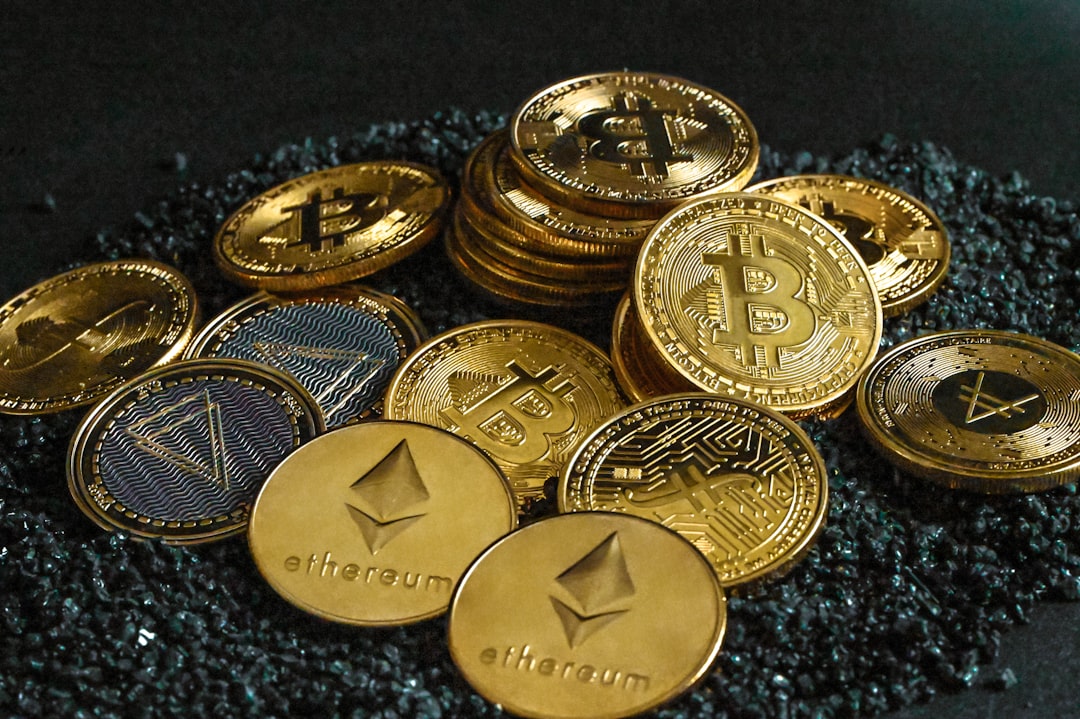
Bitcoin maximalists have spent years defending the network against critics who point out its glaring limitations: slow transaction speeds, astronomical fees during congestion, and environmental concerns that make it seem antiquated compared to modern payment systems. But there's a reason some of the smartest people in crypto have stopped worrying and learned to love the Lightning Network. It's not flashy. It won't make you rich. But it might actually make Bitcoin useful.
The Problem Nobody Wants to Admit
Let's be honest: Bitcoin on-chain is broken for everyday payments. When the network gets busy—which happens regularly—transaction fees can spike to $50, $100, or even higher. Back in 2021, during the bull run, fees hit $60 on average. That's not a currency. That's a settlement layer for millionaires.
This fundamental problem has haunted Bitcoin since its early days. Satoshi Nakamoto designed the network to be peer-to-peer electronic cash, but the 10-minute block time and 1MB block size limit created a bottleneck that no amount of wishful thinking could overcome. Bitcoin can process roughly 7 transactions per second. Visa handles 24,000.
For years, this limitation sparked religious wars in the crypto community. Bitcoin Cash emerged as a proposed solution, increasing block sizes to handle more transactions. Litecoin became "digital silver." Countless altcoins promised faster, cheaper transactions. Meanwhile, Bitcoin purists maintained that on-chain congestion was actually a feature, not a bug—a way to keep the network decentralized.
Everyone was arguing past each other. The real solution was already being built in the background.
Enter the Lightning Network: Bitcoin's Shadow Economy
The Lightning Network sounds complicated because the underlying tech actually is. But the concept is elegantly simple: instead of recording every transaction on Bitcoin's main blockchain, participants open payment channels with each other. Money moves between these channels instantly and nearly free. Only when a channel closes does the final settlement hit the blockchain.
Think of it like a bar tab. You and your friend open an account together. Throughout the night, one of you buys drinks, runs get settled between you immediately. At the end of the night, you settle up once with a single transaction. That's Lightning in a nutshell.
The network launched in 2018, and for years it remained a technical curiosity. But recent data shows something remarkable is happening. As of late 2024, the Lightning Network has grown to hold over 5,000 BTC in active channels—worth roughly $250 million. More importantly, the network is processing an estimated $1+ billion in monthly transaction volume with fees measured in satoshis (fractions of a cent).
El Salvador made headlines by making Bitcoin legal tender, but the real story was quieter: they built their entire payment infrastructure on Lightning. Salvadorans can send money across the country faster and cheaper than their existing banking system allows. It works.
Why This Matters (Even If You Don't Care About Bitcoin)
The Lightning Network's quiet success proves something that cuts across the entire crypto industry: layer-2 solutions actually work. Bitcoin doesn't need to be "fixed" on-chain. It needs to be abstracted away into a system optimized for the actual use case.
This lesson is spreading. Ethereum's rollups are essentially doing the same thing Lightning does for Bitcoin—moving transactions off the main blockchain to settle in batches. Arbitrum, Optimism, and Polygon have built massive ecosystems on top of Ethereum using this exact principle. The future of crypto isn't about faster and bigger layer-1 blockchains. It's about boring, reliable infrastructure that works so well people don't even think about it.
There's also a commercial reality at work. Stablecoin companies have quietly embraced Lightning as their preferred payment network. Why? Because moving $100,000 on-chain costs money and takes time. Moving it on Lightning costs a few cents and takes seconds. That efficiency advantage compounds across millions of transactions.
For remittance workers sending money home, for merchants processing payments, for anyone actually trying to use Bitcoin as currency rather than speculation—Lightning solves the problem that's haunted the network since 2017.
The Unsexy Reality of Crypto Progress
Here's what bugs me about crypto discourse: we're obsessed with speculation and narrative. Which token will 100x? Which CEO said something controversial today? Which exchange is imploding?
Meanwhile, the actual technological progress happens in boring infrastructure improvements that nobody tweets about. The Lightning Network has been quietly improving for six years. Transaction speeds have gotten faster. Node software has gotten more reliable. More exchanges added Lightning withdrawal support.
This is the unglamorous reality of building lasting technology. There are no VC-funded press releases. No celebrity endorsements. No viral moments. Just engineers solving actual problems so the network works better.
It's why I think Lightning Network adoption matters more than the next altcoin that promises to "revolutionize" something. One actually does what crypto promised. The other is probably vaporware designed to make founders rich.
For a more detailed look at how major players manipulate Bitcoin through newer mechanisms, check out how crypto whales are secretly manipulating Bitcoin's price through ordinals and NFTs—because while Lightning builds boring utility, other layers of the Bitcoin ecosystem remain surprisingly theatrical.
What Comes Next
The Lightning Network won't make you rich. That's a feature. It means you can actually use Bitcoin for what it was supposed to be—money that moves without intermediaries, regardless of whose approval you need.
As adoption continues spreading, expect the narrative around Bitcoin to shift. The tired arguments about scalability will fade. Instead, we'll see real-world usage data: transaction counts, volume, geographic distribution of nodes. Boring metrics that actually matter.
That's when you'll know crypto has finally grown up.
Comments (0)
No comments yet. Be the first to share your thoughts!
Sign in to join the conversation.