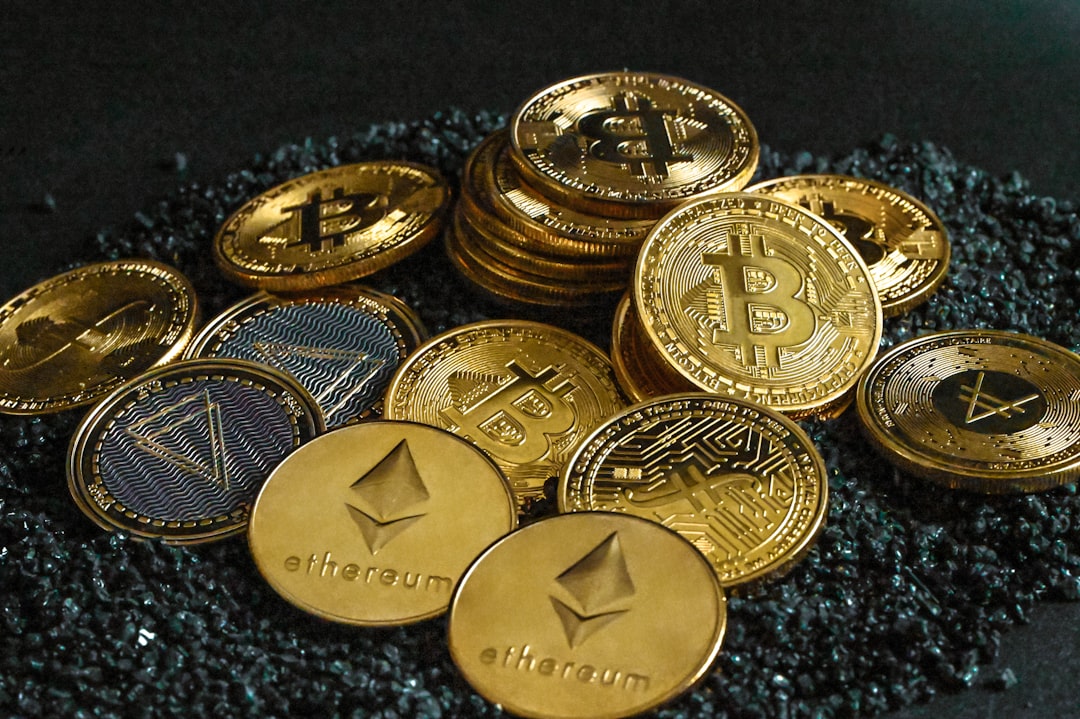
Last year, a Reddit user shared a story that haunted me. They'd purchased $340,000 in Bitcoin in 2017, stored it in a hardware wallet, and promptly forgot the PIN. Not lost it. Forgot it. They had the wallet. They had the seed phrase. But the wallet was programmed to brick itself after ten failed attempts. They'd already used eight. Two tries left before their half-million dollars in today's money became inaccessible forever. The post gained hundreds of thousands of upvotes because thousands of people recognized themselves in that story.
This is the dark underbelly of crypto's biggest selling point: self-custody. For years, the industry has marketed self-custody as liberation from banks, governments, and centralized exchanges. "Not your keys, not your coins," became the rallying cry. And technically, they're right. But what nobody talks about is that this freedom comes with a brutal cost: you become responsible for preventing your own financial catastrophe, and humans are spectacularly bad at it.
The Silent Epidemic Nobody's Tracking
Chainalysis estimated that in 2021 alone, users permanently lost access to approximately $14 billion in cryptocurrency. Fourteen billion. That's not stolen by hackers or seized by governments. That's just... gone. Lost to forgotten passwords, corrupted seed phrases, damaged hardware wallets, and users sending coins to wrong addresses.
The Blockchain Recovery Group receives roughly 50 requests per week from people locked out of their wallets. A 2023 survey from Kaspersky found that 26% of cryptocurrency holders had experienced some form of loss or theft of their digital assets. Nearly a quarter. And most of them lost it to their own mistakes, not sophisticated attacks.
What makes this especially tragic is that most of these losses are genuinely permanent. Bitcoin doesn't forgive typos. Ethereum doesn't have a customer service department you can call at 2 AM when you realize you sent your entire portfolio to an exchange wallet address instead of your hardware wallet. The blockchain is immutable, which is great for security and terrible for oops.
Why Hardware Wallets Became the Worst Solution for Regular People
Hardware wallets like Ledger and Trezor were supposed to be the answer. Get your coins off exchanges, they said. Put them on a hardware wallet, they said. It'll be safe. And technically, they're right. A properly used hardware wallet is incredibly secure. But "properly used" is where the whole system breaks down.
Here's what nobody tells beginners: hardware wallets add another layer of complexity that most people aren't equipped to handle. You need to understand what a seed phrase is. You need to write it down. You need to store it somewhere safe but not too accessible. You need to remember which wallet you used. You need to keep firmware updated. You need to understand what a change address is, what a transaction fee is, why you shouldn't scan random QR codes, and approximately 47 other things that the average person has no business needing to know just to store their money.
Ledger reports that roughly 35% of support tickets are from people locked out of their own wallets. Thirty-five percent. That's not a fringe problem. That's baseline dysfunction.
The irony is brutal: the more serious you are about security, the more vulnerable you become to making irreversible mistakes. A casual investor who leaves their coins on Coinbase might get hacked. A sophisticated investor with a hardware wallet, a seed phrase written in their safe, and a cold storage setup might send their entire portfolio to a smart contract address by accident and watch it disappear into a void forever.
The Phishing Crisis That Wallets Can't Solve
Even if you execute hardware wallets perfectly, there's another problem lurking: phishing attacks have gotten terrifyingly good. In 2023, the Chainalysis report found that phishing sites accounted for more cryptocurrency losses than ransomware, hacks, and rugpulls combined.
Here's how it works: You want to stake your Ethereum on Lido. You Google it. The first result looks perfect. You click. You connect your wallet. You sign a transaction. Congratulations, you've just granted a malicious contract the ability to transfer everything you own to the attacker's wallet. Your hardware wallet didn't protect you because you voluntarily approved it. You didn't misunderstand anything. The attack was just better than your understanding.
The average person can't defend against this. I work in tech and follow security blogs, and I still click suspicious links occasionally. The difference is I only keep small amounts in hot wallets. Regular investors putting their life savings into self-custody? They're playing a game where the rules are designed by people smarter than them, with no safety net.
The Uncomfortable Truth About Decentralization
This brings us to the uncomfortable reality that crypto advocates don't like discussing: decentralization solved the problem of institutional failure. But it created the problem of personal failure at scale. When millions of people are responsible for their own security, millions of people will fail at it.
Banks have security teams. Banks have insurance. Banks have customer service. Banks can reverse fraudulent transactions. Crypto has none of these things. You are the security team. You are the insurance (too bad). You are customer service (hey, that's also you). There's no reversal button.
The philosophical promise is beautiful: you own your money. Nobody can take it from you. No government can freeze it. No bank can deny you access. But the practical reality is that you're now responsible for being a bank, and most of us are terrible at it. I've forgotten passwords for services that reset my password via email. How am I supposed to remember a 12-word seed phrase I wrote on a piece of paper in 2019?
If you're interested in understanding where crypto security is breaking down in other ways, you should read about The Solana MEV Crisis, which reveals how even on-chain transactions aren't as secure as we've been told.
What Actually Works (And What Doesn't)
If you're going to hold cryptocurrency long-term, here's what actually works: keep small amounts in hot wallets for active use. Keep large amounts in a hardware wallet, but only if you've actually practiced using it multiple times. Write your seed phrase down in multiple locations. Test your recovery process before you need it. And honestly? Use reputable custodial services like Coinbase or Kraken for the bulk of holdings you're not actively trading. Yes, you're trusting an institution. Yes, it defeats part of crypto's philosophy. But you won't accidentally lock yourself out of your life savings.
The industry won't tell you this because it would undermine the entire decentralization narrative. But crypto is ready for institutional self-custody and absolutely not ready for mass personal self-custody. We're asking people to be their own banks before they understand what being a bank means.
The future of crypto might actually require solving this problem. Not through better technology, but through better user education, better wallet interfaces, and maybe—just maybe—accepting that decentralization has trade-offs we need to honestly discuss instead of pretending they don't exist.
Comments (0)
No comments yet. Be the first to share your thoughts!
Sign in to join the conversation.