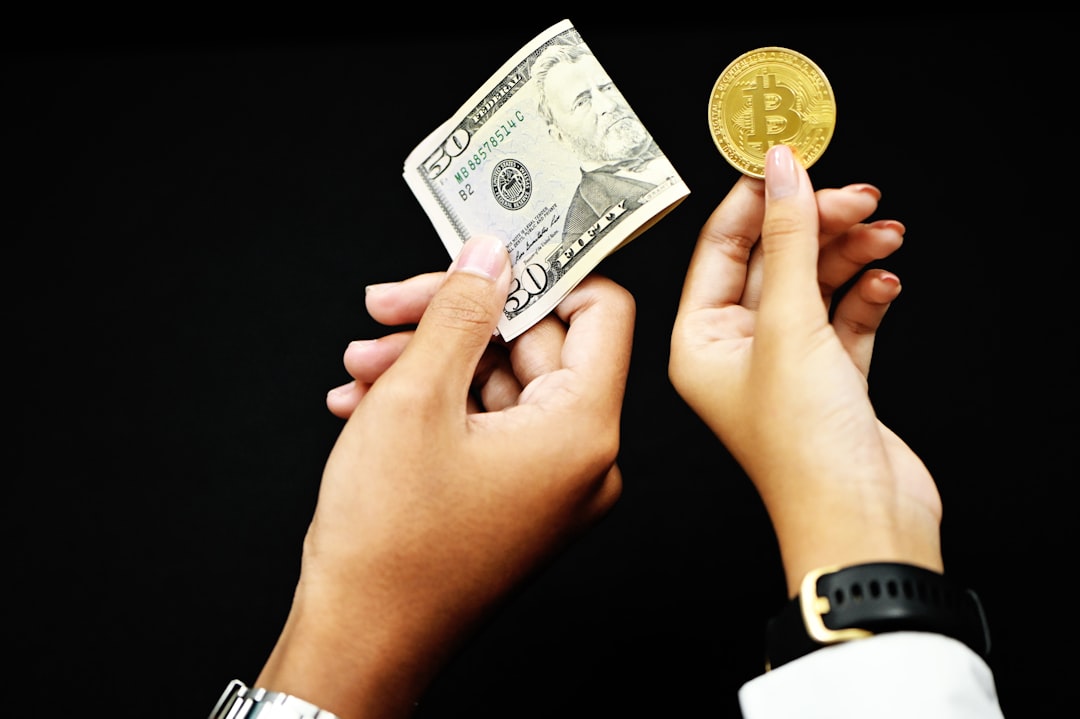
Photo by Kanchanara on Unsplash
Last Tuesday, a dog-themed cryptocurrency called Shiba Inu experienced a 340% price spike in 48 hours. No major announcement. No protocol upgrade. No institutional backing. Just pure momentum, memes, and collective belief that the next person would pay more than they did. By Wednesday, it had erased half those gains, leaving thousands of retail investors staring at devastating losses.
This isn't a cautionary tale about why you should avoid memecoins. Rather, it's the setup for a much stranger question: why has the memecoin phenomenon become one of crypto's most successful—and most toxic—innovations?
The Numbers Don't Lie, But They Tell a Funny Story
Let me be crystal clear: memecoins are objectively bad investments for the vast majority of people who buy them. The math is brutally simple. A typical memecoin launch distributes tokens heavily to early insiders. Once retail investors arrive and push up the price, those insiders cash out, dumping millions of tokens onto the market. Prices collapse. Rinse, repeat.
Dogecoin, the original memecoin that started as a literal joke in 2013, somehow became the exception to this rule. It's held some value for over a decade. But Dogecoin is the lottery winner that teaches absolutely nothing about how lotteries work.
Yet here we are. In 2024 alone, over $50 billion has flowed into memecoins. Shiba Inu reached a $10 billion market cap at its peak. Pepe, a coin that literally has zero utility and was created as satire, accumulated a $3 billion valuation. These aren't niche phenomena—they're significant portions of the overall crypto market.
So what's actually happening here?
Community As Currency (And Why It Works)
Here's what traditional finance gets wrong about memecoins: they misunderstand what makes them valuable. A memecoin isn't valuable because of its code, its development team, or any fundamentals. It's valuable because of community. Pure, unadulterated community.
When you buy Shiba Inu or Dogecoin, you're not buying a claim on future earnings. You're not funding a technology company. You're buying membership in a group of people who believe this thing has value. And as long as that community keeps growing and stays engaged, the price can continue rising—at least temporarily.
This actually explains the phenomenon better than any dismissal. Memecoins are honest about what they are. They don't hide behind whitepapers promising to revolutionize finance. There's no pretense. A Shiba Inu holder knows they're gambling. A Dogecoin community member is participating in an inside joke that somehow has market value.
The genius is perverse: by being completely transparent about their meaninglessness, memecoins attract people who find that premise liberating. You don't have to pretend to understand blockchain technology. You don't have to read 50 pages of technical documentation. You just have to believe that other people will find this funny and buy it too.
The Democratization of Hype
Memecoins represent something genuinely novel in financial markets: the first truly democratic hype cycle. Traditional pump-and-dump schemes required insider coordination. You needed connections, capital, and coordination to manipulate a stock price.
Memecoins democratized this process. A single viral tweet from someone with a large following can trigger a buying frenzy. A TikTok video of a teenager making $50,000 can inspire thousands of copycat purchases. Discord servers and Telegram groups coordinate buys with the efficiency of traditional market manipulators, except it's completely decentralized and largely transparent.
Is this market manipulation? Technically, yes. But it's market manipulation where everyone knows they're participating in the manipulation, and many seem fine with that arrangement. It's transparent chaos.
This connects to a deeper shift in how people relate to markets. For decades, market participation required trust in institutions—brokers, financial advisors, fund managers. These institutions promised expertise and insider knowledge. They charged fees for this supposed superiority.
Memecoins offered something different: the possibility that you don't need expertise. That you don't need to trust any institution. That you can be part of a movement bigger than yourself, make money while you're at it, and have fun without pretending to understand derivatives or yield curves.
The Uncomfortable Mirror
The memecoin explosion reveals something uncomfortable about modern markets generally. If people are flowing billions into assets with zero utility, what does that say about their relationship with traditional investments?
Stock valuations are increasingly divorced from earnings. Tech companies with negative cash flow command billion-dollar valuations. NFTs sold for millions in 2021-2022 with zero functional utility, just like memecoins. Even cryptocurrency's original flagship, Bitcoin, doesn't really work as a currency despite that being its stated purpose. It functions more as a belief system.
The memecoin phenomenon suggests that people understand this. They see that most assets are ultimately bets on collective belief rather than fundamental value. So why not just be honest about it? Why not buy something explicitly marketed as a joke if the serious assets are also ultimately based on faith?
If you want a deeper understanding of how fragmented and speculative the entire crypto ecosystem has become, check out our article on how cross-chain bridges are reshaping crypto's fragmented infrastructure—it shows how even crypto's plumbing reflects this underlying chaos.
The Real Risk: Normalizing the Abnormal
The genuine danger with memecoins isn't that people lose money on them, tragic as that is for individuals. The danger is normalization. As memecoins become increasingly mainstream, the line between gambling and investing becomes so blurred it practically disappears.
Younger investors entering markets through memecoins learn early that markets are games of luck and timing, not building or value creation. While this might be accurate, it's also a recipe for economic systems built entirely on gambling rather than productivity.
Regulatory crackdowns are coming. The SEC is already scrutinizing tokens with large promotional campaigns and concentrated ownership. But regulation might miss the point. Memecoins aren't succeeding because they evade rules. They're succeeding because they're honest about something the rest of finance still pretends to hide: markets are fundamentally about collective belief, and belief is tradable.
Until traditional finance can offer something more compelling than memecoins—whether that's actual utility, genuine returns, or at least entertaining transparency about its own speculative nature—memecoins will continue to attract billions. They're a mirror held up to modern finance, and the reflection is uncomfortably recognizable.
Comments (0)
No comments yet. Be the first to share your thoughts!
Sign in to join the conversation.