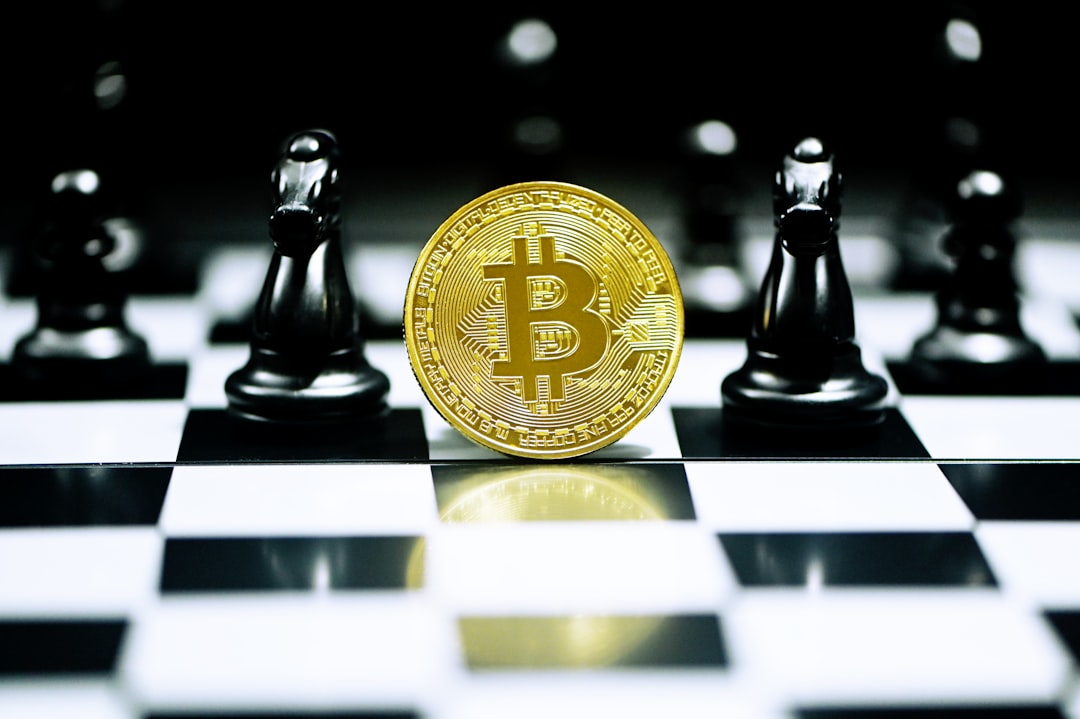
Photo by Kanchanara on Unsplash
Nobody was supposed to take Dogecoin seriously. When Billy Markus and Jackson Palmer created it in 2013 as a parody of the Bitcoin craze, complete with the iconic Shibe meme dog, it was literally a joke. A joke so successful that it eventually became worth over $90 billion at its peak. Today, memecoins aren't just surviving—they're thriving. And the people getting rich off them aren't always the ones you'd expect.
The memecoin phenomenon represents something genuinely unprecedented in finance. You have assets with zero fundamental value, no product roadmap, and often no serious team behind them, yet they've collectively created more millionaires than some legitimate tech startups ever will. It's chaotic, it's risky, and it's absolutely real.
The Anatomy of a Memecoin Explosion
Let's talk about what actually happens when a memecoin goes viral. In May 2021, Shiba Inu launched as an "experiment in community" with no marketing budget and zero institutional backing. Within months, a $100 investment would have turned into roughly $8 million at the token's peak. Thousands of people quit their jobs. Families paid off mortgages. A retired couple in England made enough to retire comfortably a second time around.
The mechanics are surprisingly straightforward: a token launches with an enormous total supply, trades at fractions of a penny, and gets so cheap that retail investors feel like they're getting a "deal." This psychological trick is powerful. People would rather buy a billion coins at $0.00001 than one coin at $100, even though the actual investment math is identical. Add a passionate community, some celebrity tweets, and you've got the ingredients for an explosive price surge.
What separates successful memecoins from the thousands that disappear entirely is, ironically, community. Dogecoin survived because Elon Musk kept mentioning it. Shiba Inu endured because its holders genuinely believed in building something. The tokens that crash to zero are the ones where the creators disappear and the community evaporates.
The Infrastructure Revolution Nobody Noticed
Here's where memecoins get interesting from a technical perspective. They've inadvertently driven massive innovation in blockchain infrastructure. When a memecoin pumps, millions of retail users flood exchanges simultaneously. This creates real engineering challenges: How do you handle that volume? How do you prevent exchanges from crashing?
Exchanges, Layer 2 solutions, and decentralized protocols have all been stress-tested by memecoin mania in ways that traditional finance never could have anticipated. The 2023 Bonk surge on Solana taught engineers more about network scalability than academic papers ever could. Solana's ecosystem essentially became a real-world laboratory for handling extreme transaction throughput.
Additionally, memecoins have democratized token creation. You can literally launch one in minutes now. This sounds dangerous—and it is—but it's also eliminated gatekeeping in a way that traditional finance never managed. Your 16-year-old neighbor could theoretically launch a token that outperforms hedge funds. That never happened in the stock market.
The Uncomfortable Truth About Risk and Reward
Let's be honest: memecoins are fundamentally gambling. Not investing. Not even speculating in the traditional sense. Pure, unadulterated gambling with leveraged odds.
The winners are real. The losses are equally real. For every person who turned $500 into $2 million, there are probably 500 people who turned $500 into $47. The distribution is wildly skewed. Most memecoins go to zero. Many never leave the exchanges they launch on. Rug pulls—where creators steal the liquidity and vanish—happen constantly.
But here's what's fascinating: people know this. The participants in memecoin communities are often well-aware they're buying lottery tickets. They've simply decided the risk-reward calculation makes sense for them. A 2% portfolio allocation to memecoins might be reckless for a retiree, but for a 25-year-old with twenty years until retirement, it's a calculated bet on asymmetric returns.
The psychology matters here. Traditional investing tells you to buy index funds and forget about it for thirty years. Memecoin culture says: "What if we created something ourselves that the entire internet gets excited about?" That's genuinely appealing to a generation that feels excluded from traditional wealth-building mechanisms.
The Future: Legitimacy or Extinction?
Memecoins are becoming increasingly sophisticated. Newer projects are adding actual utility—governance tokens, staking mechanisms, even DeFi integrations. The line between "pure memecoin" and "token with some memecoin DNA" is blurring.
Meanwhile, regulatory pressure is mounting. The SEC is taking a harder look at token launches. Some exchanges have started delisting memecoins. The wild west phase is ending. What comes next will probably be a consolidation: the successful communities will professionalize, develop real products, and integrate with mainstream finance. The failed experiments will quietly disappear from everyone's portfolios.
What's worth considering is that memecoins might be the training ground for the next generation of crypto infrastructure. The communities that form around them are real. The technology they push forward is real. And the wealth they create, while chaotic and unfairly distributed, is definitely real.
If you're interested in understanding how blockchain technology is evolving beyond memecoins, you should check out The Bridge Between Worlds: How Cross-Chain Bridges Are Reshaping Crypto's Fragmented Future, which explores how different blockchain networks are becoming interconnected.
The memecoin story isn't over. It's barely begun, actually. And the fact that something this chaotic, this unpredictable, and this fundamentally irrational has created more individual wealth stories than venture capital ever will—that tells you something important about where we are in the financial revolution. The old game is breaking down. The new game is still forming. And memecoins are proof that anyone can play.
Comments (0)
No comments yet. Be the first to share your thoughts!
Sign in to join the conversation.