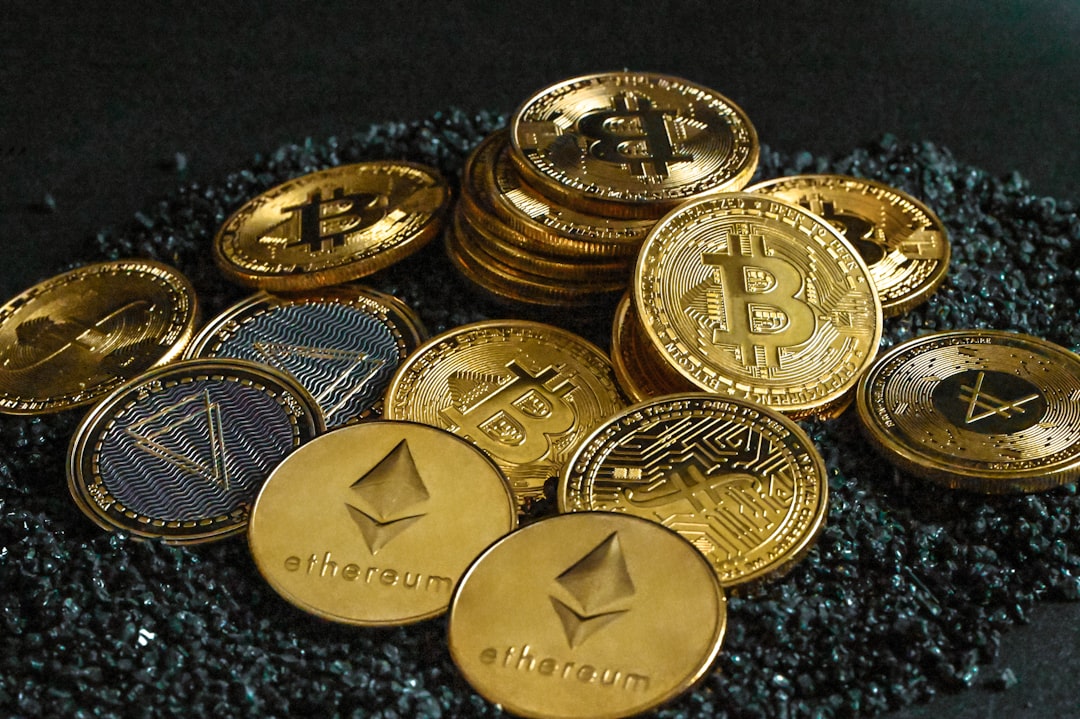
When Circle announced it would merge USDC into Coinbase's USD in August 2024, the crypto world collectively held its breath. For millions of users, USDC wasn't just another token—it was supposed to be the dependable bridge between fiat banking and decentralized finance. The merger caught many people off guard, and for good reason. This wasn't a casual business decision. It was an admission that something fundamental had broken in how crypto handles the most basic financial service: stable value.
The Rise and Fall of a Stablecoin Empire
Circle started with genuine ambition. Founded in 2013 by Jeremy Allaire and Sean Neville, the company positioned itself as the future of digital currency infrastructure. USDC launched in 2018 as a competitor to Tether's USDT, and for years it seemed like the safer alternative. Circle underwent audits, maintained transparency reports, and generally played by the rules that regulators wanted to see.
By 2021, USDC was everywhere. DeFi protocols built entire ecosystems around it. Exchanges integrated it. Lending platforms used it as collateral. At its peak in May 2023, USDC had a market cap exceeding $43 billion. The token appeared in thousands of smart contracts, liquidity pools, and custody arrangements. It seemed inevitable that USDC would become the dominant stablecoin.
Then everything changed.
The SVB Collapse and the Confidence Crack
The catalyst wasn't a technical failure or a hack. It was the collapse of Silicon Valley Bank in March 2023. Circle, like many fintech companies, held a portion of USDC reserves at SVB. When the bank failed overnight, USDC lost approximately $3.3 billion in backing. For a stablecoin built on the promise of full transparency and redemption guarantees, this was catastrophic.
The markets reacted with brutal efficiency. USDC's price, which should never move from $1, dropped below 89 cents on some exchanges. People panicked. They rushed to redeem their holdings. Circle's management team scrambled to stabilize the situation, and the Federal Reserve ultimately backstopped the problem—but the psychological damage was done.
Here's the uncomfortable truth: centralized stablecoins depend entirely on institutional confidence. They're not backed by code or cryptography. They're backed by the financial institutions that hold the reserves. When that institution fails, there's nothing preventing a death spiral except the speed of damage control. SVB exposed this fragility to everyone watching.
Why Coinbase's USD Became the Better Play
Circle's decision to merge with Coinbase USD wasn't born from weakness alone. It was a pragmatic recognition that the stablecoin market had fundamentally changed. Coinbase, as a publicly traded company, faced regulatory scrutiny that actually made it more trustworthy in some ways. A publicly traded platform is accountable to shareholders, regulators, and the SEC in ways a private company never is.
More importantly, Coinbase had something Circle lacked: direct relationships with major institutional money. Grayscale, MicroStrategy, and other large institutional holders were already comfortable with Coinbase. By consolidating under the Coinbase USD banner, the merged entity could offer something neither competitor could achieve alone: institutional-grade custody with decentralized finance accessibility.
The numbers tell the story. As of the merger announcement, USDC held roughly $24 billion in total supply, while USDT maintained dominance with over $83 billion. Consolidating behind Coinbase gave the entity a fighting chance to compete, but only if it could restore the confidence that SVB had shattered.
The Deeper Problem Nobody's Discussing
The real issue isn't whether USDC or USDT or USDB will dominate. The real issue is that crypto still doesn't have a genuinely decentralized solution to the stablecoin problem. DAI, the decentralized stablecoin backed by crypto collateral, exists—but it's over-collateralized, more expensive to use, and fundamentally different in design.
Every centralized stablecoin carries the same existential risk that Circle discovered. They're only as stable as the institutions backing them. You can't engineer your way around institutional failure. You can't code your way out of a bank collapse. And you absolutely can't escape the regulatory capture that comes with holding billions of dollars in depository institutions.
This is why understanding the fundamentals of crypto asset valuation matters more than ever. When stablecoins lose their stable value proposition, everything built on top of them becomes riskier.
What This Means for Your Portfolio
If you're holding USDC, the merger to USD creates some friction but ultimately preserves your position. Coinbase is handling the transition. You won't lose money. But the broader lesson is worth absorbing: centralized stablecoins are financial instruments, not true alternatives to traditional banking.
They're useful tools for moving money between exchanges and protocols without price slippage. They're terrible for anyone seeking true financial independence from institutional systems. They're mediocre for everyone else.
The USDC story is ultimately a story about growth and its discontents. Circle grew too fast, integrated too deeply into fragile financial infrastructure, and discovered that success in crypto still means accepting the same counterparty risks that plague traditional finance. The merger isn't a failure. It's a maturation. And it's telling you something important: the revolution won't be televised by stablecoins.
Comments (0)
No comments yet. Be the first to share your thoughts!
Sign in to join the conversation.