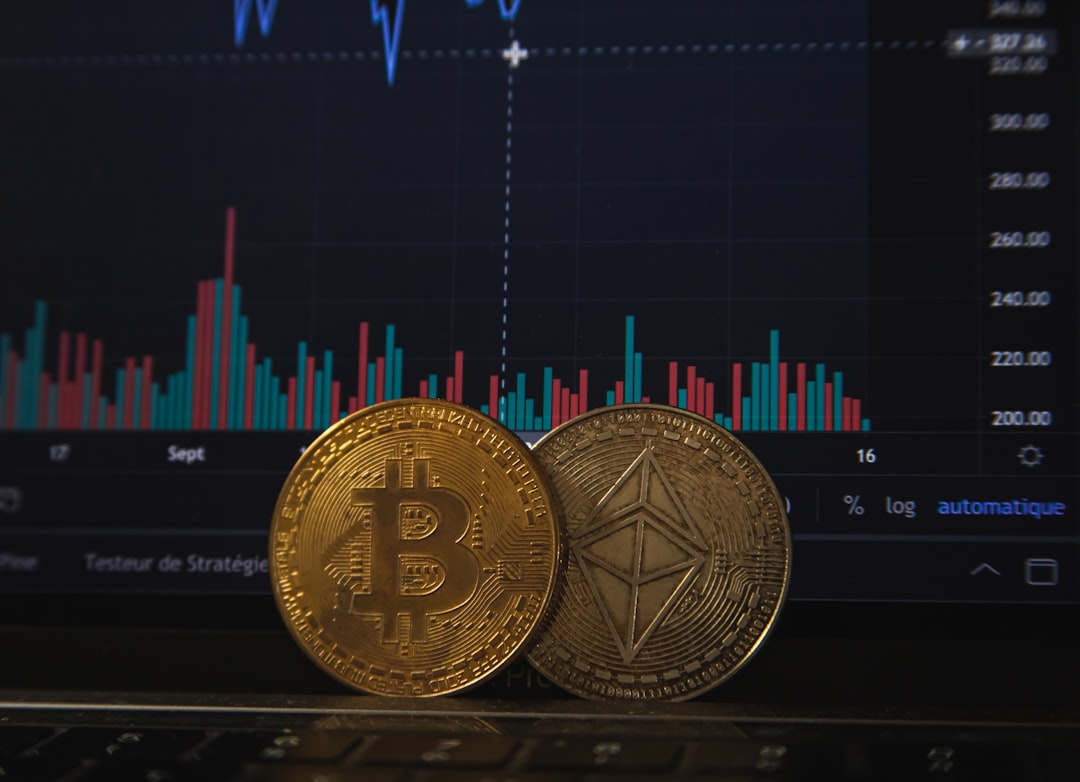
Photo by Pierre Borthiry - Peiobty on Unsplash
When Luna crashed in May 2022, it wasn't just Luna that burned. UST, the stablecoin designed to maintain a $1 peg through algorithmic magic, vaporized alongside it. In a matter of days, $40 billion in supposed "safe" assets evaporated. People who thought they were holding the crypto equivalent of cash discovered they were actually holding lottery tickets.
This wasn't supposed to happen. Stablecoins exist for a reason—to be the boring, reliable on-ramp to cryptocurrency. They're supposed to let you park your money without the stomach-churning volatility of Bitcoin or Ethereum. Yet somehow, the "safest" assets in crypto keep blowing up in the most spectacular ways possible.
The Three Flavors of Stable (And Why Two Are Illusions)
Not all stablecoins are created equal, and understanding the differences could literally save your money. There are three main categories, and they operate on completely different mechanics.
Fiat-collateralized stablecoins like USDC and USDT are the most straightforward. Tether and Circle claim to hold actual US dollars (or near-equivalents) in reserve—one dollar locked away for every stablecoin token circulating. In theory, this is simple: you own a claim on real money sitting in a bank vault. USDC, backed by Coinbase and Circle, has been relatively transparent about its reserves, publishing regular attestations. Tether? That's where it gets murky. For years, Tether refused to prove it actually held the reserves it claimed. The company paid a $18.5 million settlement in 2021 without admitting wrongdoing, then continued operating with the same opaque practices. Many crypto insiders still don't trust it, even if it remains the most liquid stablecoin on the market.
Crypto-collateralized stablecoins like DAI operate on the opposite principle. Instead of holding dollars, they hold crypto as collateral. You lock up $2 worth of Ethereum, borrow $1 of DAI, and there's your stablecoin. The system relies on automated liquidations to stay afloat—if your collateral drops too far in value, the protocol force-sells it to maintain the peg. This worked reasonably well until market crashes made liquidations impossible or unprofitable, at which point the whole mechanism started failing.
And then there's the algorithmic approach—the one that haunts the industry. No collateral. No backing. Just math. UST promised to maintain its $1 peg through incentive mechanisms and sheer belief in the system. It worked until it didn't. And when it collapsed, it didn't just fail quietly. It obliterated $40 billion in value and destroyed the reputation of Do Kwon, Luna's charismatic but reckless founder, who spent months assuring everyone UST was completely safe while he actually pulled his own capital out.
The Uncomfortable Truth About Reserve Claims
Here's where things get genuinely unsettling: even for fiat-collateralized coins, "reserves" don't necessarily mean what you think they mean.
Tether claims to hold backing in US dollars, but it also holds "Tether Gold," Bitcoin, and other cryptocurrencies as part of its reserve mix. When Bitcoin crashed, Tether's reserves crashed with it. USDT is also issued across multiple blockchains—Ethereum, Tron, Solana, and others—which creates operational complexity and fragmentation. If one blockchain implementation gets hacked or corrupted, the whole system could theoretically unravel.
USDC has been more transparent, but transparency cuts both ways. When Silicon Valley Bank collapsed in March 2023, USDC held $3.3 billion there. The stablecoin briefly depegged, dropping to $0.87. Circle scrambled to backstop the difference with deposits from Coinbase and others, but for a few terrifying hours, the "safe" stablecoin wasn't safe at all. It recovered, sure. But the incident revealed that even the most responsible stablecoin operators can get caught in traditional financial crises they can't control.
Why Stablecoins Keep Failing When We Need Them Most
The cruel irony of stablecoins is that they fail most dramatically during market crashes—exactly when people most need a safe haven. During the 2022 crypto winter, multiple stablecoins depegged, including Terra's UST, Binance's BUSD, and others. Traders trying to move money to safety found their "stable" assets were suddenly unstable.
This happens because stablecoins are creatures of the crypto market itself. During panic selling, the mechanisms that maintain their pegs—whether collateral liquidations, incentive systems, or market-making bots—break down under extreme conditions. Liquidity dries up. Counterparties fail. The whole system becomes fragile exactly when it needs to be strongest.
There's also the central exchange risk that few people consider. Most stablecoins live on exchanges or can only be withdrawn from decentralized protocols tied to those stablecoins' operators. If Coinbase faces regulatory pressure and can't operate USDC, what happens to the billions in USDC that exist? What if Circle's stablecoin becomes the target of regulation? These companies maintain the infrastructure that keeps these tokens functioning.
The Regulatory Reckoning Coming
Governments are already moving. The European Union's Markets in Crypto-Assets Regulation (MiCA) now requires stablecoin issuers to maintain adequate capital reserves and undergo regular audits. The US is moving toward similar frameworks, with multiple bills proposing oversight of stablecoin issuers as payment system operators.
This regulation might actually make stablecoins safer—or it might make them less useful. If regulatory requirements force stablecoin operators to hold massive capital reserves or face restrictions on how much they can issue, the products become less economically viable. We've already seen this: TerraUSD, which thought it could outrun regulations through clever engineering, couldn't outlast the market's realization that it was fundamentally unsound.
For a deeper dive into how market confidence can evaporate in crypto, check out The Solana Saga: Why One Network's Outages Keep Crushing Millions in Value, which explores how fragility is baked into many crypto systems.
So What's Actually Safe?
If you're holding stablecoins, USDC and USDT remain the most established and liquid options, despite their respective risks. USDC has better transparency. USDT has better liquidity and network effects. Neither is risk-free. There's always counterparty risk, regulatory risk, and market risk.
The uncomfortable reality? There's no such thing as a truly risk-free stablecoin. There's only stablecoins with different, somewhat predictable risks versus stablecoins with novel, untested risks. The algorithmic coins offered unlimited upside potential in exchange for nearly certain doom. The fiat-collateralized coins offer relative safety in exchange for counterparty and regulatory dependence.
The lesson from every stablecoin failure has been the same: trust but verify, and don't trust more than you can afford to lose.
Comments (0)
No comments yet. Be the first to share your thoughts!
Sign in to join the conversation.