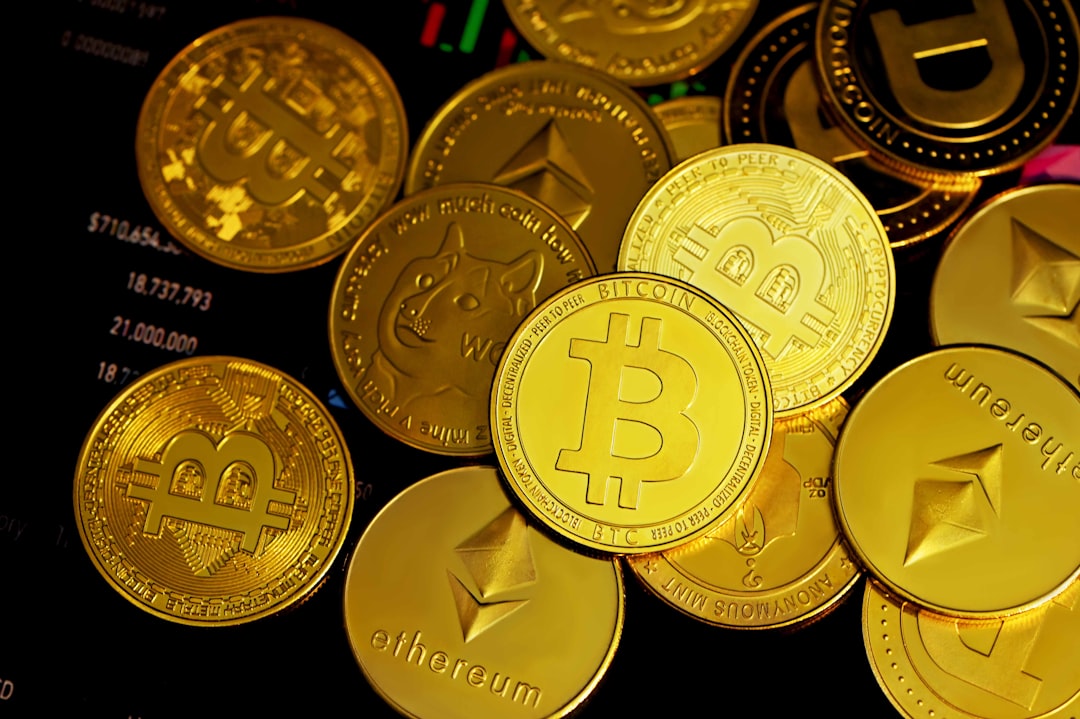
Photo by Kanchanara on Unsplash
Remember 2022? When FTX imploded and took $8 billion in customer funds with it, there was a collective moment of clarity in the crypto community. People suddenly realized that keeping your Bitcoin on an exchange—no matter how legitimate it seemed—was basically a financial suicide mission. But what surprised most observers was what happened next: instead of people abandoning crypto entirely, they started buying hardware wallets in droves.
The data tells a striking story. Ledger, the French hardware wallet manufacturer, reported selling over 6 million devices by 2023, with sales jumping 30% year-over-year even as crypto prices stagnated. Trezor, their main competitor, saw similar growth trajectories. These aren't trivial numbers—they represent millions of regular people making a deliberate choice to take custody of their own assets rather than trusting institutions.
The Hot Wallet Fallacy We Finally Stopped Believing
For most of crypto's history, hot wallets—digital wallets connected to the internet—dominated the space. They were convenient. You could access your funds instantly. MetaMask became a household name (well, a crypto household name) because it made interacting with DeFi protocols effortless. But convenience came at an astronomical cost.
Between 2017 and 2023, crypto exchanges and platforms lost approximately $14.6 billion to hacks. That's not hyperbole—it's documented theft. Cryptopia. QuadrigaCX. Ronin Network. Each incident followed the same depressing pattern: users who trusted a platform with their keys watched their money vanish. The worst part? Many of these users thought they were being smart by using "reputable" exchanges.
Hot wallets also suffer from a vulnerability that's almost embarrassingly simple: human error. A single mistake—clicking a malicious link, typing a seed phrase into a phishing website, or giving permission to a sketchy smart contract—and your funds are gone forever. It's not a hack. It's not even a sophisticated attack. It's just one small action that permanently empties your wallet.
Why Hardware Wallets Became the Boring Choice (And That's Why They're Winning)
Hardware wallets operate on a principle that sounds annoyingly old-fashioned: air-gapped security. Your private keys live on a device that isn't connected to the internet. To approve a transaction, you physically interact with the device. No amount of malware on your computer matters because the device is isolated.
Ledger Nano X and Trezor Model T have become the gold standard, but here's what's remarkable: they're boring. They don't promise yield. They don't gamify your holdings. They don't offer flashy features. They just sit there, keeping your crypto safe while the rest of the ecosystem burns itself down.
The adoption curve reflects this shift in mentality. In 2020, hardware wallet manufacturers could barely keep up with demand during the bull run. But instead of sales dropping when the market cooled in 2022-2023, they stayed high. This wasn't FOMO-driven speculation. This was genuine security consciousness. People were choosing to make their crypto actually secure rather than easy to trade.
One example perfectly captures this trend: when the Curve Finance governance token started rewarding users who delegated their votes to Yearn Finance, the Curve community erupted. Not because the yield was bad, but because delegating through a governance portal would've required interacting with smart contracts that could potentially drain funds. Hundreds of people deliberately chose inconvenience—manually voting without delegating—because they knew their keys weren't safe anywhere except offline.
The Smartphone Generation Finally Gets It
What's most fascinating is that this shift is happening across demographics. Early crypto adopters—the ones who've been hodling since 2015—have always understood cold storage. But now, people who came into crypto during the 2021 bull run and stuck around are making the transition too.
Hardware wallet manufacturers have helped by removing friction. Modern devices support multiple blockchains. They integrate with popular wallets like Phantom Wallet and MetaMask, making them easier to use than they were five years ago. You get convenience and security—not one or the other.
The price point has also become less prohibitive. A Ledger Nano S Plus costs around $79, and Trezor's entry model is similar. For someone holding more than $1,000 in crypto, this is insurance money. For people holding significantly more, it's a no-brainer.
The Institutional Validation Nobody Expected
Here's something that would've seemed absurd in 2017: institutional investors started demanding hardware wallet security for their custody arrangements. When billions of dollars from hedge funds and pension funds started flowing into crypto, fund managers didn't use exchange wallets. They demanded offline, multi-signature hardware wallet setups with key redundancy.
This created a strange validation loop. Institutional security standards became consumer security standards. People realized that if major institutions trusted hardware wallets, maybe they should too. The "boring" approach to security wasn't boring anymore—it was professional.
What This Means Going Forward
The great wallet purge represents something deeper than just a security trend. It's a maturation moment. Crypto is moving away from "move fast and break things" culture toward actual financial responsibility. The exchanges and hot wallets aren't going anywhere—they're essential for trading and DeFi interaction. But for actual asset storage, cold storage is becoming the norm.
Don't expect this to be flashy or exciting. The real victory of hardware wallets is that they're becoming invisible—just what security should be. People buy them, set them up, and forget about them. There's no drama. No hacks to tweet about. Just silent, unglamorous security doing exactly what it's supposed to do.
That might sound boring. But ask anyone who lost money on FTX or to a 2018 exchange hack, and they'll tell you boring security is exactly what crypto needed all along.
Comments (0)
No comments yet. Be the first to share your thoughts!
Sign in to join the conversation.