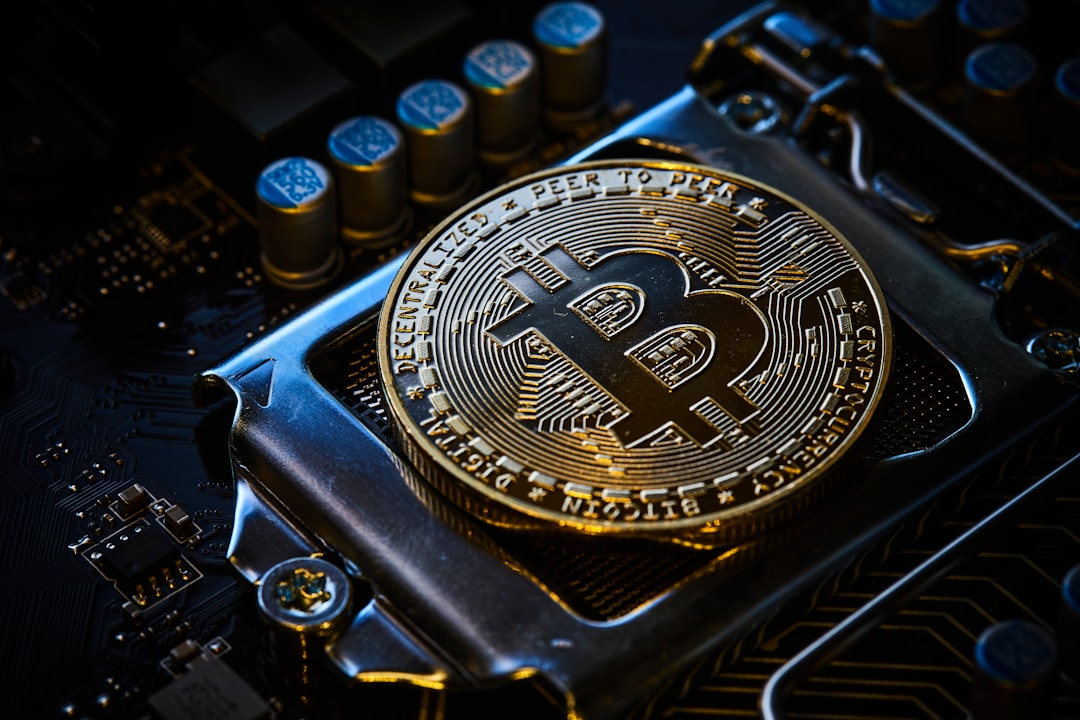
Photo by Michael Förtsch on Unsplash
Sarah lost $47,000 in Bitcoin on a Tuesday afternoon. She didn't get hacked by some sophisticated cybercriminal operation. She simply forgot her password. The 12-word seed phrase she'd written down by hand? Lost in a move three years ago. The digital backup she'd encrypted with a secondary password? She couldn't remember which variant she'd used. For months, Sarah watched her Bitcoin sit untouched in her cold wallet, completely inaccessible, while the crypto community congratulated itself for freeing people from institutional oversight.
This isn't an isolated incident anymore. It's becoming a pattern—a quiet reversal in the foundational assumption that made cryptocurrency appealing to millions in the first place.
The Self-Custody Dream Meets Reality
When Bitcoin launched in 2009, the pitch was revolutionary: take your money out of the banking system. Don't trust institutions. Be your own bank. For the true believers, this wasn't just about avoiding fees or faster settlements. It was philosophical. It was freedom.
The numbers seemed to back this up. By 2021, at the height of crypto's mainstreaming, roughly 40-45% of Bitcoin holders kept their coins in self-managed wallets. Hardware wallet manufacturers couldn't keep products in stock. Ledger, one of the biggest hardware wallet companies, sold over a million units in 2021 alone. The message was clear: people wanted control.
But something shifted. By 2024, industry surveys suggest that figure has dropped to around 25-30%. That missing 15% of people didn't lose interest in crypto. They mostly moved their holdings to exchanges like Coinbase, Kraken, and Crypto.com—the very institutions crypto was supposed to free them from.
The reason? Self-custody is brutally, unforgivingly hard for normal people.
When Security Becomes Your Problem
Here's what self-custody actually requires: you must generate a random 12 or 24-word seed phrase. You must write it down (paper is considered best practice, not digital). You must store this piece of paper somewhere safe—but not too safe, because if you lose it, your money vanishes forever. You must never screenshot it, photograph it, or email it to yourself. You must never tell anyone what it is. You must remember which password variant you used, or write that down too (safely). You must make sure your device isn't infected with malware. You must never use public WiFi when accessing your wallet. You must update your software regularly. You must not click suspicious links.
This is security through paranoia, and most people aren't built for it.
The data is sobering. A 2023 study found that approximately 20% of all lost Bitcoin—worth roughly $100 billion at current prices—was lost due to forgotten passwords or misplaced seed phrases. These weren't victims of hacks. They weren't rugged by developers. They simply made human errors that proved irreversible.
Chainalysis reported in 2022 that wallet draining scams specifically targeting self-custody users had increased 300% year-over-year. These aren't sophisticated exploits. They're phishing emails, fake wallet websites, and social engineering. But they work because maintaining security while remaining accessible is cognitively exhausting.
Exchange Custody: The Uncomfortable Second Act
What's truly remarkable is how the conversation has evolved. Institutional investors never bought the self-custody dream. They wanted insured custodians. When Fidelity, BlackRock, and other giants entered the space, they brought cold storage and insurance and compliance teams. Their money was safer in institutions than in anyone's home office.
Retail investors are slowly reaching the same conclusion, just for different reasons. They're tired. Tired of remembering passwords. Tired of worrying about their backups. Tired of feeling like they're one mistake away from financial ruin.
The irony is sharp: the technology that was supposed to eliminate trusted third parties is now being used precisely because people want a trusted third party. Coinbase's institutional custody service has grown 400% since 2020. Kraken's staking service, which requires users to trust Kraken with their coins, has attracted billions in deposits.
And exchange hacks? They're actually declining. Major exchanges now hold crypto in cold storage with multi-signature security. They buy insurance. They undergo regular audits. The probability of losing your coins to an exchange hack is significantly lower than losing them to your own mistakes.
The Uncomfortable Truth About Decentralization
This creates a problem that crypto idealists don't like discussing: decentralization works great if everyone involved is highly sophisticated. It works great if you're paranoid and technically proficient. But it fails at mass adoption because normal people have normal human limitations.
You can write the most elegant code, design the most intuitive interface, and send the clearest security warnings. People will still lose their seed phrases. They'll still forget their passwords. They'll still fall for phishing attacks. They'll still use the same password for their wallet as they use for their Instagram account.
Some projects have tried to solve this. Social recovery wallets and multi-party computation systems aim to reduce single points of failure. But adoption remains minimal. The easier solution—just use an exchange—wins every time.
What This Means for Crypto's Future
The great migration back to exchanges suggests something uncomfortable: maybe decentralization isn't actually what users want. They want security, convenience, and lower fees. They'll take decentralization if it comes free with those things. But given a choice, they'll pick the exchange with good insurance and 24/7 customer support.
This doesn't mean crypto is failing. It means crypto is maturing into something less revolutionary and more practical. Bitcoin and Ethereum might revolutionize the financial system, but most people will interact with that system through regulated intermediaries, not through 24-word seed phrases stored in fireproof safes.
The radical decentralization of crypto's early vision required radical responsibility from users. And most users just want to buy some Bitcoin without becoming their own bank's security officer.
Comments (0)
No comments yet. Be the first to share your thoughts!
Sign in to join the conversation.