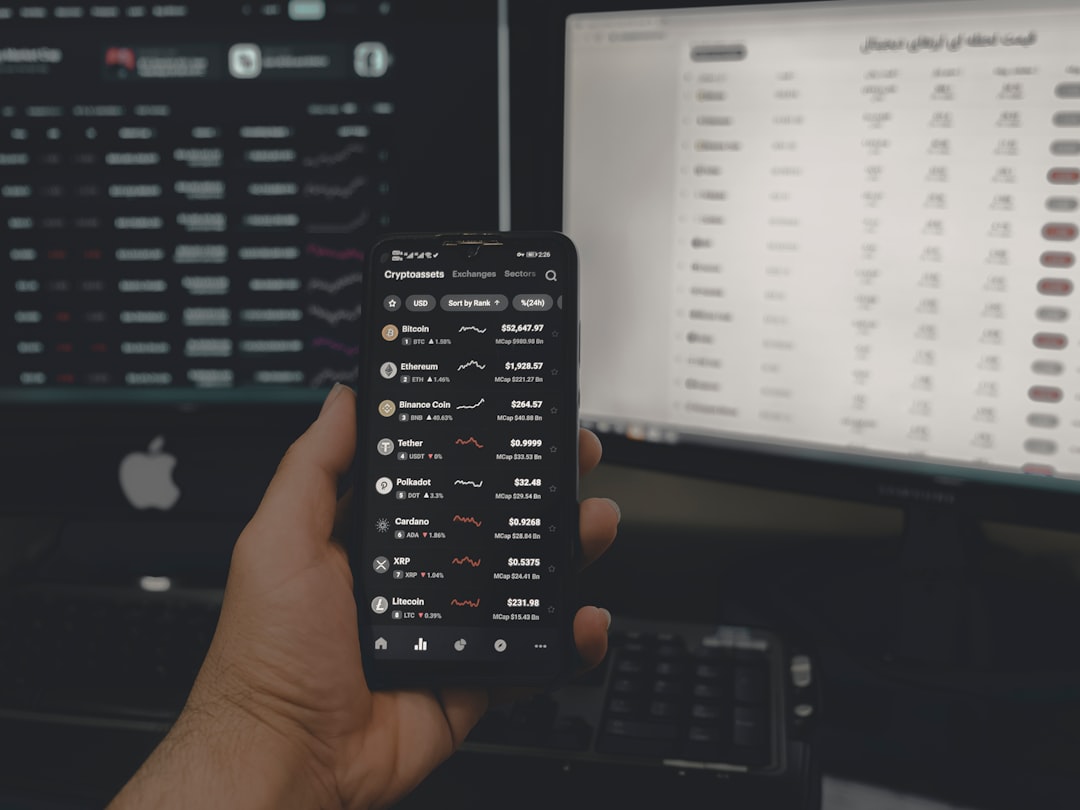
Photo by Sajad Nori on Unsplash
Ten years ago, someone paid 10,000 Bitcoin for two Papa John's pizzas. That transaction lives in crypto infamy as a cautionary tale about volatility. But it teaches us something deeper that most Bitcoin holders refuse to acknowledge: holding crypto isn't just about price appreciation. It's about what you're giving up by not doing anything else with your capital.
This is the Bitcoin Pizza Problem, and it affects nearly every crypto portfolio.
The Hidden Tax Nobody Wants to Talk About
Let's do some math that makes crypto investors uncomfortable. If you bought Bitcoin in 2019 at $7,000 and held it until now, you'd be celebrating a four-to-five times return. But here's what nobody mentions: the S&P 500 returned roughly 120% in the same period. A boring Vanguard total market index fund beat your sexy, rebellious Bitcoin position.
And that's just the nominal return. Once you factor in the opportunity cost of capital, things get worse. That's the real Bitcoin Pizza Problem—not that you might have missed out on lambos, but that you might have genuinely underperformed your alternatives.
The crypto industry has done something genius: they've convinced us that "hodling" is a strategy. It's not. Holding anything without purpose is just procrastination dressed up as conviction. Yet this mentality permeates every corner of the space. People treat their crypto positions like possessions rather than investments requiring active management and periodic evaluation.
Consider someone who accumulated Ethereum at $100 in 2017. Yes, they're up massively. But they're also up massively on luck. They took massive risks, convinced themselves it was genius, and got rewarded by a bull market. Next time we hit a bear market—and we will—that same conviction becomes a liability.
Why Crypto Holders Can't Actually Spend Their Money
Here's the brutal truth: most people holding crypto can't actually use it. Not really.
Bitcoin has approximately 12 transactions per second capacity. Ethereum roughly 30. Meanwhile, Visa processes about 150 million transactions daily. The math isn't close. You can't actually build an economy on this infrastructure, which means people don't spend their crypto—they hoard it, hoping to sell to someone else for more money.
That's not investing. That's greater fool theory with better marketing.
The moment you accept that you can't spend your Bitcoin on everyday transactions, you realize you're betting entirely on future price appreciation. You're not getting cashflow. You're not getting utility. You're getting a lottery ticket masquerading as financial sophistication. And lottery tickets, mathematically speaking, are bad bets.
Someone holding 10 Bitcoin might feel wealthy on paper. But that wealth is entirely theoretical until they sell. And when they sell, they realize they've been living off the fumes of price volatility, not actual value creation. This is why crypto volatility is so brutal—there's no underlying cashflow to stabilize the price. It's pure sentiment and momentum.
The Real Killer: Inflation and Purchasing Power
Bitcoin maximalists will tell you Bitcoin is inflation-proof because there's a hard cap of 21 million coins. This argument is technically true and practically useless.
If you bought Bitcoin when it was $19,000 (during the 2017 bull run) and it's now around $43,000, you might think you've doubled your money. But the U.S. dollar lost significant purchasing power in that span due to inflation, particularly from 2021-2023. Your Bitcoin might be up nominally, but if you tried to buy the same basket of goods you could have bought at $19,000, you'd find your real returns are far more modest.
Worse still: if you ever do sell your Bitcoin for fiat currency to actually spend it, you're locking in losses against inflation if your purchasing power hasn't kept pace.
This is why the "Bitcoin fixes this" narrative falls apart under scrutiny. Bitcoin doesn't fix inflation. It just shifts the burden. Instead of your money being devalued by monetary policy, your money is devalued by your inability to spend it—and the psychological need to keep holding for "the next pump."
The Compound Effect of Doing Nothing
Let's return to first principles. Money is supposed to work. It's supposed to either generate returns through investment in productive assets or at least maintain purchasing power. Bitcoin does neither reliably. It's a zero-coupon asset betting entirely on appreciation.
Compare this to dividend-paying stocks, bonds with interest payments, or even real estate with rental income. These generate actual cashflow. That cashflow can be reinvested, compounded, and used to weather market downturns.
Bitcoin generates nothing. You hold it hoping to sell higher. That might work when new money keeps flooding in, but markets eventually mature. When they do, assets without underlying cashflow crash hardest.
This is the ultimate Bitcoin Pizza Problem: by holding something that generates no returns and serves no practical function, you're paying an invisible tax every single day. That tax is called "opportunity cost," and it's the most dangerous thing in investing because you never see it on your screen.
What This Actually Means for Your Portfolio
None of this is an argument that Bitcoin goes to zero. None of this is an argument that you shouldn't own any crypto. Rather, it's an argument that you should know what you're actually buying.
If you're holding crypto as a lottery ticket on tech disruption, that's fine. Just admit that's what you're doing. Don't dress it up in language about "stores of value" or "inflation hedges." You're gambling that the network effects of Bitcoin or Ethereum are so powerful that they'll pull in enough future money to justify today's prices.
That's a reasonable bet. But it's not the bulletproof position most crypto holders believe they own. And it requires two things most crypto holders don't actually do: active portfolio management and willingness to take profits. Why Crypto Whales Are Quietly Building on Obscure Layer-2 Networks Instead of Ethereum explores how serious players are evolving beyond simple HODL strategies.
The person who bought Bitcoin at $100 made an incredible decision. But they made it partially through luck. The person who has held since then without ever taking profits? They've made a different kind of bet: that the luck continues forever. History suggests it won't.
The Bitcoin Pizza guy paid $10,000 for food he could have had for $25. That's obviously ridiculous. But every Bitcoin holder who hasn't considered their opportunity cost is making a similar mistake—just slower, and harder to see.
Comments (0)
No comments yet. Be the first to share your thoughts!
Sign in to join the conversation.