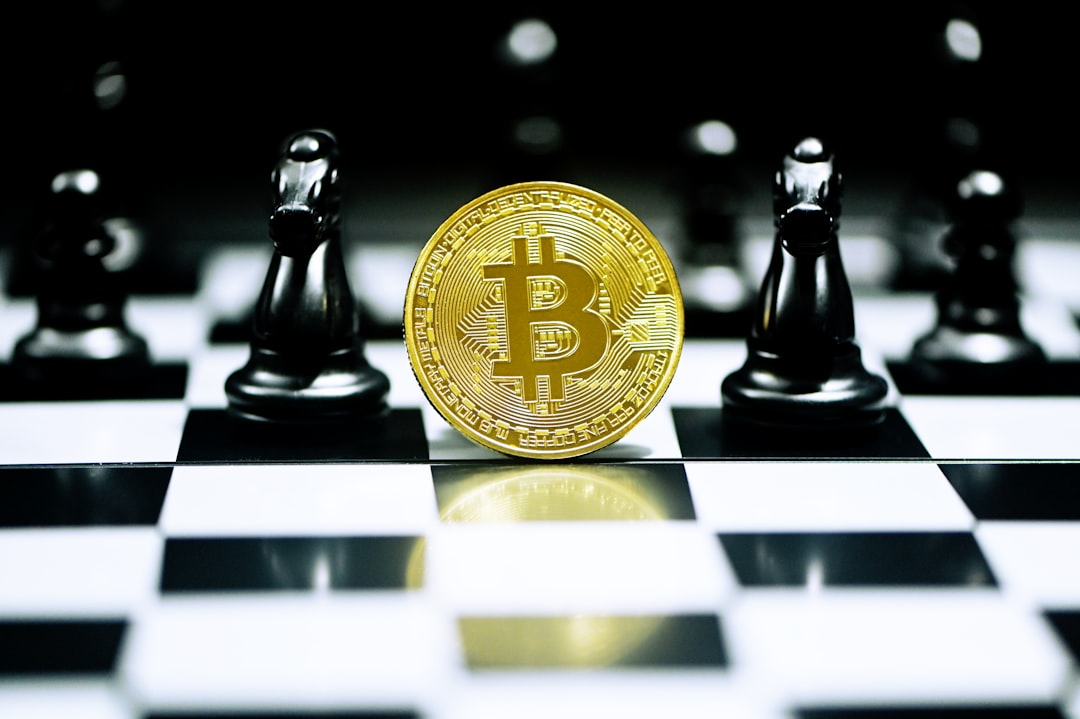
Photo by Kanchanara on Unsplash
Sarah had $340,000 in Bitcoin. She remembers exactly when she bought it—2016, when her friends thought she was crazy. She remembers the wallet address. She remembers the exchange. But there's one thing she doesn't remember: the password she created on a Tuesday afternoon eight years ago.
Today, that Bitcoin sits in a digital vault she can no longer access. It's still hers. It will always be hers. And she will never be able to touch it again.
Sarah's situation isn't uncommon. In fact, it's becoming one of the most significant—and least discussed—challenges facing cryptocurrency adoption. Research from Chainalysis estimates that between 17-23% of all Bitcoin in circulation is essentially lost, either through forgotten credentials, deceased owners with no heirs knowing about the assets, or wallets sent to non-existent addresses. That's roughly 3 to 4 million Bitcoin. At current valuations, we're talking about $100+ billion in cryptocurrency that's simply... gone.
The Permanence Problem Nobody Expected
Here's what crypto evangelists didn't fully emphasize in 2011: the technology works exactly as designed. That's both its greatest strength and its cruelest feature.
Traditional banking systems have password reset options. They have customer service departments. If you forget your Chase password, you provide your Social Security number, answer security questions, and boom—you're back in. The bank holds the keys. They can unlock your account because they've designed systems specifically for human forgetfulness.
Cryptocurrency removes the middleman. It also removes the safety net.
When you create a crypto wallet, you're given a seed phrase—typically 12 or 24 words that represent your private key. Lose those words? Forget your password? The system doesn't care. It's not being cruel; it's being honest. Nobody can help you. Not Coinbase. Not your brother-in-law who "knows crypto." Nobody. The blockchain doesn't negotiate. It doesn't have mercy. It simply maintains an immutable record of: this address contains X amount of coins, and only the holder of this specific private key can move them.
Jameson Lopp, a Bitcoin security researcher, actually locked himself out of $300,000 worth of Bitcoin for months. Not through negligence—he's a security expert. He used multiple security measures and still couldn't access his wallet. When he eventually recovered access, he wrote about it extensively, and the internet collectively realized: if one of the smartest security minds in crypto could get locked out, what hope did regular people have?
The Digital Graveyard of Forgotten Fortunes
The situation becomes almost tragic when you consider the human element. Estate planning wasn't really part of crypto's original vision. Most early adopters never imagined their digital assets would be worth anything substantial. Many didn't tell their spouses or children about their holdings.
When these holders passed away, their crypto went with them.
One Redditor's post from 2021 described finding their grandfather's old computer and discovering he had accumulated Bitcoin throughout the 2010s. The family had no idea. The seed phrase? Nobody knew it existed. That Bitcoin is now worth hundreds of thousands of dollars, sitting in wallets across the blockchain, eternally locked away. The grandfather's life savings are still there. His heirs simply can't access them.
This isn't isolated. The Paxful Crypto Wealth Index from 2022 found that 28% of cryptocurrency holders had never told anyone about their holdings. Some researchers estimate that Satoshi Nakamoto himself—Bitcoin's mysterious creator—has roughly 980,000 Bitcoin that has never moved, potentially worth over $30 billion today. Was it lost? Did Satoshi forget? Did Satoshi die? Will we ever know?
Why Recovery Options Are Practically Non-Existent
You might think: surely crypto companies have solved this problem by now? Surely there's a recovery mechanism?
There are a few options, and they're all terrible.
Exchanges like Coinbase or Kraken can sometimes help if you created an account with them—they have your email and identity records. But if you moved your crypto to a private wallet (which security experts recommend), you're on your own.
Some companies offer "wallet recovery services." They charge astronomical fees—sometimes 20-30% of the recovered funds—and even then, they can only help if your password follows certain patterns or if you remember partial information. They're basically running sophisticated brute-force attacks, which takes time and money.
The most brazen solution? Cryptocurrency theft. If someone can access your wallet, they can move your coins. This is why security is discussed obsessively in crypto circles. But here's the dark irony: people become so paranoid about security that they lose their own keys.
What This Means for Crypto's Future
The lost Bitcoin problem actually has some unexpected consequences for cryptocurrency economics. First, it means Bitcoin's scarcity might be even more extreme than people realize. If 20% of Bitcoin is permanently inaccessible, the effective supply is smaller than the theoretical 21 million cap. In one sense, this supports Bitcoin's value proposition. In another sense, it's a form of wealth destruction that nobody explicitly signed up for.
Second, it's creating momentum behind alternative solutions. More people are now using hardware wallets with built-in recovery mechanisms. Social recovery wallets—where multiple trusted friends hold recovery keys—are gaining interest. Some new blockchain platforms are experimenting with accounts that have built-in recovery procedures.
But the fundamental tension remains unsolved: you can either have true decentralization with zero recovery options, or you can add recovery mechanisms that require some level of trust or centralization.
For Sarah and the millions like her, the Bitcoin they lost access to remains a reminder of crypto's harsh efficiency. The technology works perfectly. It's the human part that fails.
If you're wondering about the security risks that come from storing crypto incorrectly, you should also read about why your crypto exchange account might be compromised without you even knowing it—it's a related issue that deserves your attention.
Comments (0)
No comments yet. Be the first to share your thoughts!
Sign in to join the conversation.