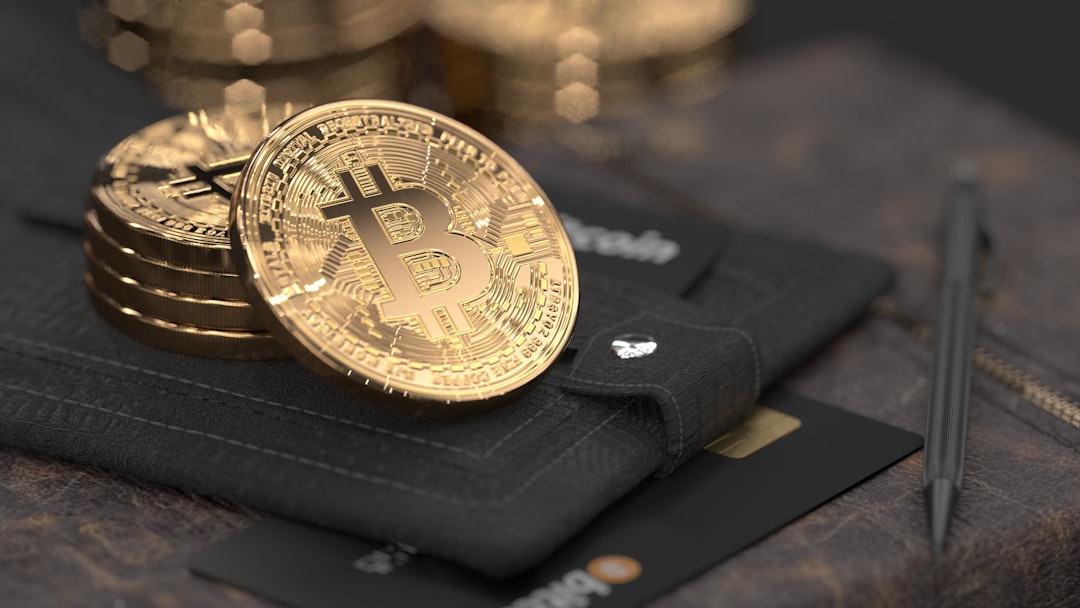
Photo by DrawKit Illustrations on Unsplash
Sarah received an email on a Tuesday morning that made her heart skip. A new cryptocurrency project was airdropping tokens to early supporters—completely free. All she had to do was connect her wallet to their website and verify her eligibility. It seemed legitimate. The website looked professional. The Twitter account had thousands of followers. Within minutes of connecting her MetaMask wallet, she watched helplessly as her $47,000 in Ethereum evaporated.
She wasn't alone. Sarah became one of thousands victimized by what has become a $14 billion per year scam industry hidden inside the seemingly innocent practice of cryptocurrency airdrops.
What Happened to Airdrops—When Free Money Became a Trap
Legitimate airdrops started as a genuine marketing tool. Projects like Uniswap and Lido genuinely distributed tokens to early users as thanks for their participation. When Uniswap dropped 400 UNI tokens to every address that had ever used their protocol in September 2020, some users found themselves suddenly wealthy. A person who traded once during the chaotic early days of the protocol suddenly held $2,000 in free tokens. It was the stuff of crypto mythology.
That mythology became catnip for scammers.
Today, scammers have industrialized the airdrop con. They create fake projects with real-looking branding, convincing Discord servers, and Twitter accounts with thousands of bot followers. They offer airdrops of non-existent tokens. The hook? You need to "verify your eligibility" by connecting your wallet—which gives the scammer's smart contract complete access to your funds. In crypto, connecting your wallet is handing over the keys to your house.
The statistics are staggering. According to blockchain security firm Certik, airdrop-related losses jumped 450% between 2021 and 2023. The average victim loses between $8,000 and $50,000. Some lose substantially more.
How the Con Actually Works (And Why It's So Effective)
The genius of the airdrop scam lies in its exploitation of human psychology and the inherent trust required to use crypto.
First comes the setup phase. Scammers create social media accounts and websites that mimic legitimate projects. They might impersonate a new layer-2 blockchain, a DeFi protocol, or a gaming token. They use professional graphics, copy language from actual whitepapers, and sometimes even hire people to manage Discord communities. The accounts gradually build followers—many of them bots, but bots nonetheless.
Then comes the announcement. "We're airdropping 50 billion tokens to early supporters!" The promise is irresistible, especially for newer investors who missed out on Uniswap or other genuine projects. People start sharing the link on Twitter and Reddit, accidentally amplifying the scam.
When someone clicks the airdrop link, they're presented with a clean interface asking them to connect their wallet. "Just verify you're human," it says. "Check your eligibility." Some even ask you to stake tokens temporarily as "proof" that you're a real user.
The moment a wallet connects, a pre-written smart contract springs into action. It doesn't just take the Ethereum in your wallet—it drains all connected addresses. Some sophisticated versions can even access tokens you've approved for other contracts. In seconds, everything is gone to a wallet controlled by the scammer, potentially traded for untraceable tokens, and moved off-exchange.
By the time the victim realizes what happened, the scammer has already moved the funds across multiple blockchains and exchanges.
The Real Victims: Why Newcomers Are Sitting Ducks
The cruelty of these scams is that they disproportionately target exactly who you'd think: people new to crypto who are still learning the rules.
A 34-year-old accountant from Portland told me about his experience. He'd been hearing about crypto for years but only started investing in 2023. He joined a Discord server for an upcoming "Web3 gaming project" and saw pinned messages about their airdrop. The community seemed active—hundreds of messages per hour. When he connected his wallet to check his airdrop allocation, he lost his entire $23,000 portfolio in less than a minute.
"I felt so stupid," he said. "But I didn't know the rules yet. I didn't know that connecting a wallet was the same as giving someone your private keys."
This is exactly what makes these scams so effective. In traditional finance, you're protected by layers of institutional safeguards. Your bank won't let someone drain your account just because you visited a phishing website. Your broker has regulatory oversight. But crypto is fundamentally different. There is no undo button. There is no fraud department to call. Once you connect your wallet to a malicious contract, the transaction is irreversible.
For newcomers, this is nearly impossible to understand intuitively. The barrier between looking and losing is invisible.
How to Actually Protect Yourself
The uncomfortable truth is that there's no perfect defense. But there are practical steps that reduce your risk dramatically.
First: never connect your main wallet to unverified projects. Create a separate "burner" wallet specifically for testing new platforms. Keep it empty except when you're actively using it. If you want to check an airdrop, move a small amount of ETH into the burner wallet, test the connection, and get the funds out immediately.
Second: verify through multiple sources. Legitimate airdrops are announced on official channels—the project's primary Twitter account, their official blog, pinned Discord messages from verified accounts. If you hear about an airdrop on a random tweet or community post, assume it's fake until proven otherwise. Check the project's official website and compare the URL character-for-character. Scammers use URLs like "uniswap-airdrop.com" instead of "uniswap.com."
Third: understand what you're actually clicking. If a website asks you to "connect your wallet," understand that you're giving it permission to move your tokens. If you wouldn't hand your physical wallet to a stranger, don't connect your digital one.
Fourth: use hardware wallets for serious holdings. A hardware wallet like Ledger or Trezor can't be drained by a malicious website. Even if you connect it to a scam site, the transaction requires physical confirmation on the device itself.
Finally: when something seems too good to be true, trust that instinct. Free money is exciting. That excitement is exactly what scammers are counting on.
The Bigger Picture: Why Crypto Keeps Making It Easy for Scammers
The airdrop scam exists because of fundamental properties of blockchain technology. Transparency and irreversibility are features that make crypto powerful—and they're also features that make recovery from theft essentially impossible.
Unlike traditional platforms where there's someone to call, someone to blame, someone who can reverse a transaction, blockchain is a system without apology. Once you've made a mistake, the mistake is permanent and visible to everyone forever.
This isn't going to change. The solution isn't for technology to become different—it's for users to become more careful. And that education gap between what's needed and what most people have is where scammers thrive.
If you want to explore crypto safely, you need to think like a security professional, not an investor. Question everything. Assume every unknown link is trying to steal from you—because increasingly, it probably is.
For more on securing your crypto assets, check out our article on why your crypto exchange account might already be compromised.
Comments (0)
No comments yet. Be the first to share your thoughts!
Sign in to join the conversation.