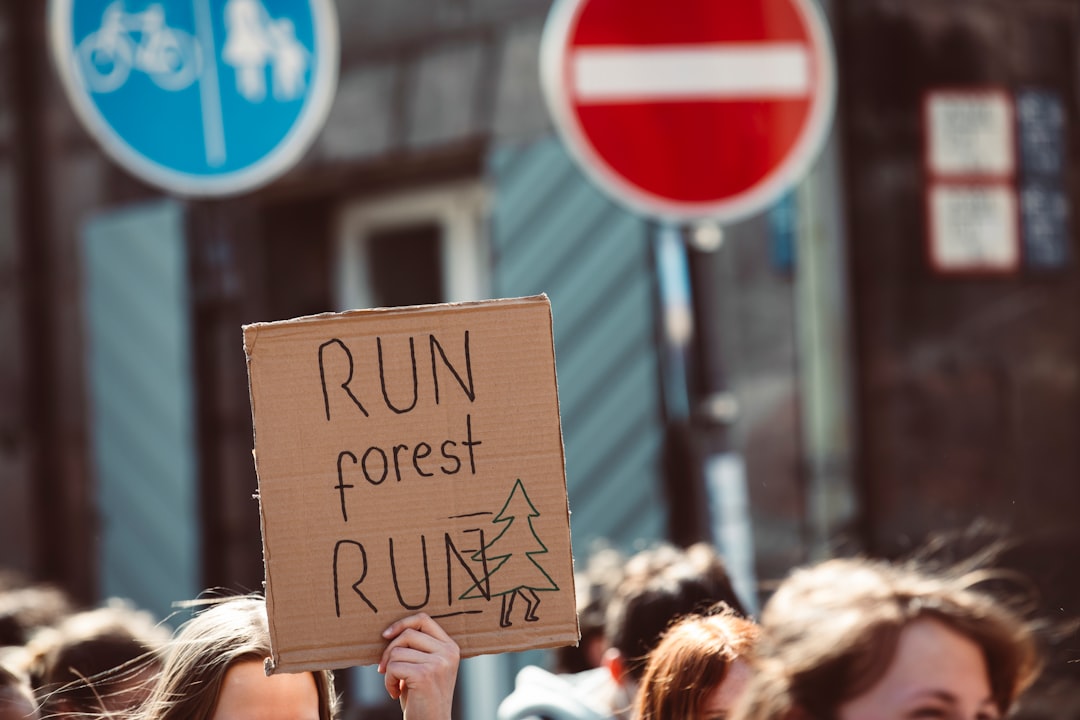
Photo by Markus Spiske on Unsplash
Last Tuesday, I watched a woman at gate B7 have a complete meltdown because her "basic economy" ticket meant she couldn't board with her husband and two children. They'd paid for the same flight. Same airline. Same day. But her five-year-old daughter? That required an extra $35 to sit together. The airline employee shrugged and pointed to the terms and conditions. The woman cried. I've never felt more ashamed to be a frequent flyer.
This is the new reality of commercial air travel, and it's far worse than most people realize. Basic economy—that deceptively innocent-sounding ticket tier—has become the airline industry's most aggressive revenue extraction tool. And unlike the outrage over legroom or checked bag fees, this particular scam operates in the shadows, buried in fine print that almost nobody reads.
The Silent Proliferation of Hidden Restrictions
When basic economy tickets first appeared around 2012, they seemed reasonable. You paid less, you got a smaller seat. Fair trade. But over the past five years, airlines have quietly added restrictions that are frankly absurd when you actually catalog them.
United Airlines won't let basic economy passengers select their seats—not even middle seats that everyone else avoids. American Airlines charges $15-$25 to carry a personal item if it's not a purse the size of a clutch. Southwest doesn't allow basic economy flyers to earn frequent flyer miles at the same rate. Delta requires you to pay extra if you want to board with your family, even if you're traveling with a lap child.
But here's what really gets me: these airlines don't advertise these restrictions as negatives. Instead, they've rebranded them as "features" of premium tiers. When you select a basic economy ticket, the website shows you what you're missing—premium boarding, seat selection, priority customer service—rather than what you actually get. It's psychological manipulation at scale.
According to a 2023 analysis by the Government Accountability Office, basic economy fares now account for approximately 35-40% of all ticket sales at major U.S. carriers. That's roughly 150 million passengers per year who are flying under these restricted conditions. Most of them probably don't fully understand what they've signed up for until they're at the airport.
The Fees Keep Multiplying Like a Virus
What infuriates me most isn't any single restriction—it's the cascading nature of these fees. You book a basic economy ticket thinking you've found a deal. Then, gradually, you realize you need to pay extra for almost everything.
Seat selection: $15-$25 per flight. Carry-on bag: $35-$50 on some carriers. Checked bag: $30-$40 first bag, more for additional ones. Priority boarding: $15-$40. Aisle seat selection: up to $40 on some airlines. Advance boarding for families with children: $30-$50 on certain routes.
I personally experienced this nightmare on a flight from Chicago to Boston last month. I booked what appeared to be a $89 ticket with Spirit Airlines. By the time I added a carry-on bag ($40), selected a seat that wouldn't put me in the middle section ($15), and paid for priority boarding so I wouldn't be literally the last person on the plane ($30), my "budget" ticket had become a $174 ticket. That's a 95% markup.
The average basic economy passenger now pays an additional $50-$100 per flight in ancillary charges, according to aviation consultant Robert Mann. For a family of four flying cross-country, those additions can easily exceed $400. At that point, you're paying nearly as much as standard economy, but with the indignity of being treated as second-class.
The Humiliation Factor Nobody's Talking About
There's an element to this that goes beyond the financial. Basic economy passengers are treated visibly differently at the airport, and everyone knows it.
You're called to board last, long after every other passenger. You stand in the gate area watching families sprint to the plane while you wait. When you finally board, you're squeezing past people already settled in their seats. Then you're stuck in the back rows, where you can smell the bathrooms and hear every turbulence announcement with maximum acoustic impact.
The flight attendants don't smile at you the same way. The overhead bins in your section fill up first because you're the last to board. You watch premium economy passengers get free water and snacks while you're offered a packet of pretzels for $8.
I watched a man in his 70s board last on a basic economy ticket and visibly wince as he lugged his carry-on down the narrow aisle. A first-class passenger actually stepped aside to let him through, and there was this awkward moment where the disparity in treatment was just... laid bare. We'd all paid to sit on the same airplane. But we weren't being treated like it.
Why This Feels Different Than Other Travel Complaints
You might wonder: why am I writing about airline fees when there are legitimate complaints about everything from forgotten subscription charges to hotel resort fees?
The difference is scale and inevitability. If you don't like a streaming service, you cancel. If you hate a hotel, you pick another one next time. But basic economy has fundamentally corrupted the airline industry in a way that affects almost everyone.
Airlines have created an illusion of choice through aggressive price differentiation. The $89 fare you see advertised? It's a trap. It's designed to be incomplete, broken, unsustainable. The real economy fare is now $150-$200. Basic economy is a bait-and-switch dressed up in corporate buzzwords.
What bothers me most is that this strategy works because passengers are atomized. You can't organize a boycott of basic economy. Millions of people are silently angry, individually enduring these indignities, assuming it's just how flying works now. We've normalized the humiliation.
The Path Forward (Such As It Is)
I don't have an optimistic conclusion here. Regulation is unlikely because airlines fund political campaigns. Market pressure is unlikely because low-cost carriers like Spirit and Frontier have proven that enough people will tolerate basic economy abuse to fill planes. Consumer complaints get lost in the void of customer service ticket systems.
All I can suggest is awareness. Before you book that suspiciously cheap flight, read the actual terms. Calculate what it'll really cost. Choose airlines that don't play games with basic economy—though increasingly, there aren't many left.
And maybe, occasionally, choose to drive instead. Vote with your wallet. Make these airlines work for your business instead of assuming you're a captive audience.
Because until we stop pretending basic economy is a legitimate product rather than a predatory scheme, the humiliation and the nickel-and-diming will only get worse.
Comments (0)
No comments yet. Be the first to share your thoughts!
Sign in to join the conversation.