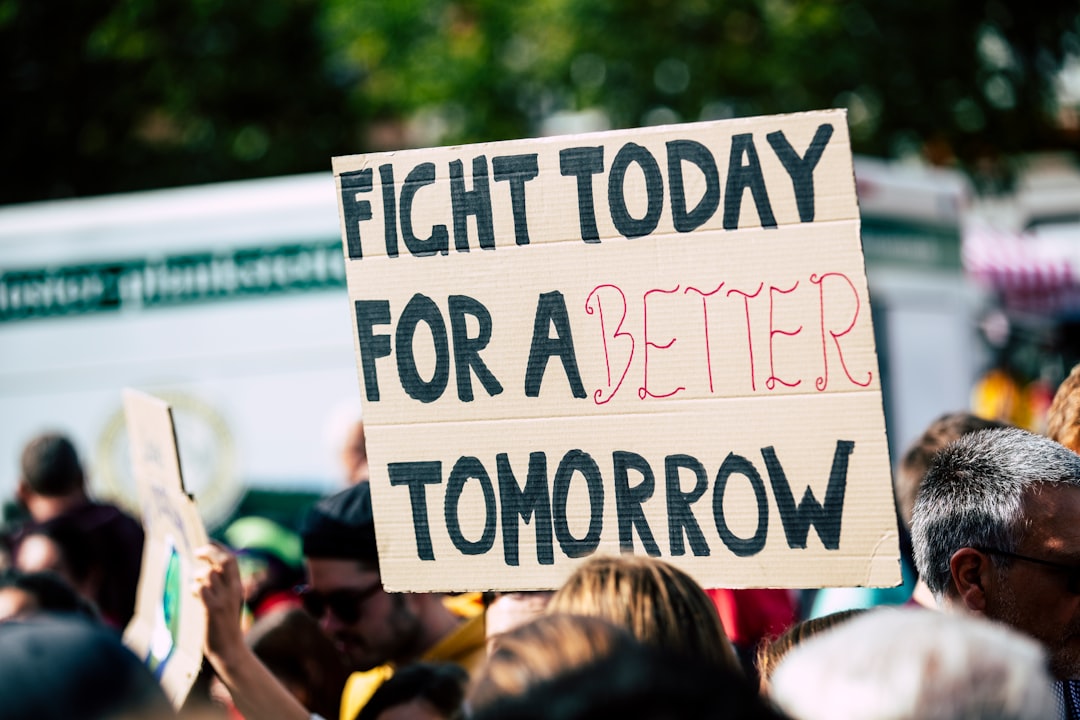
Photo by Markus Spiske on Unsplash
The email arrived on a Tuesday morning with subject line enthusiasm that made me suspicious: "Your FitFlow Premium box ships this Friday!" I hadn't ordered anything. I definitely hadn't signed up for a monthly subscription to receive mystery wellness products I never asked for. But there it was—confirmation of a charge that would recur every 30 days unless I took action immediately. This is the modern complaint nobody saw coming: wellness subscription services that trap people in renewal cycles more effectively than the best magicians in Vegas.
How I Accidentally Became a Wellness Subscription Customer
Here's where it gets infuriating. During a moment of weakness at 11 PM, I'd purchased a single wellness box from a company called "GlowUp Essentials" for $39.99. Their website was intentionally designed to make the purchase process feel casual and temporary. The product page featured glowing testimonials, before-and-after photos, and language about "trying it risk-free." What I missed—buried in pale gray text on a white background—was a checkbox pre-selected to enroll me in their monthly subscription program. By the time I realized what happened, I'd already been charged twice.
According to the FTC, I'm not alone in this nightmare. In 2023, the Federal Trade Commission received over 3.4 million complaints about negative experiences with subscription services. That number has only grown. These aren't niche complaints either. People across age groups, income levels, and technical proficiency are finding unwanted monthly charges appearing on their credit card statements. The subscription box industry, valued at $478 billion globally, thrives partly because cancellation is deliberately difficult.
The Cancellation Process: A Study in Customer Service Gaslighting
Canceling my subscription should have been simple. It wasn't. The website had no obvious cancellation button. No "manage subscription" link. No straightforward opt-out process. Instead, I found a FAQ section suggesting customers "contact our support team." The email address listed was generic, and when I wrote to cancel, I received an automated response: "Thank you for reaching out! A team member will respond within 3-5 business days."
Seven days passed. No response. I tried calling the phone number listed on my credit card statement. The menu system was a maze of options, none of which said "cancel subscription." After 18 minutes on hold listening to royalty-free meditation music—the irony wasn't lost on me—a representative named Derek offered me a "one-month pause" instead of cancellation. When I insisted on actual cancellation, he transferred me to another department. That transfer dropped the call.
This pattern is so common it has a name: "negative option abuse." Companies deliberately make cancellation harder than enrollment. Some require you to cancel in writing via certified mail. Others force you to call during specific hours. A 2024 investigation by the New York Times found that 72% of subscription services bury cancellation options so deeply that customers spend an average of 16 minutes trying to locate the process. That's not a bug in their customer service. It's the feature.
The Product Problem: Wellness Boxes Filled with Garbage
Once I finally managed to cancel (it took a second phone call, aggressive politeness, and asking to speak to a manager), I still had two boxes of products to deal with. The first box contained a jade roller that cost approximately $2 to manufacture, a bottle of generic moisturizer with no clear ingredient list, and something labeled "Crystal Energy Essence" that appeared to be expensive salt water. The second box was marginally better but still packed with products that feel like they were designed to appeal to people desperate for solutions.
What bothered me most wasn't the low quality. It was the implicit messaging. Wellness subscription boxes market themselves as personalized solutions to real problems—aging skin, low energy, poor sleep, anxiety. But they're actually selling the same mass-produced products to thousands of people every month, regardless of whether those products align with individual needs or skin types. The personalization is an illusion. The transformation is a fantasy. And customers like me end up with drawers full of unused products and depleted bank accounts.
The wellness industry is worth examining more broadly. Similar frustration applies across other subscription models too—you might want to check out our piece on how technology companies intentionally design systems that blame consumers, because that same philosophy extends to subscriptions.
Fighting Back: What Actually Works
After this experience, I became obsessive about understanding my rights. Here's what I learned that actually works: First, contact your credit card company immediately when you discover an unwanted charge. Most card issuers will reverse charges for unauthorized recurring subscriptions. Second, document everything. Screenshot the confirmation emails, the burial of opt-out information, all communication attempts. Third, if the company doesn't respond, file a complaint with the FTC at reportfraud.ftc.gov. They're taking this seriously now, and they need documented examples.
I also learned to be more skeptical about any wellness product that needs a monthly subscription to work. If a skincare routine requires constant new products and surprise boxes to be effective, it's not actually working. Real solutions are usually simpler, cheaper, and don't require auto-renewal.
The Bigger Picture: When Convenience Becomes Exploitation
Subscription models aren't inherently evil. Legitimate services—streaming platforms, software, actual value-add subscriptions—can work beautifully. But the wellness industry has weaponized the subscription model. They're counting on customer inertia, confusion, and the embarrassment factor that keeps people from fighting back. Who wants to admit they got trapped by a jade roller subscription?
The FTC's recent enforcement actions show there's momentum toward accountability. In 2023, they charged major companies including Amazon and others for deceptive subscription practices. But enforcement moves slowly, and new companies keep adopting the same playbook.
My advice? Read every checkbox before submitting payment. Assume any "free trial" comes with automatic enrollment. Keep detailed records. And remember: a company that makes cancellation harder than enrollment isn't serving your wellness. They're serving their revenue targets. That box arriving on your doorstep might promise transformation, but the real transformation happens when you reclaim control of your own subscriptions.
Comments (0)
No comments yet. Be the first to share your thoughts!
Sign in to join the conversation.