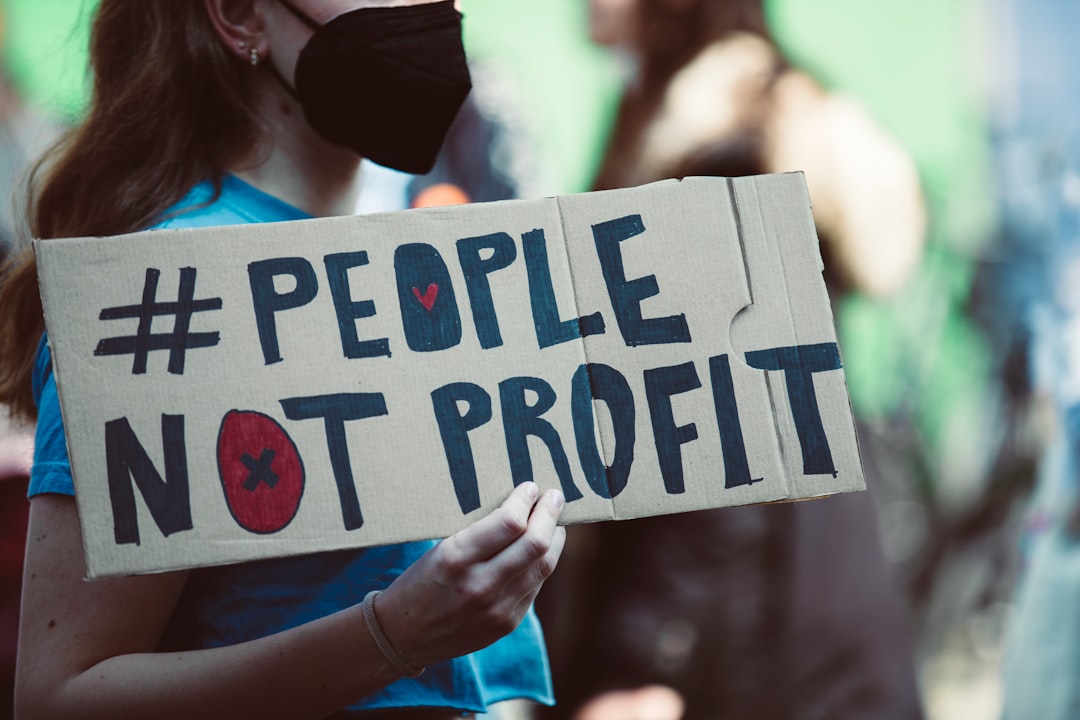
Photo by Markus Spiske on Unsplash
I spent forty-five minutes last Tuesday trying to cancel a gym membership I hadn't used since 2019. Forty-five minutes. Not because the cancellation process was complicated—though it was—but because the gym had engineered it that way on purpose. This isn't a complaint about one bad gym. This is about an industry-wide conspiracy that's become so normalized we barely notice it anymore.
The Architecture of Inconvenience
Companies have turned cancellation into an obstacle course, and they're doing it intentionally. Research from the AARP found that 25% of consumers say they've been unable to cancel subscriptions even after multiple attempts. Think about that number for a second. One in four people trying to cancel something they're paying for can't actually do it.
The methods vary, but they all follow the same playbook. Some companies hide cancellation options so deep in their settings that you need a map and a flashlight to find them. Others require you to call during "business hours"—which somehow never align with when normal humans are awake. A streaming service I use requires you to go through four different menu screens, answer security questions, and then wait for a confirmation email that takes 48 hours to arrive. By that point, most people have given up and just kept paying.
Then there's the bait-and-switch approach. You sign up for a free trial, thinking you'll cancel before the charges start. But the cancellation button only appears after you've already been charged. Some services make you jump through customer service hoops, hoping you'll exhaust yourself and just accept another month of charges. I've heard countless stories of people who called to cancel and were immediately transferred to a "retention specialist" who could only transfer them to another department, which transferred them again, until they either hung up in frustration or accidentally agreed to continue their subscription.
The Financial Exploitation Machine
This isn't incompetence. This is revenue optimization. Every day someone forgets to cancel, every person who gives up halfway through the process, every customer who doesn't see the charge on their credit card statement—that's money in the company's pocket.
A 2023 study found that Americans lose an estimated $15.2 billion annually to unwanted subscription charges. Billion. With a B. That's not from people who wanted to pay—that's from people who actively tried to cancel but couldn't, forgot about the subscription, or couldn't navigate the maze the company designed.
Software companies are particularly egregious offenders. I signed up for a productivity app that promised a "simple" cancellation process. Simple for whom, exactly? The cancellation email bounced. The support form disappeared after I filled it out. When I finally got through to a human, they told me I needed to contact a different department. That department informed me my subscription couldn't be cancelled mid-cycle, even though I'd signed up just two weeks earlier. I had to wait 45 days to cancel something that started taking my money immediately.
What's genuinely infuriating is that companies know exactly what they're doing. They've A/B tested every friction point. They know that if cancellation takes 15 minutes instead of 30 seconds, X number of people will give up. They know the exact wording that makes people hesitate. They've calculated the lifetime value of customers they retain through sheer exhaustion versus the reputation damage from bad reviews.
Why This Is Getting Worse, Not Better
You'd think consumer complaints would push companies to make cancellation easier. You'd be wrong. As subscription models have exploded across every industry imaginable, companies have become more aggressive, not less. Fitness clubs, meal prep services, software platforms, dating apps, even some news outlets—they've all adopted similar tactics.
The reason is straightforward: it works. CFOs care about retention rates and monthly recurring revenue. They don't care that you're furious. Your anger isn't measured in their quarterly reports. Shareholder value is.
Some states have tried to fight back. California's Automatic Renewal Law requires companies to make cancellation "as simple" as the signup process. But "as simple" is vague enough that companies have found workarounds. New York passed similar legislation in 2023, and other states are following suit. The problem? Enforcement is nearly impossible. There are millions of subscription services, and regulators are understaffed and underfunded.
What Actually Happens When You Try to Cancel
Let me walk you through a real example. A friend tried canceling a subscription box service last month. The website said to cancel via their app. The app said to visit the website. The website customer service chat referred her to email support. The email came back two weeks later saying her account had already been charged and she'd have to wait until next month to cancel. She paid for a month of something she never wanted because the company made it mathematically impossible to get out of it.
This is the norm now. Companies are betting that most people will just keep paying rather than spend hours fighting a system designed to make them quit. And statistically, they're right. For every person who persists long enough to actually cancel, there are dozens who give up, and a few who don't even notice the charges.
The Path Forward
Real change requires pressure from multiple angles. First, documentation matters. If a company has made it genuinely impossible to cancel, that's fraud. Screenshot everything. Save emails. Build a record. Second, credit card companies have dispute resolution processes. You have more power than you think. If you can prove you attempted to cancel and the company continued charging you, your credit card company can often reverse those charges.
Third, public shame works. Bad reviews on app stores, social media complaints, and word-of-mouth damage do eventually force companies to change. A viral TikTok about how impossible it is to cancel a service has real consequences for those companies. They've learned this the hard way.
If you're reading this and thinking about a subscription you've been meaning to cancel, stop. Actually do it today. Don't put it off. Write down exactly what the process was. If it took more than two minutes of active effort, that's a company that's trying to trap you. They're counting on your procrastination. Don't give them your money.
For a deeper look at how companies design these systems to extract maximum value from you, check out The Phantom Refund: Why Your Money Disappears Into Corporate Black Holes. The tactics are surprisingly similar.
Comments (0)
No comments yet. Be the first to share your thoughts!
Sign in to join the conversation.