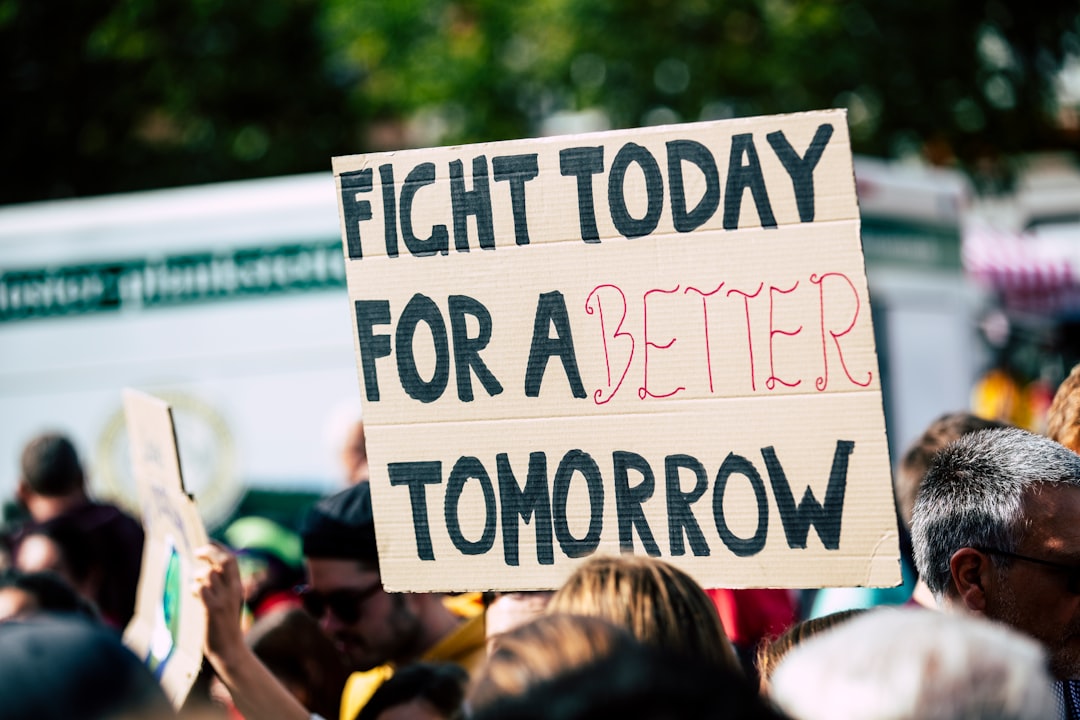
Photo by Markus Spiske on Unsplash
It started innocently enough. Netflix arrived at your door in 2015, and it was revolutionary. One subscription. Thousands of movies. You felt like you'd cracked the code on entertainment, finally escaping the tyranny of cable television and its $150 monthly bills.
Now, in 2024, you're worse off than you ever were.
Let's do the math. Netflix Premium is $22.99 a month. Disney+ is $13.99. Hulu, $7.99 (ad-supported, but you know you'd rather pay $14.99 for ad-free). HBO Max is $19.99. Apple TV+ snuck onto your bill at $9.99. Paramount+ wants $11.99. Amazon Prime Video, which you mostly use for shipping, is $14.99 a month. Then there's Peacock ($6.99), Paramount+, the WWE Network ($9.99), and that one service you signed up for to watch exactly one show and haven't canceled in three years. By conservative estimates, you're spending between $180 and $250 monthly on streaming services.
Cable is starting to look affordable again.
The Bait and Switch Nobody Talks About
The streaming wars of the late 2010s were supposed to be a consumer victory. Netflix had proven the model worked. Surely competition would drive prices down and quality up, right?
Wrong.
What actually happened was calculated corporate chess. Every major media company—Disney, Warner Bros., Paramount, NBC—realized they needed a streaming presence to survive. So they all launched their own services. Then they did something particularly ruthless: they yanked their content off Netflix and other competitors.
Suddenly, if you wanted to watch The Office, you needed Peacock. Want Marvel content? Better subscribe to Disney+. Game of Thrones? That's HBO Max. The Mandalorian? Apple TV+. They fragmented the entire catalog across incompatible platforms, forcing us to either pay for everything or accept perpetual FOMO.
A 2023 survey by Deloitte found that the average American household was subscribed to 5.5 streaming services. The same report noted that 62% of subscribers admitted to switching their subscriptions monthly just to keep up with what they wanted to watch. We're no longer subscribing to services—we're engaging in subscription roulette.
The companies knew exactly what they were doing. They understood that after we hit five or six services, most of us would just... stop canceling. The friction of unsubscribing, combined with the faint hope that we might use it again next month, creates a psychological inertia that's incredibly profitable for them.
The Cancellation Theater That Awaits You
You've decided enough is enough. You're going to cut back to just three or four services—the ones you actually use. Noble goal. Prepare to be disappointed.
Some services make cancellation relatively painless. Others? They've turned it into an odyssey of deliberately obtuse design. I recently tried canceling a streaming service I'd had for two years. The app didn't have a visible "cancel" button. I had to go to the website. The website redirected me to a page that asked, repeatedly, if I was sure. Then it offered me a 50% discount for three months, presented in such a way that I had to explicitly reject it before proceeding.
Eventually, I got to the actual cancellation confirmation. It took four pages and approximately seven minutes total.
This isn't incompetence. This is design strategy. Amazon Prime Video, for example, makes you click through multiple screens asking if you want to keep your shopping benefits. Adobe is infamous for their cancellation complexity—reports indicate it can take 20+ minutes to actually cancel a subscription. The Federal Trade Commission has gotten involved, proposing rules to make cancellation as easy as signup, but enforcement remains weak and progress slow.
According to a 2023 Consumer Reports analysis, 27% of people who tried to cancel a subscription service reported difficulty doing so. Some reported being charged months after they thought they'd canceled. Others never received confirmation that their cancellation went through.
Why Your Wallet Keeps Taking Hits
There's another layer to this nightmare: price increases. Remember when Netflix was $7.99 a month? When HBO Max launched at $14.99 and felt like a luxury splurge?
Netflix has raised prices 16 times since 2010. Their basic plan has gone from $7.99 to $11.99. Premium is now $22.99. Disney+ raised prices from $7.99 to $13.99 within three years of launch. These aren't annual increases of a few percentage points—they're dramatic hikes that often come with reduced features (Netflix removed their cheapest plan entirely in some regions).
The truly insidious part? These increases happen quietly. You don't get a choice. They just show up in your bank statement. Unlike cable, where the bill was transparent and itemized, streaming bills quietly escalate in your email notifications.
Meanwhile, the content quality hasn't improved proportionally. If anything, streaming services have become more conservative with greenlighting new shows, more willing to cancel series after one or two seasons, and increasingly willing to remove content entirely from their libraries. (Yes, they're erasing shows you paid to watch, sometimes without warning.)
The Real Cost of Convenience
Nobody forced us into this situation. We made individual choices that felt rational at the time. Sign up for Disney+ to watch The Mandalorian. Add HBO Max for the HBO prestige content. Grab Apple TV+ when the free year trial ended.
But these weren't truly individual decisions—they were orchestrated by billion-dollar corporations explicitly designing systems to extract maximum value while minimizing friction and visibility. If you're struggling to understand where your $200+ monthly streaming budget actually goes, that's not your fault. It's engineered that way.
The cruel irony is that we abandoned cable TV specifically to avoid this situation. We wanted to pay only for what we watched. Instead, we've created something arguably worse: dozens of micro-subscriptions that add up to cable prices, with worse content discovery, more cancellation friction, and the constant anxiety of wondering if the show we want to watch is on the service we already pay for.
Some of us are fighting back. A growing movement toward password-sharing crackdowns, account reviews, and subscription tracking apps suggests people are getting tired of the charade. But until the streaming industry faces actual regulation (like the predatory subscription practices that the FTC is starting to scrutinize in fitness memberships), expect this to continue getting worse.
Your entertainment budget didn't spiraloutof control by accident. You were simply walking down a carefully constructed path. The only question now is whether you're going to stop walking and demand a better way forward.
Comments (0)
No comments yet. Be the first to share your thoughts!
Sign in to join the conversation.