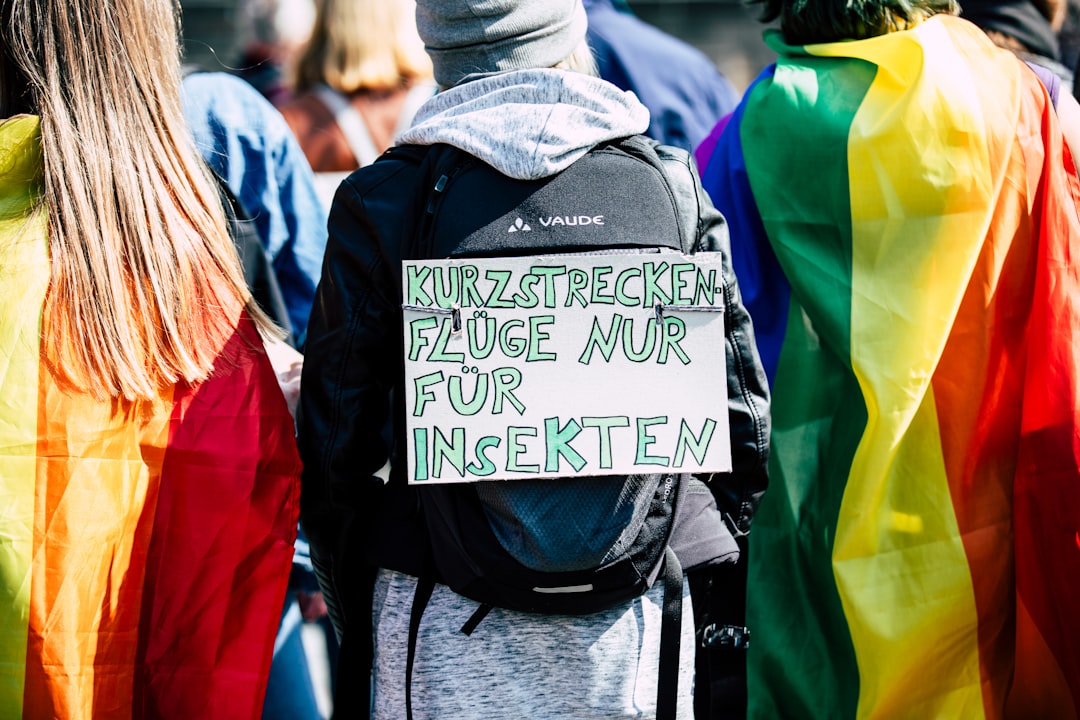
Photo by Markus Spiske on Unsplash
I watched my 65-year-old mother nearly break down at the Denver airport ticket counter when she was informed that her second carry-on bag—a small rolling suitcase she'd owned for fifteen years—would cost her $35 extra. She wasn't checking luggage. She wasn't flying first class. She was simply trying to bring a change of clothes for a three-day visit to see her grandchildren. The ticket agent delivered this news with the emotional investment of someone reading nutritional information off a cereal box.
That moment crystallized something I'd been noticing for years: airline baggage fees have become the most aggressive, most normalized form of financial deception in modern travel. It's not a fee—it's a psychological manipulation wrapped in fine print.
How We Got Here: The Great Fee Explosion of 2008
Back in 2008, American Airlines made a seemingly innocent decision. With fuel prices skyrocketing and the financial crisis tightening every margin, they introduced a charge for checked bags. Just $15. Reasonable, right?
Wrong. What followed was the fastest industry-wide collapse of customer service logic I've ever witnessed. Within months, every major airline copied the strategy. By 2009, checked baggage fees generated $581 million for U.S. airlines. Today? That number exceeds $5.5 billion annually. Let that sink in for a moment—that's $5.5 billion extracted from travelers, money that largely didn't exist as a separate charge fifteen years ago.
The truly maddening part? Airlines didn't become more profitable in a sustainable way. They just found a new revenue stream that passengers had no choice but to accept. You can't fly without baggage (usually), and you can't negotiate with the airline at the gate.
The Pricing Trap That Nobody Talks About
Here's what really infuriates me about baggage fees: the advertising deception surrounding them. When you search for a flight on Google Flights or Kayak, you see a price. Let's say $287 for a round trip. You think, okay, that's reasonable. You book it. Then during checkout—after you've committed your time to the purchasing process—the fee structure appears like a surprise villain in act three.
First checked bag: $30. Second checked bag: $45. Carry-on? Free. But wait—overweight bag (over 50 lbs)? That's another $100. Oversized bag? Another $100. These aren't rare charges either. According to 2023 data from the U.S. Department of Transportation, United Airlines alone collected $842 million in baggage and seat selection fees.
The sneaky part? These fees vary by airline, by route, by booking method, and sometimes seemingly at random. Spirit Airlines charges $43 for the first carry-on bag if you don't purchase their "Big Front Seat" fare. Frontier charges differently based on whether you book directly on their website versus through a third party. Basic Economy fares on American Airlines include one carry-on but no checked bags.
Passengers are essentially playing financial guessing games with their travel plans.
The Ripple Effect Nobody Calculated
Beyond the obvious frustration, baggage fees have created genuinely dangerous situations. I've personally witnessed travelers trying to cram three weeks of clothing into a single carry-on bag, creating fire hazards in overhead bins. Flight attendants report constant conflicts over luggage space. Some people overstuff bags to the point of potential injury while hoisting them overhead.
Then there's the equity problem. Business travelers with company expense accounts don't feel these fees. Wealthy vacationers can absorb them without stress. But families? Budget travelers? Elderly passengers traveling to funerals or medical appointments? They either pay reluctantly or make compromises that affect their trip quality.
I spoke with a teacher from Phoenix who told me she now travels with a minimalist approach because baggage fees have made trips more expensive than the hotel stay itself. A family of four traveling for a week might pay an additional $400-500 just to bring their belongings. That's real money that changes behavior, that prevents trips, that makes flying less accessible.
Why This Feels Different Than Other Fees
You might argue, "Well, there are fees everywhere. Why single out baggage fees?" Fair question. The difference is transparency and necessity. When you buy a movie ticket, you see the price and choose to buy or not buy. With flights, you're already committed emotionally before baggage fees appear in your booking summary.
Also, these fees are applied to something completely within the airline's control—the weight and space of items passengers bring aboard. They're not passing along increased costs to the customer; they're creating a new revenue stream from an essential part of travel.
What's more infuriating is that airlines have essentially removed baggage from the service they claim to be providing. They charge $287 for the flight but don't include the actual transportation of your belongings. It's like paying for a restaurant reservation and then being charged per bite.
Related to this issue of hidden fees, you might want to read about how subscription services continue billing long after cancellation—another form of modern financial manipulation that deserves our attention.
What Actually Needs to Change
This isn't about entitlement. Reasonable people understand that airlines need to make money. But the current system is built on confusion and surprise, not transparency. Here's what should happen:
First, baggage fees must be included in the advertised price, or displayed prominently before any booking commitment. No more surprise fees at checkout. Second, there should be industry standards—if one airline charges $30 for a checked bag, they all should, so passengers can make informed comparisons. Third, basic baggage (one checked, one carry-on) should be included with the ticket price, full stop.
We normalized these fees too quickly. We accepted them as inevitable instead of pushing back. Now $35 to bring a second suitcase seems normal, which is absolutely wild when you think about it.
The 2008 decision by American Airlines wasn't just a fee—it was a permission structure that allowed the entire industry to recalibrate what travelers would tolerate. Fifteen years later, we're still paying the price.
Comments (0)
No comments yet. Be the first to share your thoughts!
Sign in to join the conversation.