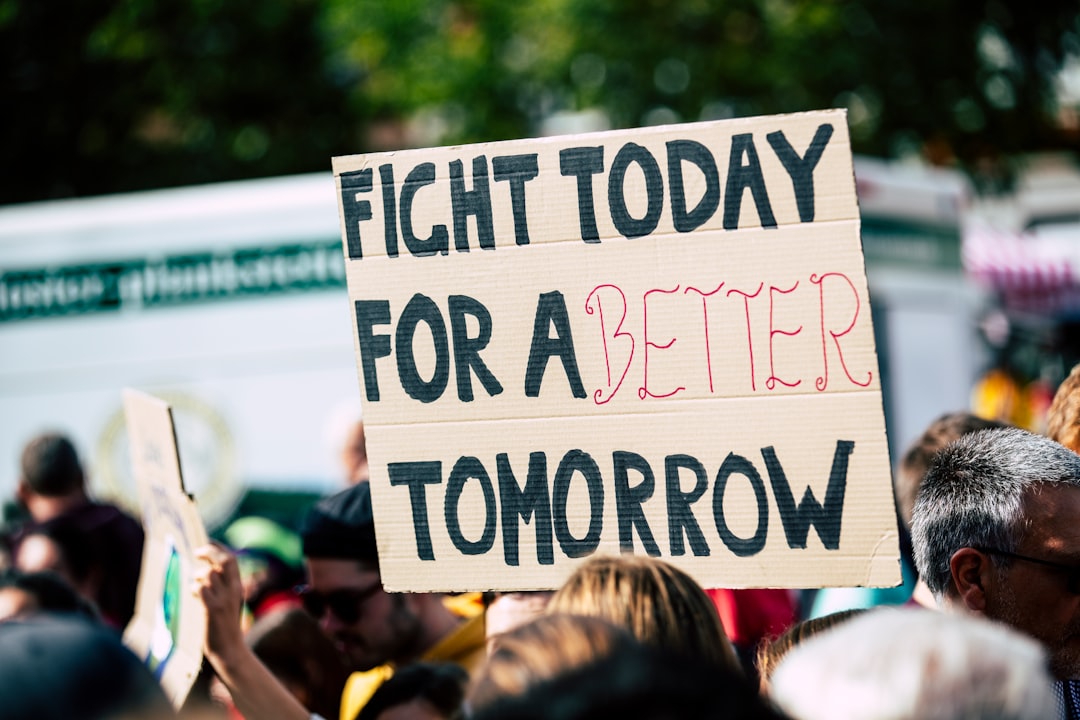
Photo by Markus Spiske on Unsplash
Last Tuesday, Sarah noticed a $14.99 charge from a streaming service she'd supposedly canceled six months prior. When she logged in to check her account, the service welcomed her back as if nothing had happened. "You never actually left," the interface seemed to say. She wasn't alone. According to a 2023 survey by the Federal Trade Commission, approximately 70% of Americans who attempted to cancel a subscription service experienced unexpected charges afterward. That's not a glitch. That's a feature.
The Intentional Maze of Cancellation
Streaming services have perfected the art of making cancellation deliberately difficult. Unlike signing up—which typically takes ninety seconds and three clicks—canceling often requires navigating through multiple confirmation screens, loyalty offers, and guilt-trip messaging. Some platforms hide the cancellation option so deep in account settings that users give up before finding it.
Netflix buried their cancellation button in a subsection titled "Plan Details," then added another layer by asking users why they're leaving and offering discounted rates to stay. Amazon Prime keeps the cancellation option intentionally separate from the regular membership dashboard. Hulu requires you to click through at least four different screens before confirming you actually want to cancel. These aren't accidents of poor user interface design. Companies employ entire teams of UX designers specifically to make cancellation paths more tedious than the signup process.
Marcus, a software engineer from Portland, spent forty minutes trying to cancel his Disney+ account. "I kept clicking what I thought was the cancel button, but it just kept offering me different deals," he explained. "When I finally found the actual cancellation page, they made me watch a video about why I should stay subscribed. It felt deliberately punitive."
The Surprise Charge Chronicles
Even when users believe they've successfully canceled, the charges continue. Sometimes it's a matter of billing cycle confusion—the cancellation takes effect at the end of your current billing period, not immediately. Fair enough. But many services exploit this window to keep charging customers who thought they'd already left.
Others employ what might be called "the free trial trap." A user signs up for a free trial, and when that expires, the service automatically converts to a paid subscription without explicit confirmation. The user receives an email notification, but it often gets buried in their inbox or sent to a spam folder. By the time they notice the charge, they've already been billed multiple times.
According to AARP research, over 45 million Americans report being unable to cancel a subscription they no longer wanted. The average person loses between $120 and $240 annually to forgotten subscription charges. That's not pocket change. That's money that could have gone toward rent, food, or actual services people genuinely use.
The worst offenders are companies that deliberately make cancellation phone-only, knowing that the process of calling customer service, waiting on hold, and explaining your situation creates enough friction that people simply give up. Some services have been caught by state attorneys general intentionally misrepresenting cancellation deadlines to trap customers into additional billing cycles.
Why This Practice Persists (And Why It Shouldn't)
The financial incentive is obvious. A streaming service with 150 million subscribers that keeps even 5% of them on the platform after they've attempted cancellation generates hundreds of millions in annual revenue. That's not just profit—that's money extracted through deliberately deceptive practices.
This behavior has caught regulatory attention. In 2023, the FTC proposed rules requiring companies to make cancellation as easy as signup. The rule would mandate that companies provide a simple, easily accessible cancellation method and require affirmative, explicit consent before charging customers. Several states, including California and New York, have already passed similar legislation.
Yet despite increasing regulatory pressure, the practices continue. Many services operate with the calculation that the fines levied by regulators cost less than the revenue generated by keeping unwilling customers trapped in billing cycles. It's a cynical business strategy that treats customers not as valued users but as revenue to be extracted.
If you're looking for other deceptive subscription practices that might surprise you, check out our article on The Gym Membership Trap: Why Canceling Is Harder Than Getting Fit—because streaming services certainly didn't invent this particular form of customer exploitation.
Protecting Yourself: A Practical Guide
Given the current state of subscription management, here's what actually works. First, keep a spreadsheet of every active subscription you have, including the billing date, amount charged, and the exact date you want to cancel. Yes, this sounds paranoid. You should be paranoid.
Second, screenshot the cancellation confirmation. The moment you see that "your subscription has been canceled" message, take a screenshot with the date visible. Some companies claim they never received cancellation requests. Documentation is your only defense.
Third, set a calendar reminder to check your credit card statement on the day you expect the final charge. If you see an unexpected charge, contact your credit card company immediately and dispute it. The chargeback process might be your only recourse.
Finally, consider using a credit card number generator for free trials. Services like Privacy.com allow you to create temporary card numbers that automatically decline when the trial period ends. It's a workaround that wouldn't be necessary if companies operated with basic honesty.
The Bigger Picture
What makes this situation particularly frustrating is that it's entirely solvable. A company that truly valued customer relationships would make cancellation instant and painless. They'd send confirmation emails with clear language about when charges will stop. They'd genuinely respect the decision to leave.
Instead, we've normalized the practice of extracting money from people who are trying to leave. The streaming industry has trained an entire generation of consumers to approach subscription management with suspicion and dread. That's not sustainable, not actually. Eventually, the accumulated resentment leads to chargebacks, regulatory intervention, and damaged brand loyalty.
Until companies face serious enough consequences to change their behavior, protect yourself like your money depends on it. Because it does.
Comments (0)
No comments yet. Be the first to share your thoughts!
Sign in to join the conversation.