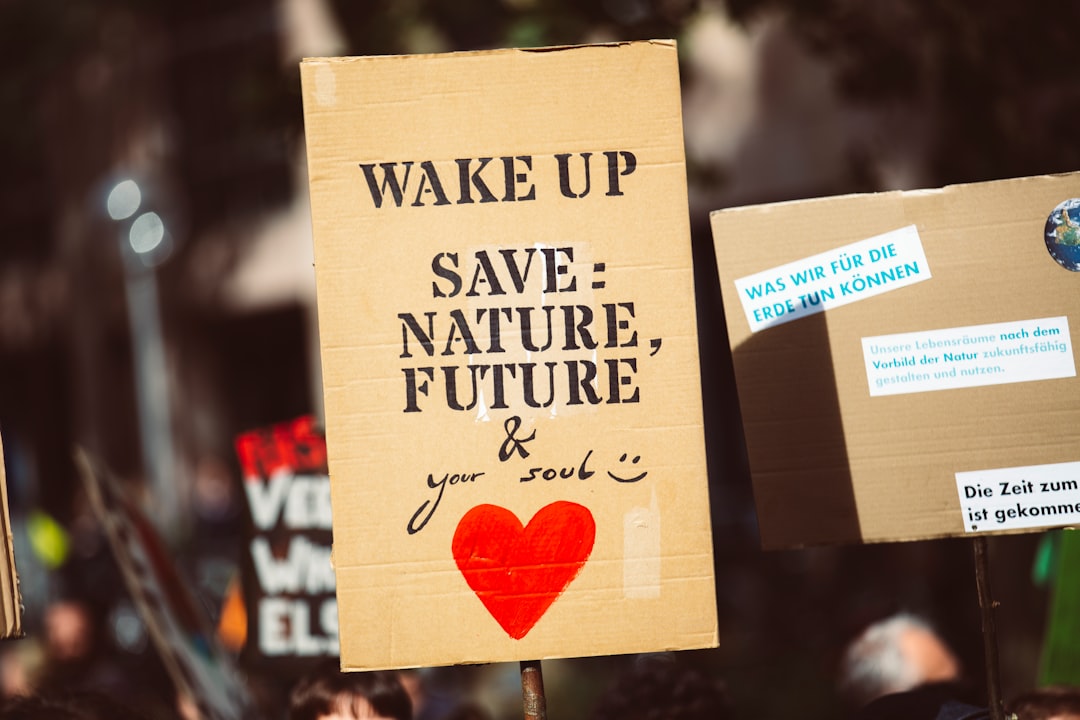
Photo by Markus Spiske on Unsplash
Last Tuesday, Sarah checked her bank statement and noticed a $14.99 charge from a meditation app she hadn't used since February. She spent forty minutes trying to cancel. Forty minutes. The app itself offered no obvious unsubscribe button. She had to create a support ticket, wait three hours for a response, click through four different links, and answer a series of questions about "why she was leaving." By the end, she'd spent more time canceling than she did meditating during the entire trial period.
Sarah's experience isn't unusual. It's standard operating procedure for thousands of subscription services that have perfected the art of making the exit door invisible.
The Architecture of Reluctance: Why Canceling Feels Like a Heist
The subscription economy has exploded. Americans now subscribe to an average of 9.8 paid services, according to a 2023 survey by Deloitte. That's everything from streaming platforms to meal kits to software tools to fitness apps. The market is worth over $500 billion globally. Behind these numbers sits a deliberate strategy: make signing up effortless and canceling deliberately complicated.
Companies aren't shy about this philosophy. It's literally written into their business models. When Robinhood went public, their SEC filings mentioned that reducing churn (cancellations) was critical to their revenue growth. Translation: they need you to stay subscribed whether you use the service or not.
The tactics vary, but they cluster around the same principle: friction. Lots of friction. Amazon Prime makes you click through a multi-step process that requires you to confirm you understand you're losing free shipping benefits. Hulu buries the cancel button so deep in account settings that many people simply forget they have an account. SiriusXM is infamous for requiring cancellations to happen over the phone only, then having customer service reps who are trained (and sometimes incentivized) to talk you out of it.
One user reported spending an hour on the phone with SiriusXM, during which the rep offered increasingly desperate discounts—50% off, then 60%, then "I'll throw in three months free." The rep never once said "okay, I'll process your cancellation." She had to explicitly demand it five times.
The Free Trial Bait-and-Switch That's Changed Everything
The free trial was supposed to be a customer-friendly innovation. Try the service risk-free for 14 days. If you don't like it, cancel. In theory, beautiful. In practice, free trials became the trojan horse that lets companies access your credit card information and auto-billing preferences.
Here's how it works: You see an offer for a 30-day free trial of a streaming service or productivity app. The sign-up process is slick and fast—about ninety seconds. Then day 31 arrives, and $9.99 hits your card. Or $19.99. Some people never even notice because the charge blends into their monthly billing cycle with dozens of other subscriptions.
The Federal Trade Commission has had enough. In 2023, they announced new regulations requiring companies to make cancellation "as easy as signup." They also require clear and conspicuous disclosures about material terms of the offer before charging you. But here's the thing: enforcement is slow, fines are small relative to company profits, and the regulations themselves are vague enough that companies can still find workarounds.
According a study from AARP, over 40% of people over 50 reported being charged for subscriptions they didn't remember signing up for. The actual number is probably higher across all age groups, but older adults are often targeted because companies assume they're less likely to notice or dispute the charges.
When "Customer Service" Becomes an Obstacle Course
Some companies have weaponized their customer service departments. Instead of helping you cancel, reps are trained to prevent it. At Planet Fitness, canceling your membership reportedly requires you to visit in person during specific hours. No phone, no email, no online form. If you're busy, have mobility issues, or live far from your nearest location, congratulations—you're paying for a gym you can't even quit without effort.
This strategy is so common it's basically an industry standard now. Equinox, ClassPass, Apple Fitness+—they all have their own cancellation hurdles designed to wear down your will to leave.
The psychology is deliberate. Companies bank on the fact that most people will give up rather than spend an hour on hold or navigate a labyrinth of customer service prompts. One woman reported trying to cancel her gym membership five times over two months. Each attempt required her to call a specific number, wait on hold for 30+ minutes, and speak to someone who tried to negotiate her stay. On her fifth attempt, she finally got through to someone who seemed willing to help. Then the line dropped.
What makes this particularly frustrating is that the same companies will send you a text message, email, or push notification within seconds when there's something they want to sell you. But reversing that transaction? Somehow that requires a committee, documentation, and an act of Congress.
The Legal Gray Area and What Actually Works
Here's where it gets interesting: the rules are changing, but inconsistently. California's "Automatic Renewal Law" (2017) requires that cancellation be "simple and unambiguous." New York, Illinois, and the FTC have similar rules. Yet thousands of companies still violate them regularly, banking on the fact that most people won't sue.
If you actually want to get out of a subscription, here's what works:
First, start with the app or website. Search for "cancel" or "unsubscribe." Don't look for a "settings" button or "account preferences"—that's where they hide it on purpose. If that fails, check your email for the original confirmation message. It should contain instructions for managing your subscription.
Second, if the company won't help, contact your credit card company or bank. You can dispute the charge and request that the merchant be blocked from future billing. This is called a chargeback, and it's completely legal. Companies absolutely hate this because banks charge them for every chargeback dispute, and multiple chargebacks can get merchants' accounts suspended.
Third, if you're being billed unfairly, the FTC website has a complaint form. Individual complaints might not trigger immediate action, but patterns do. A recent FTC lawsuit against Amazon Prime resulted in a $25 million settlement specifically because of their deceptive cancellation practices.
Why This Problem Persists Despite Regulation
The subscription economy is so profitable that companies treat fines as a cost of doing business. If a service makes $200 million a year from "accidental" subscriptions—people who forgot they signed up—even a $50 million fine is just a 25% reduction, not a deterrent. The incentive structure is broken.
Meanwhile, for those of us trying to manage our finances, we're in a constant state of subscription anxiety. How many apps do you have? Do you actually use them? When did you last audit your bank statement to find services you'd forgotten about? Most people can't answer these questions confidently.
The real solution requires both legislative action with actual enforcement teeth and consumer vigilance. Check your statements monthly. Treat cancellation like any other important transaction. And if a company makes it difficult, that's data worth remembering the next time you're deciding whether to use their service.
If you're tired of invisible fees and unclear terms, you might also be frustrated by companies' other financial tricks. Read about how airlines use luggage fees to hide the true cost of travel—another industry that perfected the art of the hidden charge.
Comments (0)
No comments yet. Be the first to share your thoughts!
Sign in to join the conversation.