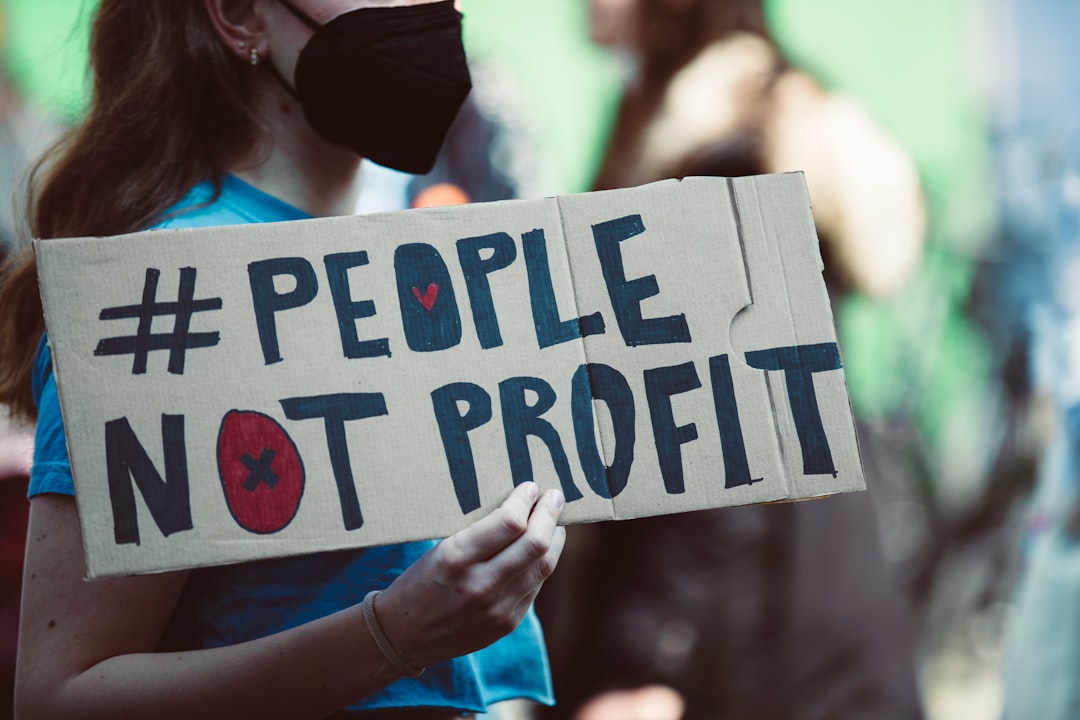
Photo by Markus Spiske on Unsplash
Last Tuesday, Sarah noticed a $14.99 charge on her credit card from a streaming service she'd canceled in February. She was certain she'd deleted the app, removed her payment method, and even received a confirmation email saying her subscription had ended. Yet there it was: another charge, bold and unapologetic, sitting in her transaction history.
She's not alone. According to a 2023 survey by the American Consumer Federation, approximately 28% of subscription service users reported being charged after cancellation. That's not a glitch. That's a business model.
The Deliberate Maze of Cancellation
Here's the thing about canceling a streaming service: it's surprisingly difficult. Netflix makes you click through four separate screens. Disney+ requires you to log in, navigate to account settings, find the subscription management section, and then confirm cancellation twice. Meanwhile, services like Paramount+ and Apple TV+ bury the cancellation option so deep in their menus that the average user gives up before finding it.
This isn't accidental design. Silicon Valley calls it "friction," and it's intentional. Every extra step increases the likelihood that you'll abandon the cancellation process, log out, and simply let the charges continue.
But the real problem emerges when you DO successfully navigate the cancellation labyrinth. The confirmation email arrives. You feel victorious. You move on with your life. Then the charges resume. Many services use what's technically called a "free trial period" that automatically converts to a paid subscription if you don't cancel before the trial ends. So even after you cancel, if your billing date hasn't arrived yet, the system keeps charging you.
The Billing Cycle Trap
Here's where the complaint gets legitimate: streaming services deliberately time your cancellation request against your billing cycle in ways that benefit them, not you.
Say you cancel on the 15th of the month, but your billing date is the 20th. Most services will charge you for the entire cycle before processing your cancellation. You get five more days of service you didn't want and planned to avoid. Multiply that by millions of subscribers, and you've got a revenue stream that's practically invisible to the individual customer but massive in aggregate.
Hulu's cancellation page even includes a warning: "You'll lose access to Hulu after your current billing period ends." Translation: we're still charging you even though you asked us to stop. Some users interpret this correctly. Many don't. They see the word "canceled" and assume the charges have stopped immediately.
I spoke with Marcus, a software engineer who took the time to screenshot his cancellation confirmation from HBO Max, only to discover three months later that he'd been charged $19.99 another four times. "The confirmation said my cancellation was effective immediately," he explained. "But apparently 'immediately' means 'whenever we feel like processing it.'"
When Customer Service Becomes Customer Avoidance
Trying to get a refund for phantom charges is where most streaming services show their true colors. Call their phone number, and you'll often discover there isn't one. Email their support team, and responses arrive two weeks later with templated apologies and zero actual help.
Peacock's support page literally says: "We're unable to process cancellations over the phone." So if you're being charged after cancellation, your only recourse is to email a support address that responds at glacial speed. Many users report waiting 30+ days for a single response.
Amazon Prime Video makes things even worse by bundling Prime Video into an Amazon Prime membership. Want to cancel just the video portion? Good luck finding it. Most people end up canceling their entire Prime membership and losing two-day shipping just to stop being charged for a service they don't use.
There's also the nuclear option: disputing the charge with your credit card company. This works, sometimes. But streaming services have learned to make this difficult too. They'll claim the charge was authorized, point to fine print in their terms of service, and let your credit card company sort it out while they continue charging you month after month, betting you'll give up before filing another dispute.
The Regulatory Gap That Nobody's Closing
You'd think there would be laws protecting consumers from this. And there are—sort of. The ROSCA Act (Restore Online Shoppers Confidence Act) requires companies to get express informed consent before charging subscriptions and to make cancellation "simple and straightforward."
Netflix and Disney+ technically comply with ROSCA by making cancellation possible. But "possible" and "easy" are different things entirely. The FTC has started cracking down—they fined Amazon $25 million in 2023 for making Prime cancellation intentionally difficult. But the fine was absorbed as a cost of doing business. For Amazon, $25 million is pocket change.
Most streaming services face no real consequences for phantom charges because individual users rarely pursue legal action over $15. That's the genius of the system. The amounts are just small enough to be annoying but too large en masse, yet too small per person to warrant hiring a lawyer.
This phenomenon isn't limited to streaming either. Similar complaints plague gym memberships, software subscriptions, and app services. It's a recurring complaint that feels systemic because it IS systemic.
If you want to see how this same tactic plays out in other industries, check out The Grocery Store Self-Checkout Trap: Why Stores Are Blaming You for Their Technology's Failures—a different medium, same infuriating principle.
What You Can Actually Do
If you want to avoid phantom charges, the best strategy is to not rely on cancellation at all. Instead, use a virtual credit card number that you can instantly deactivate. Services like Privacy.com generate unique card numbers for each subscription, so when you want to stop being charged, you simply close that card number. The subscription payment fails, and the service has no choice but to stop.
Keep screenshots of every cancellation confirmation. Document the date, time, and exact wording. If you're charged after cancellation, you have proof.
Report phantom charges to your state's attorney general and the FTC. Individual complaints matter less than aggregate patterns, but enough complaints eventually trigger investigations.
Most importantly, remember this: if cancellation requires hunting through menus, if the cancellation page includes warnings about future charges, if customer service is inaccessible—that's not incompetence. That's strategy. The system is working exactly as designed, and you're not the customer. You're the product being monetized through persistent, low-level fraud that's just barely legal.
Comments (0)
No comments yet. Be the first to share your thoughts!
Sign in to join the conversation.