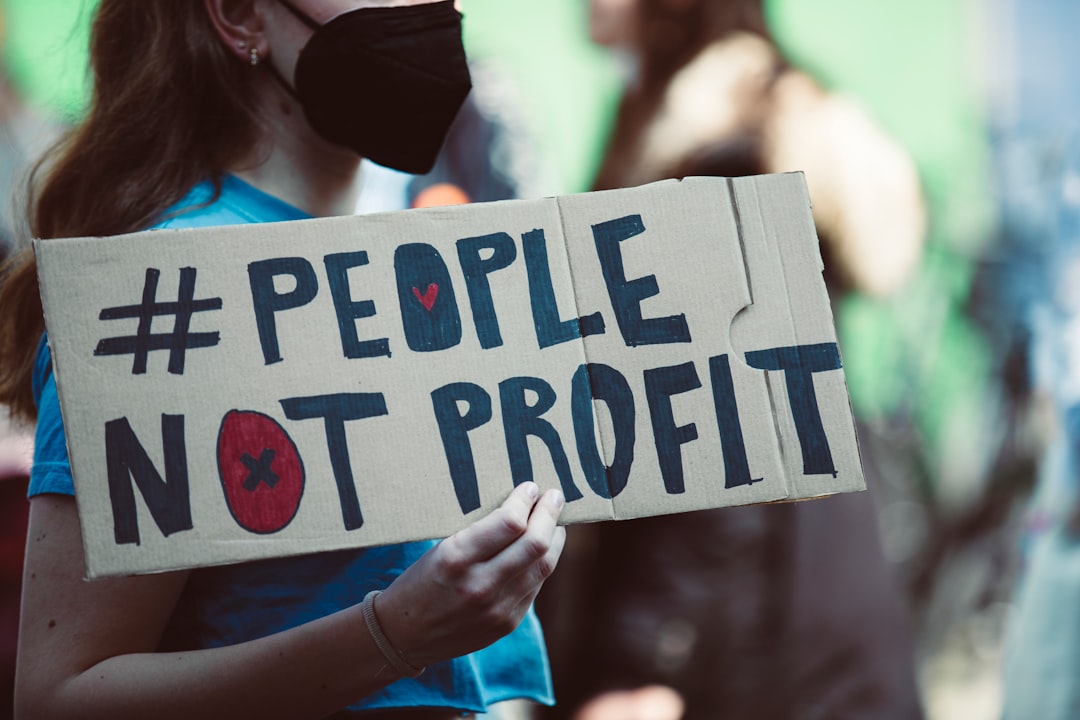
Photo by Markus Spiske on Unsplash
Last Tuesday, I discovered a $14.99 charge on my credit card from an app I hadn't opened in four months. The culprit? A meditation app I'd downloaded for a "free 7-day trial" back in April. I was certain I'd canceled it. Positive. Yet there it was, charging me monthly like clockwork, and apparently had been doing so for three consecutive billing cycles.
I'm not alone in this frustration. According to the Federal Trade Commission, subscription billing complaints have skyrocketed over the past five years, with consumers losing an estimated $1.4 billion annually to unwanted charges from apps and services they thought they'd already terminated. That's not a rounding error. That's a systemic problem.
The Art of the Disappearing Cancel Button
Here's what usually happens: You download an app. It offers you a spectacular deal—$0.99 for three months of premium features, or fourteen days free, or some other variation that sounds irresistible. The signup process takes maybe 30 seconds. Enter your credit card, tap confirm, and boom. You're in.
Then comes the invisible trap. Finding the actual cancellation process is like trying to locate the exit sign in a unfamiliar building at night. It's theoretically there, but nobody's made it obvious.
I tested this myself with five different subscription apps. One required me to navigate through seven different menus before finding the "Manage Subscription" option, which was buried inside the settings section under a category labeled "Account" rather than anything subscription-related. Another app made me scroll past twelve different premium upgrade offers before reaching a tiny "Cancel Subscription" button at the bottom of a screen. A third one—a fitness app I'd been using sporadically—didn't have a cancel option in the app at all. It made me go through the app store's web portal, which required me to sign in again, verify my identity, and wait through a loading screen that took an absurdly long time.
This isn't accidentally bad design. Companies know that friction kills cancellations. Every extra click, every buried menu, every confusing interface element is a feature, not a bug. The easier it is to cancel, the more people will do it. The harder you make it, the more people will just... give up and accept the charge.
The Deceptive Dark Patterns That Keep Your Money Flowing
Then there are the services that make cancellation technically possible but confusing as hell. One streaming service I used had a cancellation button that said "Pause Subscription" instead of "Cancel." When you clicked it, it paused your account for a month, but then automatically resumed charging you after 30 days without any confirmation email or warning. The company's reasoning? They were merely "pausing" the subscription, so you should have known it would resume.
Other apps employ what's called the "misleading refund" strategy. They'll claim they offer a money-back guarantee, but only if you contact customer service within 24 hours of purchase, during business hours, and only through a specific email address they don't advertise. Technically fulfilling a promise, but practically impossible to claim.
The psychology here is deliberate. Customer experience researchers call these "dark patterns"—interface designs that trick people into doing things they don't want to do. A 2019 study from Princeton and the University of Chicago analyzed 150 of the top e-commerce websites and found that 95% of them used dark patterns to make cancellation harder than signup. That same study noted that making unsubscribing as easy as subscribing would increase cancellations by approximately 25%.
Translation: Companies are choosing profits over ethical design, knowing full well they're keeping customers subscribed against their will through psychological manipulation.
When Customer Service Becomes Your Obstacle Course
Some companies have gotten so brazen they've eliminated self-service cancellation entirely. You have to call a phone number. Not a toll-free number in many cases—your minutes or your time. The phone lines are busy. The hold times are interminable. You finally reach a representative who starts asking why you want to cancel, offering discounts, downgrades, temporary pauses... anything to keep you hooked.
I once spent 37 minutes on hold with a cable company to cancel a service, only to be transferred four times and told three different times that "cancellation isn't available right now, but we can schedule it for next Tuesday." When I finally canceled, I received a survey asking why I left. The company genuinely seemed baffled that someone would prefer not to be charged $89 monthly for services they weren't using.
This isn't customer service. It's customer entrapment.
What You Can Actually Do About It
The legal landscape is shifting, slowly. The FTC has started cracking down on deceptive subscription practices, and some states have passed laws requiring "negative option" confirmations—meaning companies need to get clear consent before charging you. But waiting for legislation won't get your money back.
Here's what actually works:
First, document everything. Screenshot the confirmation you received when you signed up. Screenshot the cancellation confirmation. Take notes on dates and charges. If the company keeps billing you after cancellation, this paper trail becomes your proof.
Second, contact your credit card company or bank. Tell them you authorized a specific charge, not recurring charges. Most credit card companies will reverse fraudulent recurring charges and investigate. This often works faster than trying to negotiate with the company directly.
Third, if the company is still charging you after you've made a good faith cancellation attempt, report them to the FTC at reportfraud.ftc.gov. Yes, one report might not seem important. But if enough people report the same company, it triggers FTC investigations.
Finally, read before you buy. Look for the cancellation policy before you enter your credit card information. If the company makes cancellation unnecessarily difficult or impossible to understand, don't sign up. There are always competing services that make it easier to leave.
The subscription economy has become a black hole of hidden charges and intentional friction. If you feel like you're constantly fighting companies over charges you didn't authorize or tried to cancel, you're not being paranoid. You're experiencing the natural result of a system where companies have learned that keeping people subscribed against their will is more profitable than earning their loyalty. The Subscription Cancellation Gauntlet explains exactly how companies have engineered this problem, and why it's become the industry standard.
The good news? Awareness is growing. Consumer anger is building. And with each FTC action, the pressure is mounting. Until then, your best defense is vigilance, documentation, and the willingness to walk away before you get trapped in the first place.
Comments (0)
No comments yet. Be the first to share your thoughts!
Sign in to join the conversation.