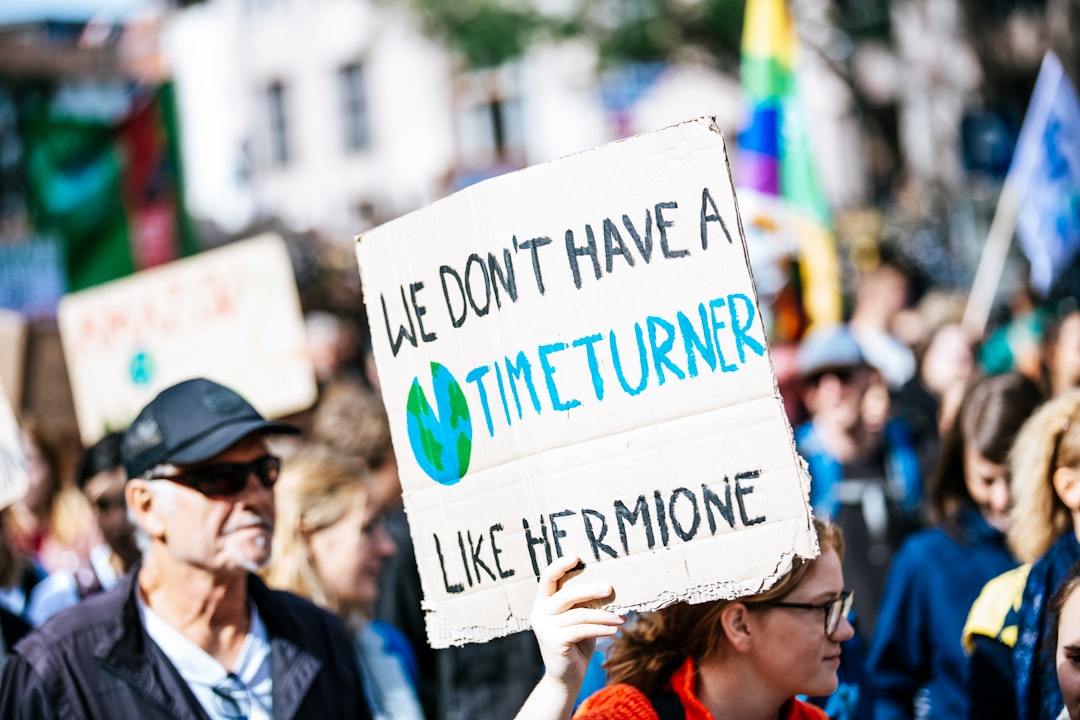
Photo by Markus Spiske on Unsplash
Last Tuesday, I booked a flight from Denver to Boston for my family of four. Simple enough, or so I thought. I selected our departure time, clicked through what felt like seventeen different screens, and paid $847 for four seats. When I checked my receipt later that evening, I nearly fell out of my chair. The airline had charged me an additional $312 for "premium seat selection" on seats that should have been included in my base fare.
I'm not alone in this experience. According to a 2024 analysis by the Aviation Consumer Alliance, airlines generated over $11.2 billion in ancillary fees last year, with seat selection representing roughly 23% of that total. That's $2.5 billion extracted from passengers through fees that most travelers assume are optional—until they discover they've already paid them.
The Deliberate Confusion Playbook
What bothers me most isn't that airlines charge for premium seats. It's that they've engineered their booking systems to be intentionally confusing. Here's what typically happens: you're booking a flight, moving through the reservation process, when suddenly a new screen appears asking if you'd like "enhanced seating options." The language is vague. The default is pre-selected. The button to skip it is tiny and gray, while the "Continue" button claiming your chosen seat is large and bright blue.
The sneaky part? Many passengers aren't even selecting premium seats. They're selecting the seats they want—their exit row preference or a window seat requested during booking—only to have the system classify that as a "premium selection" and charge accordingly. I called the airline to complain about my charge, and their response was infuriating: "The seat selection screen clearly showed the additional fee before you proceeded."
Technically, they're correct. But only if you actually read the fine print on a screen designed to be skimmed in thirty seconds while you're juggling work emails and trying to finish before your next meeting.
When Customer Service Becomes Gaslighting
After spending forty minutes on hold with customer service, I explained my situation. The representative—who sounded genuinely apologetic—told me that the charge was non-refundable. When I asked why the airline charged me for a seat I would have received anyway as part of my base fare, she repeated the same script three times: "The airline clearly disclosed the fees."
This is where the real complaint lies. It's not about airlines charging for anything and everything. It's about the coordinated effort to make these charges feel inevitable while obscuring them in a maze of confirmation screens and fine print. I've worked in tech for fifteen years. I understand dark patterns. I understand dark patterns. I recognize when software is designed to extract money rather than serve customers.
What's particularly galling is that most legacy airlines operate with identical playbooks. It's not competition driving innovation—it's collusion in how to obscure pricing. Spirit, Frontier, United, Delta, Southwest (relatively speaking). They've all adopted similar tactics. If one airline suddenly became transparent with pricing, passengers would flock to it, which suggests they know exactly what they're doing.
The Data Behind the Deception
I spent last weekend researching this phenomenon. What I found was disturbing. According to a complaint analysis by the U.S. Department of Transportation, seat selection disputes represent the third-highest category of airline complaints, behind only flight cancellations and luggage handling. In 2023 alone, there were 4,287 formal complaints filed specifically about seat-related fees—a 34% increase from 2022.
But here's the problem with that statistic: it only captures formal complaints. Most passengers don't bother filing complaints with the DOT. They're frustrated, they assume it's their fault, and they move on. The airlines are counting on exactly that reaction.
One passenger I spoke with, Marcus from Philadelphia, told me he'd paid $89 extra for a "preferred seat" on a domestic flight only to discover it was a middle seat. When he asked why the airline charged premium pricing for a middle seat, they explained that the seat had "slightly better legroom." Slightly. That word cost him eighty-nine dollars.
Related Reading: The Grocery Store Self-Checkout Trap: Why Stores Are Blaming You for Their Technology's Failures
What airlines are doing follows a pattern that's become disturbingly common across industries. Like grocery stores blaming customers for self-checkout failures, airlines are weaponizing complexity against customers and then claiming innocence. "We disclosed it." "You agreed to it." "It's clearly stated in our terms." This is how companies in 2024 extract money while maintaining plausible deniability.
What Actually Needs to Change
I'm not suggesting airlines shouldn't charge for premium seating. What I'm suggesting is transparency. Show me the total price upfront. Don't hide fees behind confusing interfaces. Don't pre-select charges that should be optional. Don't label a middle seat as "preferred" unless it actually is.
The Department of Transportation should require airlines to display all fees on a single screen before passengers can proceed with payment. Not scattered across seven different pages. Not buried in terms and conditions. Right there, visible, unavoidable.
Until that happens, assume every airline booking process is designed to extract extra money from you. Every screen is a potential trap. Every "default" selection is a revenue opportunity. These systems aren't broken. They're working exactly as intended.
Comments (0)
No comments yet. Be the first to share your thoughts!
Sign in to join the conversation.