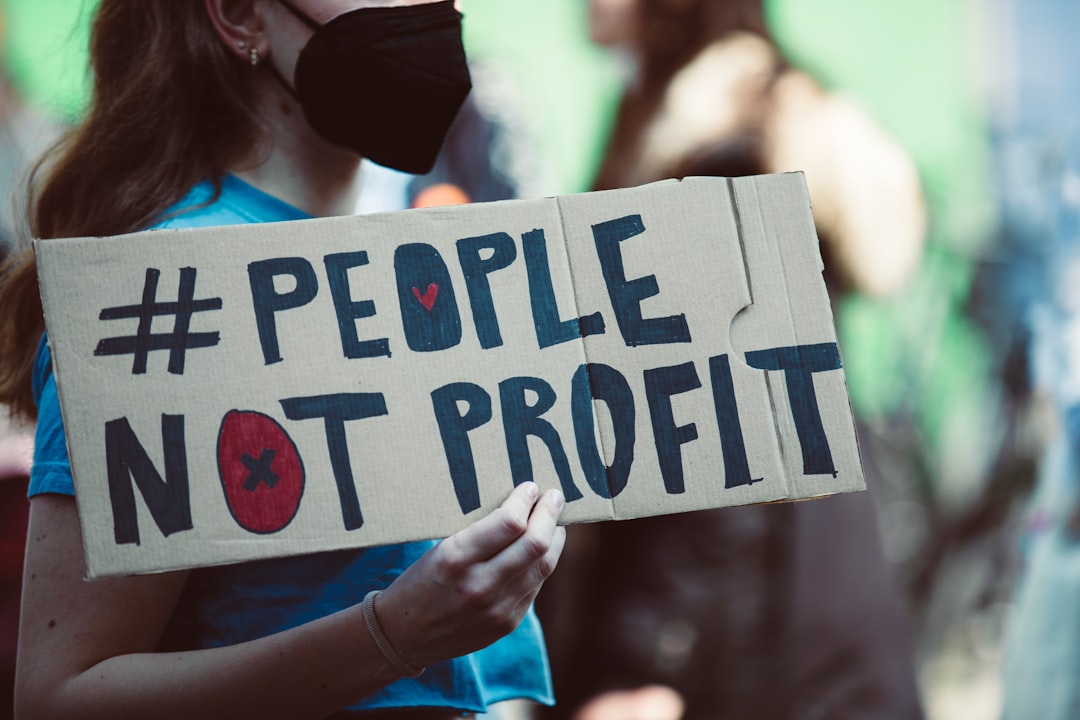
Photo by Markus Spiske on Unsplash
Last Tuesday, my mother-in-law lost access to Netflix. Not because she cancelled her subscription or forgot her password, but because she was watching from a different IP address than the account holder. The email she received was polite. Professional. Utterly infuriating. Welcome to the streaming wars of 2024, where the companies that built their empires on convenience are now weaponizing access like medieval gatekeepers.
The password-sharing crackdown didn't sneak up on anyone. Netflix warned us it was coming. They sent emails. They posted updates. They gave months of notice. And yet, millions of people—myself included—believed it wouldn't actually happen, or if it did, that they'd be exempt somehow. Spoiler alert: we weren't.
When "Extra Members" Means Paying Twice
Here's where Netflix's solution becomes spectacularly tone-deaf. Yes, they offer an "Extra Member" feature for people who want to share access. It costs between $7 and $8 per month, depending on your plan. That means if you have three adult children using your login from their own apartments, you're looking at an extra $21 to $24 monthly just to let them watch television.
Consider the math: A standard Netflix Premium plan costs $22.99 per month. Add two extra members at $7.99 each, and you've just hit $38.97. That's a 70% increase. For the same service you were getting six months ago. The company didn't spend billions on better content. The servers didn't suddenly require more electricity. Netflix simply decided that their user base was undervalued.
My colleague Sarah made the calculation and switched to a password manager shared between her apartment and her sister's place three states away. "They're making it so inconvenient that people will either pay up or switch services," she told me over coffee. "I'm switching services." She's not alone. Reddit forums and Twitter are filled with former Netflix subscribers citing the password sharing crackdown as their tipping point.
The Infrastructure Nightmare Nobody Talks About
What Netflix doesn't advertise is how aggressively their system flags accounts. Travel for work? Flagged. Visit your parents for two weeks? Flagged. Use a VPN for privacy? Definitely flagged. The company's detection system can't distinguish between someone traveling and someone deliberately sharing access, so it errs on the side of paranoia.
I experienced this firsthand during a business trip to Austin. I logged into Netflix in my hotel room and got a warning within an hour. My account is in Los Angeles. My login attempt came from Texas. Netflix's system, trained to assume the worst, immediately questioned my legitimacy. Never mind that I was the account holder. Never mind that my phone had location history proving I was actually in Austin. The system simply couldn't understand context.
The irony is sharp and painful: Netflix built its reputation on being the streaming service that worked everywhere, on every device, instantly. Now they've built walls. They've created friction. They've made their own product harder to use.
The Password Sharing Economy That Netflix Is Destroying
Before the crackdown, password sharing operated as a silent compromise between companies and consumers. Netflix knew it was happening. They had the data. They could see that millions of accounts were being accessed from dozens of different locations. They did nothing because those accounts were still watching content, still generating engagement metrics, still exposing people to ads (on lower tiers).
Some analysts estimated that Netflix was losing around $6 billion annually to password sharing. That number gets thrown around a lot, but let's examine it. Who exactly was losing money? Nobody was pirating. Nobody was accessing content illegally. Accounts were being paid for. The only "lost" revenue was theoretical—money Netflix *might* make if they forced people to pay for separate subscriptions.
This is where the complaint becomes really valid. Netflix isn't solving a piracy problem or stopping theft. They're eliminating a feature that millions of people relied on, features that contributed to Netflix's dominance in the first place. Back in 2015, Netflix's VP of Product explicitly stated that password sharing was fine. "Sharing is better than churn," they said. Eight years later, they changed their mind because the cost of servers and content creators had skyrocketed.
Where People Are Actually Going
The exodus is real. Disney+, Prime Video, Hulu—all of them are becoming increasingly attractive as people recalculate their streaming budgets. Some households are abandoning streaming altogether and returning to theatrical releases, classic DVDs, and library systems. Others are pooling money for multiple services instead of one shared Netflix account.
What Netflix failed to understand is that they created the password-sharing culture. They made Netflix sharing feel natural, expected, inevitable. College students stream Netflix on their dorm room Wi-Fi while their parents watch from home. Families maintain access when adult children move out. Grandparents in nursing homes use their kids' logins. This isn't a bug in the system—it was the feature that made Netflix indispensable.
You might also be interested in reading about how companies systematically remove features from subscription services, a pattern that Netflix is now contributing to.
The Real Cost of Convenience Gone Wrong
The Netflix password-sharing crackdown represents something bigger than one company's revenue strategy. It represents a shift in how these companies view their relationship with us. We're no longer customers building loyalty. We're resource pools to be maximized, squeezed, and monetized from every possible angle.
Every email from Netflix about account security or unauthorized access is a reminder that they've chosen short-term revenue over long-term goodwill. They've traded the convenience that made them dominant for incremental monthly gains.
My mother-in-law eventually got her own Netflix account. She pays $6.99 a month for the Basic plan because that's all she needed. The company gained $6.99 monthly and lost a loyal customer who might have upgraded later, who might have recommended the service to friends, who might have stayed subscribed for another fifteen years. Instead, Netflix gets a few months of revenue and the justified resentment of millions of users who remember when the company stood for freedom and access.
That's not victory. That's just slower decline wearing a quarterly earnings report.
Comments (0)
No comments yet. Be the first to share your thoughts!
Sign in to join the conversation.