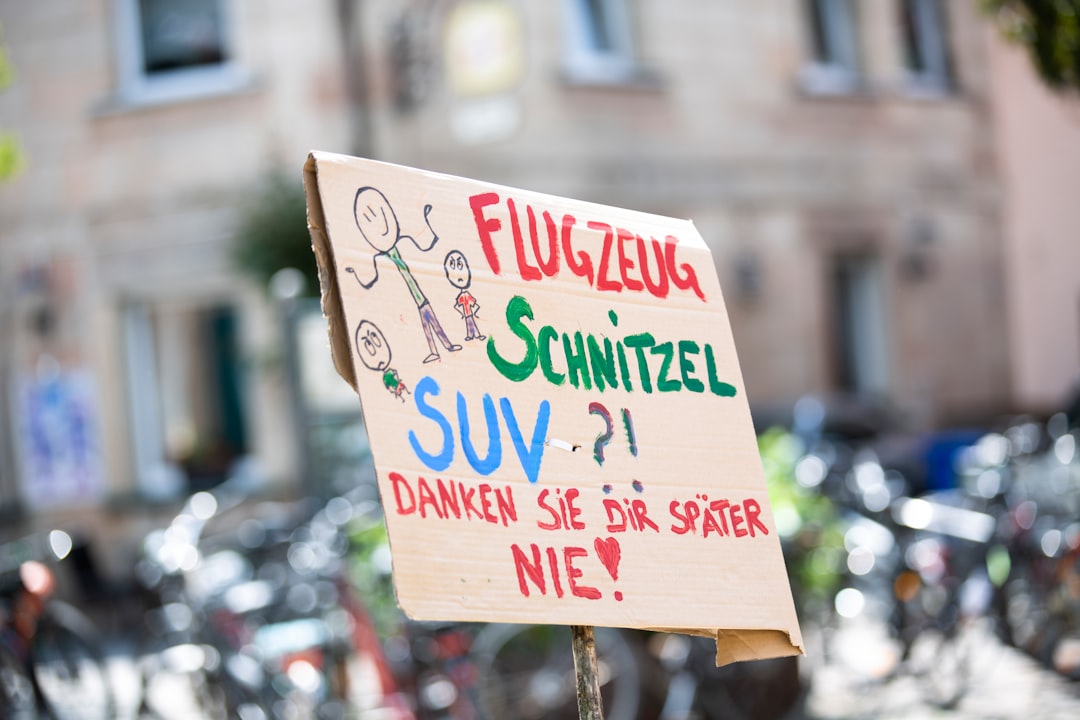
Photo by Markus Spiske on Unsplash
Last summer, my wife and I booked a cross-country flight with our two kids. The base fare seemed reasonable—$289 per person. We felt good about the deal until we got to seat selection. The system showed our family split across three different rows. To sit together? That would be $25 per person for "preferred seating." For a family of four, that meant an extra $100 on top of our already-paid tickets just to avoid sitting separately with our children.
This isn't an isolated incident. This is systematic. This is intentional. And frankly, it's one of the most brazen examples of hidden pricing in modern commerce.
How Airlines Weaponized the Seating Chart
The seat selection fee didn't exist fifteen years ago. Back then, you'd check in, get assigned a seat—sometimes randomly, sometimes strategically—and that was that. Airlines accepted this as part of the service. But somewhere around 2010, the industry realized something: families don't have a choice. Parents will pay whatever it takes to sit with their kids on an airplane.
United Airlines was one of the first major carriers to systematically charge for basic seat selection. They began offering "Economy Plus" seating with extra legroom for $15-$50 depending on the route. Reasonable enough, perhaps. But then they got creative. They started blocking regular economy seats from being selected at check-in unless you paid. Suddenly, the choice wasn't "Would you like extra legroom?" It was "Would you like to be separated from your family for free or together for $25?"
The other carriers followed immediately. Southwest remained the holdout, which is precisely why their brand loyalty is practically cultish—but even Southwest has experimented with early boarding fees and premium seat selection on specific routes.
The Math That Makes You Angry
Here's what really gets me: an airline can operate a flight with passengers distributed any which way. The cost to the airline is identical whether I'm in 12A or 23F. The fuel burns the same. The crew still gets paid. The maintenance schedule doesn't change. The only difference is what I see on my boarding pass.
Yet somehow, sitting next to my wife costs extra.
If you're flying a family of five from New York to Los Angeles—about 5 hours in the air—and you want to sit as a group, you're looking at roughly $100-$150 in seat fees. That's on top of fares that have already been stripped to the bone with baggage fees, carry-on fees for overhead bins, seat back pocket fees (I'm joking about that one... mostly), and drink minimums.
According to data from the Bureau of Transportation Statistics, U.S. airlines collected approximately $2.8 billion in ancillary fees in 2022. Seat selection fees made up roughly 15-20% of that total. That's between $400-$560 million annually just from charging people to sit next to their traveling companions.
The Psychological Trap
What makes this particularly insidious is the trap airlines have set for themselves—and us. They've engineered a system where they need ancillary fees to hit their profit margins. The base fares are so aggressively discounted (thanks to online comparison shopping and the race to the bottom) that airlines can't survive on ticket prices alone. So they've created this elaborate fee structure.
But here's the thing: they've built this house of cards on our desperation. A business traveler might skip the seat fee. A couple flying to Vegas might tolerate being separated. But a parent with kids? We'll pay. We know the airline knows we'll pay. They know we know. It's this awful mutual understanding that makes the whole thing feel dirty.
This is also why the fees keep creeping up. Ten years ago, seat selection fees topped out around $10. Now $15-$25 is standard, with premium seats going up to $50 or $75. There's no technical reason for this increase. It's pure pricing optimization—charging whatever they've calculated families will bear without actually switching to a competitor.
Why This Particularly Sucks for Regular People
If you're flying once every few years, maybe this doesn't register as a big deal. An extra $30-$50 on a vacation trip might sting but feels manageable. But for families that fly regularly—whether for visiting grandparents, relocating for jobs, or other circumstances—these fees compound into something genuinely significant.
A family of four flying twice a year and paying $100 in seat fees each time is looking at $400 annually just to sit together. Over a decade, that's $4,000. That's a real chunk of money for most households, yet it's completely invisible because it's scattered across multiple transactions and trips.
And the cruelest part? This disproportionately affects the families that can least afford it. Wealthy business travelers might not care—they're not paying out of pocket anyway. Families on tight budgets, though? They have to choose between sitting together or buying groceries that week.
The Case for Actually Fixing This
I'm not naïve enough to think airlines will suddenly embrace kindness. But there's a reasonable middle ground that some countries have explored. In the European Union, there's a growing movement to classify basic seat assignment as a core service that airlines must provide without charge. The UK has been pushing similar regulations.
The argument is simple: if I've paid for a seat on your plane, I shouldn't have to pay again for the specific location of that seat—especially when you've deliberately blocked the default assignment to force me into a payment decision.
Would airlines hate this? Absolutely. It would cost them hundreds of millions annually. But it would also force them to be more honest about their pricing, which frankly might be healthy for everyone. Maybe fares would go up $15-$20 across the board. At least then families would know the actual cost upfront instead of getting ambushed at the payment screen.
For related insight into how companies use ancillary fees as a hidden pricing strategy, check out The Rental Car Ambush: Why You're Paying Triple at the Counter for Fees Nobody Explained—the playbook is disturbingly similar.
The airline seat selection fee represents something larger about modern commerce: the normalization of nickel-and-diming customers. It's the death by a thousand cuts approach to pricing, where companies have discovered that they can extract significantly more money by hiding charges behind payment screens and psychological pressure points instead of just charging what the service actually costs.
Until there's regulatory pressure or genuine competition on this front, families will keep paying. And airlines will keep raising the fees. Because they can. And we'll keep paying. Because we're sitting with our kids.
Comments (0)
No comments yet. Be the first to share your thoughts!
Sign in to join the conversation.