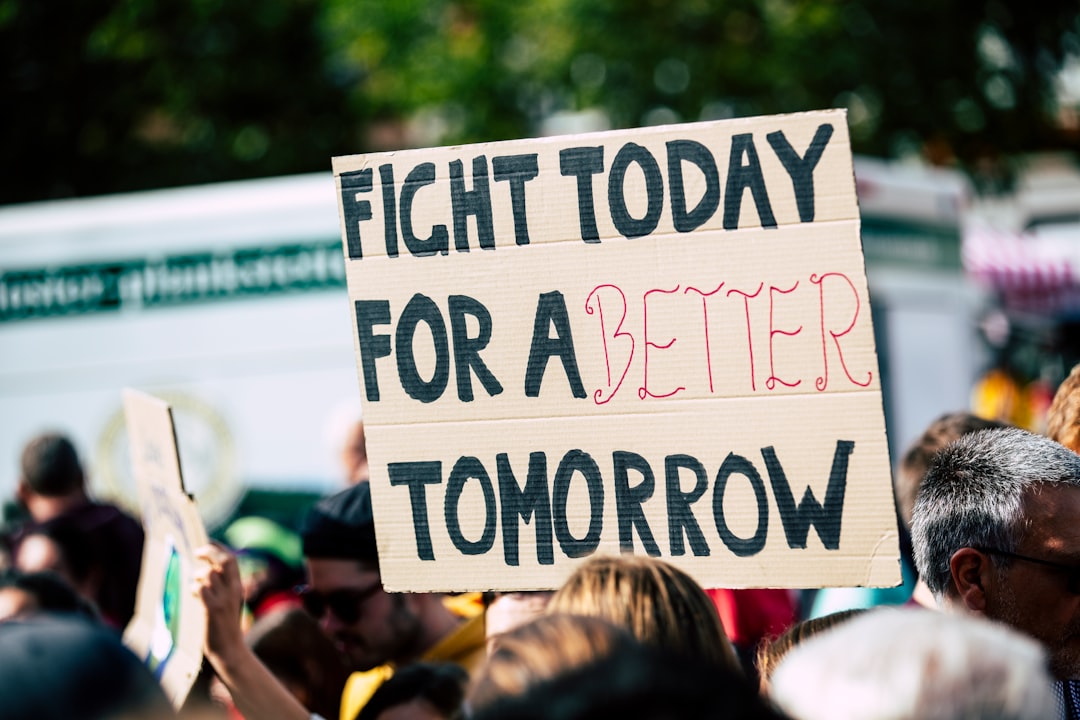
Photo by Markus Spiske on Unsplash
Last month, I booked a flight from Denver to Boston on a budget carrier I'll call "Big Blue Budget Airlines." The ticket price looked reasonable—$89. I felt smug about my deal until I reached the seat selection screen and encountered what can only be described as digital coercion.
Here's what happened: I was presented with a map of the aircraft showing dozens of seats in various colors. Green seats cost an extra $29. Orange seats? $34. Purple seats, inexplicably, were $39. The remaining seats—mostly the middle ones in the back near the lavatories—showed no price, so I assumed they were included with my ticket. Wrong. When I clicked on one, a popup appeared: "This seat requires Standard Seat Selection for $19.99."
I wasn't alone in this frustration. According to a 2023 report from the U.S. Government Accountability Office, ancillary fees like seat selection generated approximately $30 billion in revenue for airlines in 2022. That's not spare change. That's systematic wealth extraction dressed up as "optional upgrades."
The Psychology of the Hostage Seat
Budget airlines have weaponized choice architecture in ways that would make behavioral economists weep. By presenting basic seating selection as a premium feature, they've transformed what used to be included in every ticket into a luxury good.
Think about the mechanics. You're already committed to the flight. You've already paid. You're sitting at your computer, exhausted from comparing prices, ready to book. Now, suddenly, you're told that unless you pay more, you'll be separated from your traveling companion or stuck in the very back row where you can count every turbulent bounce.
The industry calls this "unbundling." Passengers call it something else.
What makes this strategy particularly frustrating is that it's predicated on manufactured scarcity. Airlines claim certain seats are "premium" because they have slightly more legroom or are closer to the front. A standard economy seat eight rows from the exit somehow justifies a $25 upcharge. The difference? Three inches of legroom you probably won't notice and the proximity to oxygen masks that, statistically, you'll never need.
The Hidden Cost of "Free" Budget Fares
Budget airlines have mastered the art of the misleading price. When you see "Flights from $49!" splashed across their homepage, that's not your actual cost. That's a theoretical price for the least desirable seat on the least desirable flight at the least desirable time.
Last spring, I decided to test this. I looked up a roundtrip flight from Los Angeles to Las Vegas on a major budget carrier. The advertised price was $98. Here's what I actually paid:
Base fare: $49. Seat selection (window seat, nothing special): $24. Checked baggage: $35. Carry-on baggage (yes, really): $15. "Speedy Boarding" to avoid long queues: $12. Return flight seat selection: $24. Return flight checked baggage: $35. Total: $194.
The advertised fare nearly doubled before I even factored in parking at the airport or a coffee at the gate.
This practice—advertising prices that don't represent actual cost—isn't new, but it's become normalized to a disturbing degree. Other industries would face immediate criticism. Imagine a car rental company advertising "cars from $15 a day" knowing full well that insurance, fees, and mandatory upgrades would bring the actual price to $60. Imagine a hotel booking "rooms from $79" when they actually cost $140 after resort fees and parking charges. Yet airlines do this constantly, and somehow it's considered business as usual.
When Basic Service Became a Luxury
The most insidious part of the seat selection racket is how it reframes basic service as premium. Sitting with your family on a four-hour flight is now a luxury. Choosing your seat rather than being randomly assigned one is now a privilege you must pay for.
I recently spoke with a travel agent named Maria who shared a story that perfectly encapsulates this absurdity. A elderly couple booked a flight on a budget airline to visit their grandchildren. They'd been married for 52 years and, quite reasonably, wanted to sit together. The airline informed them that unless they paid $60 extra (on top of a $130 total fare), they'd be separated. They paid.
This isn't an isolated incident. Airlines regularly separate families unless families pay extra fees. It's a customer service nightmare disguised as a revenue model.
What frustrates travelers most isn't the fees themselves—it's the deception. Much like subscription services that count on you forgetting about recurring charges, airlines are betting that passengers will focus on the headline price and ignore the fine print until they're deep in the booking process and too committed to turn back.
The Regulatory Void
You might expect that regulators would step in to prevent these practices. After all, the Federal Trade Commission has rules against deceptive advertising. But airlines have found loopholes through technical compliance—they do technically disclose fees, usually buried several pages deep in terms and conditions.
The Department of Transportation implemented new rules in 2024 requiring airlines to display all-in pricing in advertisements. That's progress. But seat selection fees still aren't always immediately visible, and airlines have gotten creative about burying charges in fine print.
Some airlines now use AI-powered dynamic pricing for seat selection. The price of your middle seat changes based on demand, how close you are to departure, and presumably some algorithmic determination of how desperate you look. It's pricing optimization designed to extract maximum value from each individual passenger.
What Actually Happens If You Don't Pay
Here's something airlines don't advertise: if you refuse to pay for seat selection, you'll be assigned a seat at the gate. Usually, this works fine. Sometimes, though, airlines deliberately assign middle seats to passengers who haven't paid, almost as punishment for not participating in their fee structure.
One passenger named Derek documented this on Twitter, showing how his paid seat selection ($24) got him a window seat, while his wife, who refused to pay, was assigned the middle seat right next to him. The airline had plenty of aisle seats available but specifically chose the worst available option for her.
Is this illegal? Probably not. Is it ethically questionable? Absolutely.
The Path Forward
Change will likely come from one of three directions: regulatory action, passenger rebellion, or traditional carriers undercutting budget airlines by including seat selection. None of these seem imminent.
In the meantime, passengers have limited options. Some airlines (looking at you, Southwest) still include seat selection. Legacy carriers like United and Delta charge for premium seats but don't charge for basic selection. And budget airlines? They'll keep charging because they can.
The seat selection scam works because flying has become a commodity. Airlines compete almost exclusively on price, so they've gotten creative about how they define "price." When your headline fare is $49, you'll spend whatever it takes to make the flight actually viable, and the airline gets to claim victory on the advertised price while pocketing 200% more in ancillary fees.
It's not illegal. It's not even unusual anymore. But it is fundamentally dishonest, and no amount of regulatory compliance changes that basic fact.
Comments (0)
No comments yet. Be the first to share your thoughts!
Sign in to join the conversation.