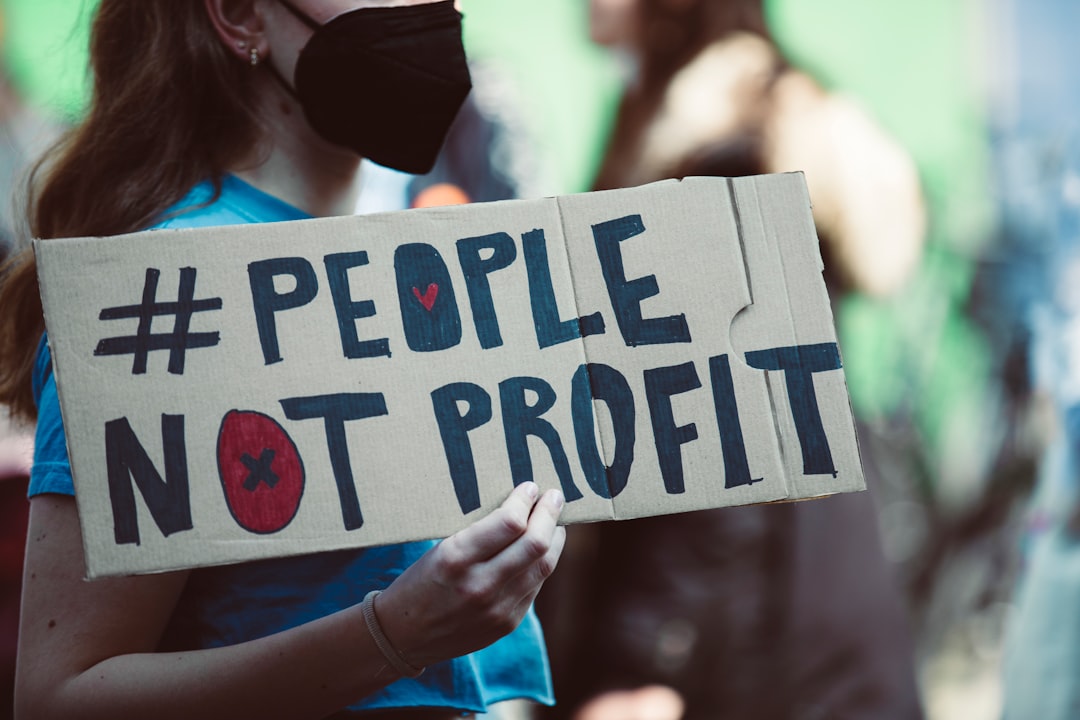
Photo by Markus Spiske on Unsplash
Last month, I booked a flight from Denver to Boston. The base ticket was $287—reasonable enough. But when I went to select my seat, I was immediately confronted with a premium pricing scheme that made me feel like I was shopping at an upscale restaurant instead of buying a commodity service. A standard seat in the middle of the cabin? That would be an additional $18. An exit row seat with actual legroom? Try $45. A window seat that wasn't in the very back? Knock $25 off my wallet.
I'm not alone in finding this infuriating. The average airline passenger now pays between $15 and $80 just to choose where they sit on a plane they've already paid for. This isn't a new phenomenon, but it's become so normalized that we've stopped questioning the absurdity of it.
How Airlines Turned Seat Selection Into a Hidden Tax
The practice started innocuously enough. Back in 2007, Spirit Airlines introduced the concept of charging for seat selection as a way to encourage passengers to book online and reduce administrative costs. It seemed reasonable at the time—a small fee for convenience.
Now? United, American, Delta, Southwest, and virtually every major carrier has adopted this practice. According to a 2023 analysis by the MIT International Center for Air Transportation, airlines collected an estimated $2.8 billion in ancillary fees from seat selection alone in 2022. That's not a rounding error. That's a substantial portion of airline profit built entirely on seats that already belong to the plane.
Here's what really gets me: the fees are completely arbitrary. Two identical seats on the same flight can cost dramatically different amounts depending on proximity to the front, whether they're exit rows, or how close you book. There's no logical reason a window seat in row 14 costs more than a window seat in row 16, yet this happens constantly.
The worst part? You don't know the true cost of your ticket until you're actually ready to buy it. Try searching for flights online. The advertised price doesn't include seat selection. It doesn't include baggage fees. It doesn't include change fees. These charges are added later, at the moment you're most committed to the purchase and least likely to shop around.
The Ripple Effect on Families and Budget Travelers
If you're traveling alone, a $25 seat selection fee is annoying but survivable. If you're traveling with a family of four, suddenly you're looking at mandatory charges of $60 to $120 just to sit together. Many airlines won't even allow families with young children to sit in the same row unless they pay premium prices.
I watched a mother of two at my airport gate literally crying because she couldn't afford to sit next to her kids on her flight home from a funeral. The airline offered to "help her" by putting her in a middle seat for the low, low price of an additional $35. She took it. She had no choice.
Budget travelers are caught in an impossible bind. You save money by flying with a discount carrier or booking economy fares, but then you're immediately penalized for wanting basic human dignity on the flight. Studies show that passengers who pay to select seats report significantly higher satisfaction with their flights—not because the seat is objectively better, but because they feel less victimized by the process.
The fee structure creates a perverse system where airlines profit from passenger discomfort. They've essentially turned the airplane cabin into a tiered experience where the difference between seat quality and price has nothing to do with actual supply and demand and everything to do with psychological manipulation.
What Airlines Won't Admit About These Fees
Airlines will tell you that seat selection fees are "optional." Technically, they're right. You can always accept whatever seat the system assigns you. But in practice, this means sitting in the middle seat in the back of the plane, potentially next to the bathroom, with minimal legroom and no guarantee you'll be near your travel companions.
For a 6-hour cross-country flight, that's not optional. That's torture with a price tag attached.
The real scandal is that airlines are double-dipping. They've already calculated the exact cost of fuel, maintenance, crew, and aircraft depreciation into your base ticket price. The additional seat selection fee is pure profit—a completely discretionary charge that has nothing to do with providing the service you've already paid for.
Meanwhile, legacy carriers like United and American argue that they need these fees to remain competitive with budget carriers. But here's the thing: budget carriers invented these fees in the first place. We've created a race to the bottom where the baseline expectation is now that nothing about your flight experience is included in the advertised price.
If you're experiencing frustration with travel costs beyond seat selection, you might also want to read about The Furniture Store Delivery Scam: Why Your Couch Arrives Three Months Late (If At All), which explores similar hidden fees and deceptive pricing practices across industries.
The Path Forward (That Airlines Will Never Voluntarily Take)
Other industries have figured this out. When you buy a movie ticket, you know the actual cost. When you buy a concert ticket, there might be a service fee, but it's transparent from the start. When you book a hotel, the advertised price is the price you pay (ignoring resort fees, which are a separate complaint entirely).
Airlines could do the same thing. They could advertise the true all-in cost of your flight, seat included. But they won't, because the current system is working perfectly for their bottom line. They get to advertise artificially low base fares while capturing an extra $30-$50 per passenger in ancillary fees.
Regulation could fix this. The U.S. Department of Transportation has the authority to require airlines to include seat selection in advertised fares or to cap how much they can charge. But as long as the practice remains legal and profitable, don't expect airlines to voluntarily give up billions in revenue.
Until then, we're stuck in a system where the simple act of choosing where you sit has become a luxury good. And the airlines are laughing all the way to the bank.
Comments (0)
No comments yet. Be the first to share your thoughts!
Sign in to join the conversation.