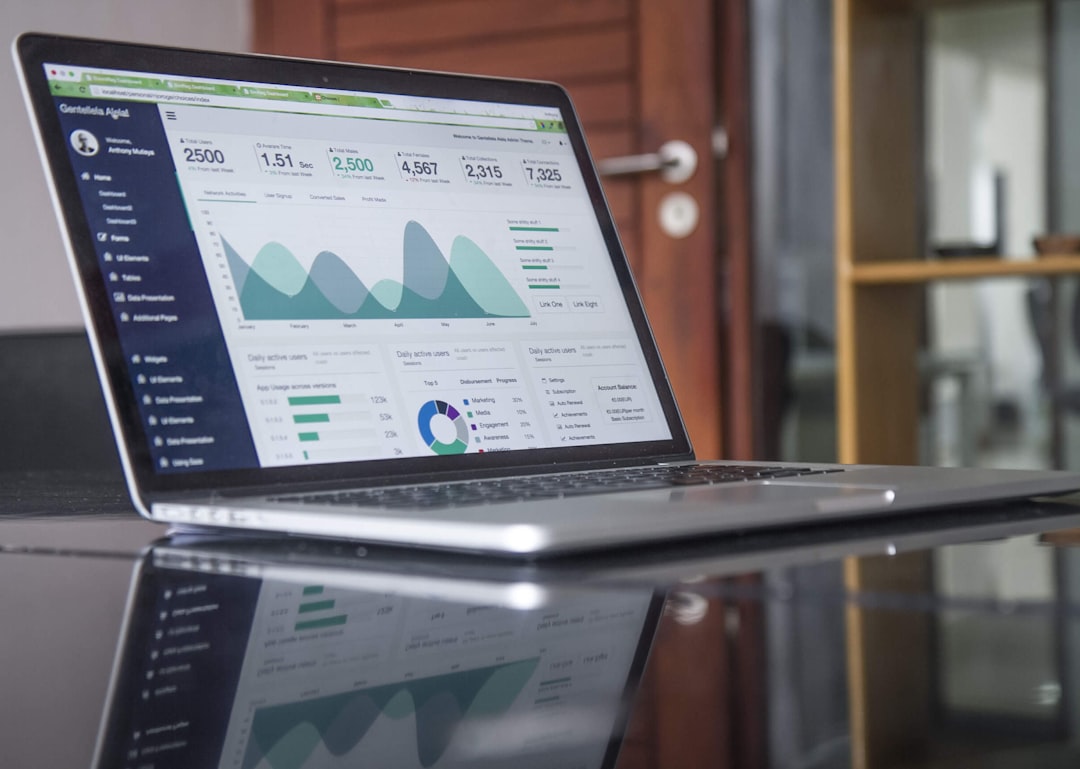
Photo by Carlos Muza on Unsplash
Last Tuesday, I watched a founder spend forty minutes explaining her SaaS product to a prospective customer. The demo was flawless. The features were genuinely impressive. The customer nodded along, asked thoughtful questions, seemed genuinely interested. Then came the fatal moment: "So what does this cost?"
The founder pulled up a pricing page that looked like it was designed by committee during a budget meeting. Three tiers. Vague descriptions. A "Contact us for enterprise" option that might as well have said "Give up hope now." The customer's face changed. Not because the price was too high—but because they suddenly realized they had no idea what they were actually paying for.
That customer never signed up. Neither do most people who encounter pricing structures like this one.
The Transparency Crisis Nobody's Talking About
Pricing transparency isn't just a nice-to-have feature anymore. It's become a competitive moat. Yet most companies treat their pricing like a state secret, hiding it behind login walls, contact forms, and deliberately obscure language.
According to research from Capterra, 54% of buyers abandon their purchase if they can't find transparent pricing information easily. That's not a small number. That's an existential threat to your revenue.
Here's what makes this especially maddening: companies know this. They've read the studies. They understand the data. But they keep doing it anyway, usually for one of three terrible reasons.
First, they believe hidden pricing creates scarcity and urgency. "If customers don't know the price, they'll have to contact us, and then we can upsell them!" Spoiler alert: they won't contact you. They'll contact your competitor.
Second, they're scared of being undercut. "If we publish our prices, everyone will know we're expensive." The problem with this logic? Your prospects are already assuming you're expensive. At least with transparent pricing, you can explain why you're worth it. Transparency paired with clear value communication actually increases conversions, not decreases them.
Third—and this one's my personal favorite—they genuinely don't know what they're charging. I've consulted with companies with eight different pricing tiers across different regions, customer types, and contract lengths. Nobody could tell me what a mid-market customer actually paid. That's not a pricing strategy. That's chaos.
What Transparent Pricing Actually Looks Like
Let me tell you about a company that gets this right: Notion. Their pricing page is a masterclass in clarity. You see the plans immediately. You see exactly what features are included in each tier. You can see the annual savings compared to monthly billing. Within thirty seconds, you know whether Notion is affordable for you or not.
Does Notion lose some sales because of this transparency? Possibly. Does it gain more? Absolutely. Because people can self-select. Small teams know they should get the Personal plan. Enterprises know they need to reach out about custom pricing. This filtering mechanism saves everyone time and money.
Slack does something similar. Their pricing is simple, visible, and tied directly to concrete features: "Unlimited messages with Standard. Full message archive with Pro." You're not trying to decode value propositions. You're just comparing features and making a choice.
Contrast that with most enterprise software, where pricing pages read like ransom notes: "Custom pricing based on user count, API calls, storage, and seats. Contact our sales team for a quote that we'll deliver three weeks from now." By then, your prospect has either given up or chosen someone with faster, clearer pricing.
Transparent pricing doesn't mean cheap pricing. It just means honest pricing. And honest pricing—especially when paired with clear communication about value—actually increases customer confidence and reduces buyer's remorse.
The Ripple Effects of Hidden Pricing
When you hide your pricing, you don't just lose potential customers. You damage your entire business in subtler ways.
Your sales team becomes less efficient. Instead of focusing on solving problems, they spend time in pricing negotiations and custom quote cycles. That's not selling. That's negotiation theater.
Your customer success team inherits a mess. They're onboarding customers who feel like they overpaid because they never understood what they were paying for in the first place. These customers are angrier, churn faster, and spend more time in your support queue questioning your pricing.
Your brand suffers. You stop being "the company with an amazing product" and start being "the company that's sketchy about pricing." That's not fair, necessarily. But that's what happens when you make it hard for people to find answers.
And here's the kicker: hidden pricing combines with other hidden costs to create a compounding revenue problem. You lose more customers for more reasons, faster, and it all feeds back into a cycle where you feel even more compelled to hide information.
How to Build a Pricing Strategy Customers Actually Understand
Start by accepting a hard truth: your pricing won't work for everyone. That's not a bug. That's a feature. The goal isn't to have everyone afford you. The goal is to have the right people afford you.
Second, separate your pricing from your pricing page. Your pricing page should be simple and easy to scan in under a minute. Your pricing strategy—the thinking behind why you chose those numbers—should be documented internally and reflected in your sales conversations.
Third, use your pricing as a communication tool, not an obstacle course. Every tier should clearly answer: "What do I get that I don't get in the tier below?" Every feature should clearly connect to a specific customer problem it solves. Every price point should feel intentional and fair.
Fourth, measure what matters. Track how many people visit your pricing page. Track how many people complete the information architecture by comparing tiers. Track how many people move from pricing to signup. If any of those numbers are low, your pricing communication is failing—and it's costing you revenue.
The Bottom Line
Transparent pricing isn't just ethically sound. It's better for business. Customers who know what they're paying before they buy are happier, less likely to churn, and more likely to recommend you to others.
So take a hard look at your pricing page right now. Can you understand your own pricing in less than a minute? If not, your customers can't either. And that's money you're leaving on the table, one hidden price at a time.
Comments (0)
No comments yet. Be the first to share your thoughts!
Sign in to join the conversation.